Alibaba Cloud Revenue Surges 34 Percent as AI Demand Fuels Growth
Alibaba Group reports a roughly 34 percent year on year increase in cloud computing revenue, attributing the jump largely to demand for AI infrastructure and services, even as overall net profit falls amid fierce price competition in e commerce. The company says it will double down on heavy investment in cloud and AI infrastructure, a shift that could reshape enterprise technology in China and beyond.
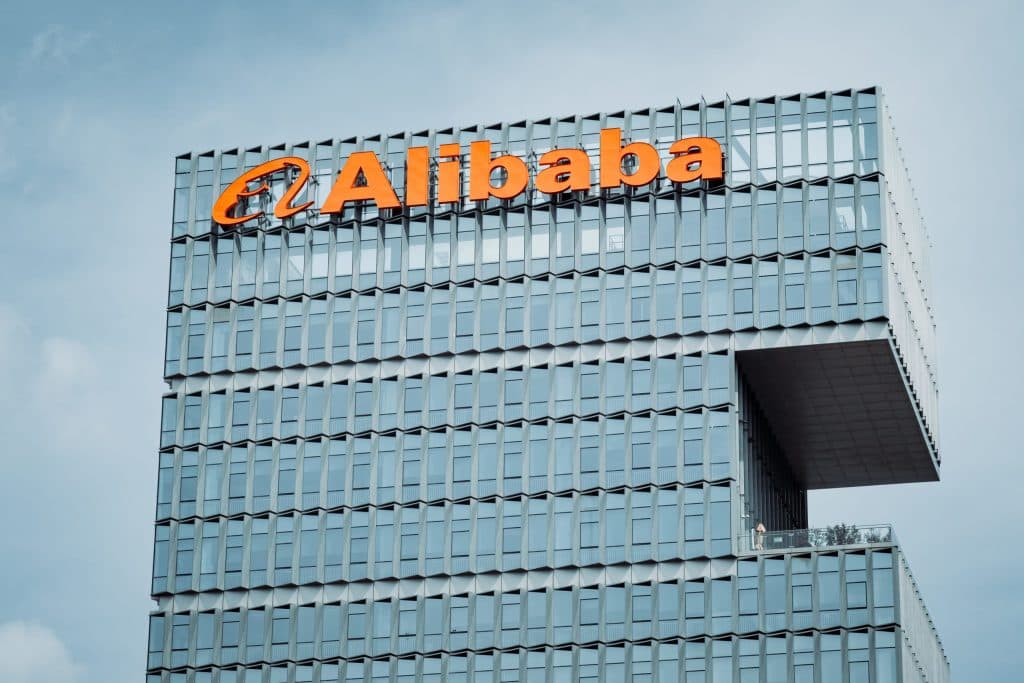
Alibaba Group said today that its cloud computing revenue rose about 34 percent year on year, driven largely by strong demand for artificial intelligence infrastructure and services. The gain comes as the company contends with shrinking profitability in its core e commerce business, where heavy price competition has weighed on margins and contributed to a decline in net profit.
The cloud segment has emerged as a bright spot for Alibaba, reflecting a broader industry pivot toward AI driven enterprise services. Alibaba highlighted rapid uptake of its AI offerings and signaled continued heavy investment in data centers, chips and cloud platforms designed to support generative AI workloads. The company added that it will keep prioritizing infrastructure spending to capture what executives see as long term demand from businesses seeking to deploy large language models and other AI applications.
In a technology roundup, The Associated Press noted that Alibaba’s upgraded AI chatbot recorded strong early download numbers, evidence of accelerating interest among consumers and corporate users in local AI alternatives. The AP coverage also pointed to similar moves by other firms that are repositioning their cloud businesses around AI services, underscoring a fast evolving market where providers compete on performance, price and compatibility with the latest models.
The juxtaposition of robust cloud growth and weaker e commerce results highlights a strategic inflection for Alibaba. E commerce continues to account for a substantial portion of the company’s revenue, but aggressive discounting and promotional tactics across the retail sector have compressed profit margins. Those dynamics help explain why Alibaba is reallocating resources and attention to cloud computing, where the potential for higher long term returns and deeper enterprise relationships is greater.

Investors and industry watchers will be watching whether Alibaba’s heavy investments produce sustainable advantages. Building and operating AI grade infrastructure demands substantial capital outlays and energy consumption, and returns may lag while the company scales customer adoption and optimizes efficiency. At the same time, early success with AI chat tools and cloud services could cement Alibaba’s role as a major supplier of China oriented AI platforms and reduce reliance on retail profits.
The shift also has wider implications for competition and innovation. As Chinese cloud providers expand AI capacity, enterprises across sectors from finance to manufacturing may accelerate AI adoption, potentially boosting productivity but also raising questions about data governance, model safety and environmental costs. For Alibaba, the immediate calculus is clear. Growth in AI fueled cloud revenue offers a pathway to recapture momentum, even as short term profit metrics reflect ongoing pressures in its legacy businesses.
This article was produced by Prism’s automated news system from verified source data, official records, and press releases, then run through automated quality and moderation checks before publishing. The system is built and supervised by the people who set the standards it runs under. Read our full AI policy.
Did this article answer your question?

