All 18 U.S. passengers from hantavirus cruise ship return home
All 18 Americans exposed on the MV Hondius are home after a 42-day hantavirus watch that turned up no U.S. cases.
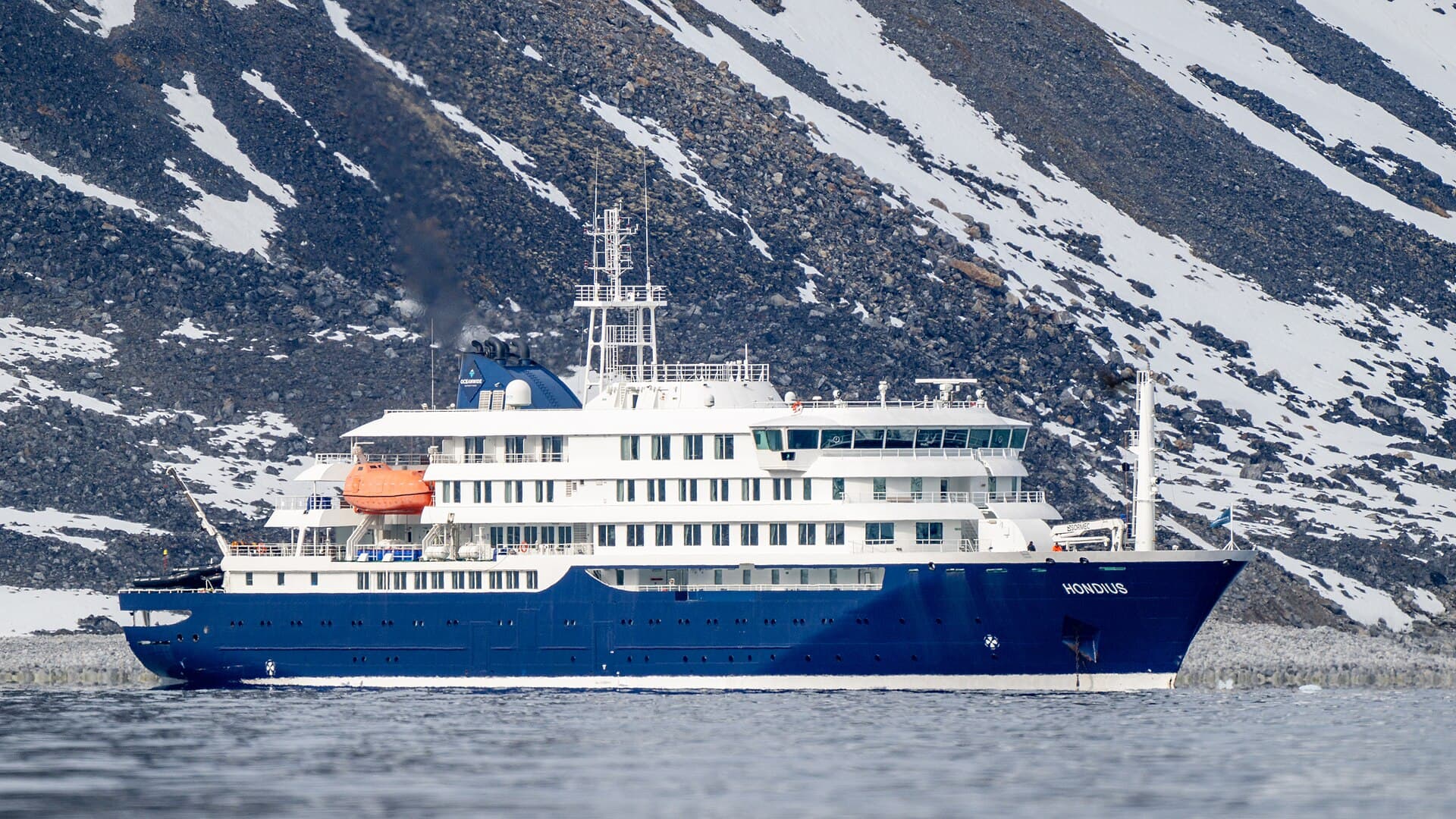
The last U.S. passengers exposed to Andes virus aboard the MV Hondius have gone home, ending a closely watched quarantine and monitoring operation at the University of Nebraska Medical Center’s National Quarantine Unit. Sixteen passengers arrived in Omaha on May 11 and two more on May 15, and health officials kept all 18 under observation until they were cleared to continue monitoring at home. CDC said no hantavirus disease cases were detected in the United States as a result of the outbreak.
Hantavirus is uncommon, but the strain involved in this episode, Andes virus, can cause hantavirus pulmonary syndrome, a severe and potentially deadly lung disease that affects the lungs. CDC says Andes virus is the only hantavirus known to spread person to person, and that transmission is relatively rare and usually tied to prolonged close contact, with no documented evidence of presymptomatic spread. That is why public health officials treated the cruise-ship exposure as a serious monitoring event even as they reassured the broader public that the overall risk remained low.

The response began after the cruise ship reported the outbreak on May 2, 2026. CDC sent a team to meet the vessel in the Canary Islands, Spain, on May 7 after travel from Cape Verde, then coordinated with federal, state, local and international partners to repatriate the exposed Americans to Nebraska. The World Health Organization has said high-risk contacts should be monitored for 42 days after exposure, and CDC asked the U.S. passengers to remain at the National Quarantine Unit through May 31. UNMC and Nebraska Medicine then released the passengers in waves, with some returning home on June 2, June 9 and June 18 before the final group completed the monitoring period.
For people who may have been exposed, CDC says the symptoms to watch for during that 42-day window include fever, muscle aches, chills, nausea, vomiting, diarrhea, abdominal pain, cough, shortness of breath, chest pain and difficulty breathing. In this case, the passengers stayed symptom-free through monitoring, and the U.S. public-health system held the line: identify the exposure, isolate the risk and keep watch long enough to see whether illness appears. The result was no domestic outbreak, only a rare travel-linked scare that ended without a U.S. hantavirus case.
This article was produced by Prism’s automated news system from verified source data, official records, and press releases, then run through automated quality and moderation checks before publishing. The system is built and supervised by the people who set the standards it runs under. Read our full AI policy.
Did this article answer your question?