Allen and Wu play Crucible's longest frame in World Championship semi-final
A 100-minute frame at the Crucible split the sport: proof of nerve to some, an embarrassment to others. Wu Yize’s win levelled a semi-final at 7-7.

The longest frame ever played at the Crucible turned the World Championship semi-final between Mark Allen and Wu Yize into a debate about snooker itself. For some, the 100 minutes and 19 seconds felt like survival under impossible pressure; for others, it was a warning that the sport’s rules and formats are no longer equipped for elite play at its most extreme.
The controversy came after a 55-minute spell without a ball being potted, with eight reds jammed around the black and the black blocking a top corner pocket. Allen eventually knocked in the black, but Wu won the frame anyway and levelled the match at 7-7, leaving the contest poised after a session that had already swung hard in Allen’s favour. Allen had fought back from 6-2 down to lead 7-2, and he also compiled the highest break at this year’s Crucible, a 145 that underlined his scoring power before the match descended into deadlock.
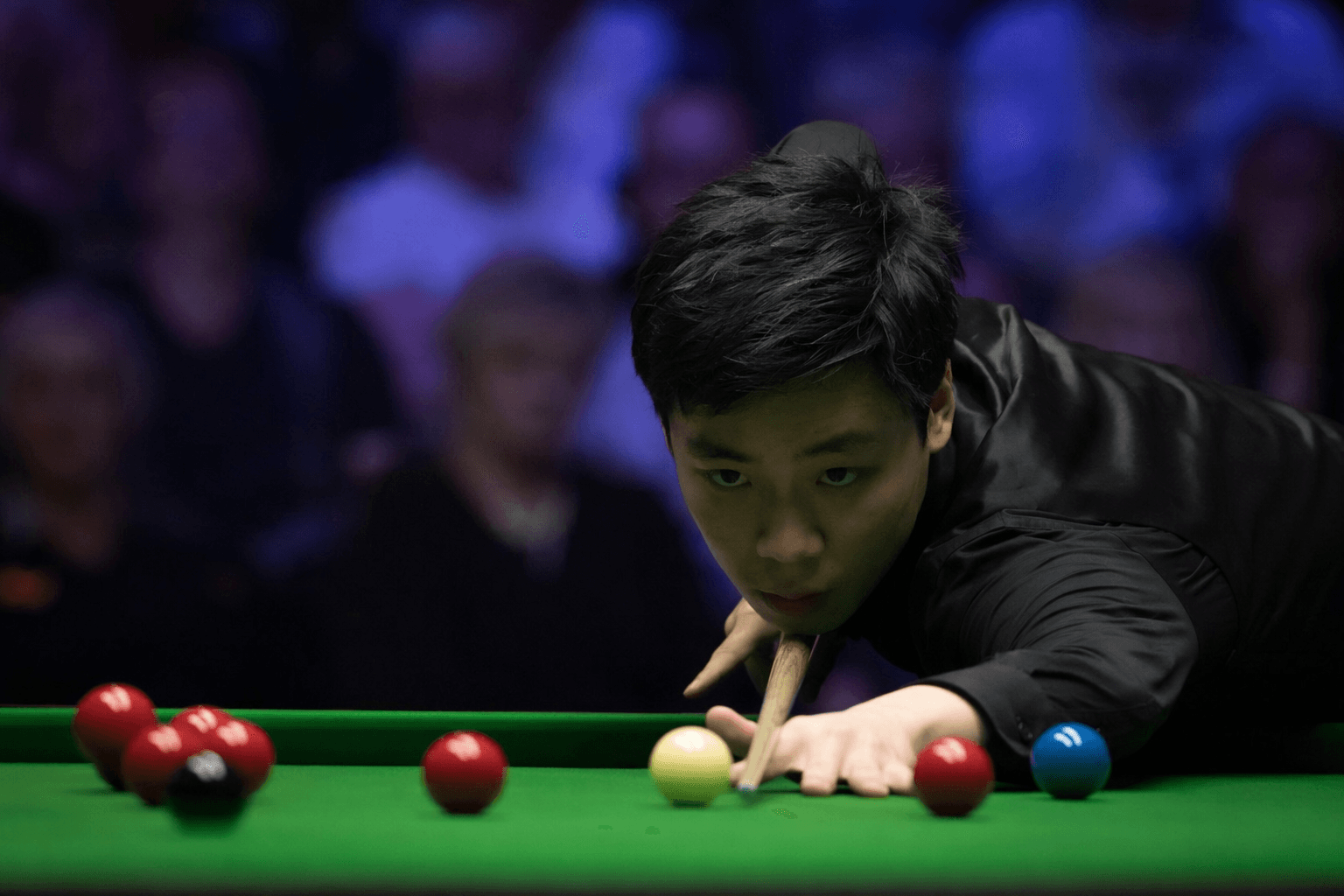
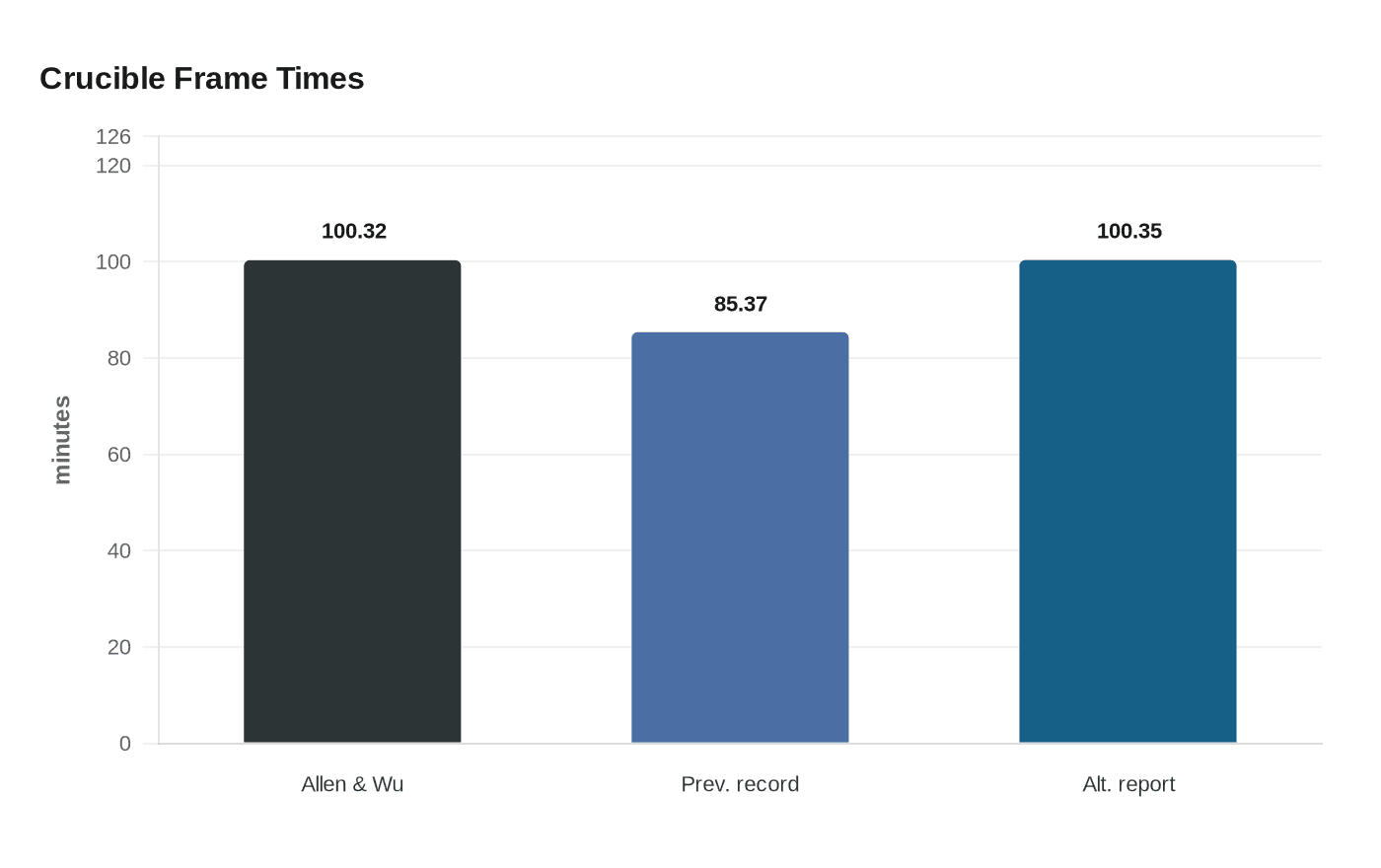
By the end, the frame had rewritten the record books. The previous longest frame at the Crucible had stood at 85 minutes and 22 seconds, set in 2022 by Mark Selby and Yan Bingtao. Allen and Wu beat that mark by 15 minutes, with some reports putting the new record at 100 minutes and 21 seconds, a small variation that did nothing to soften the scale of the stoppage.
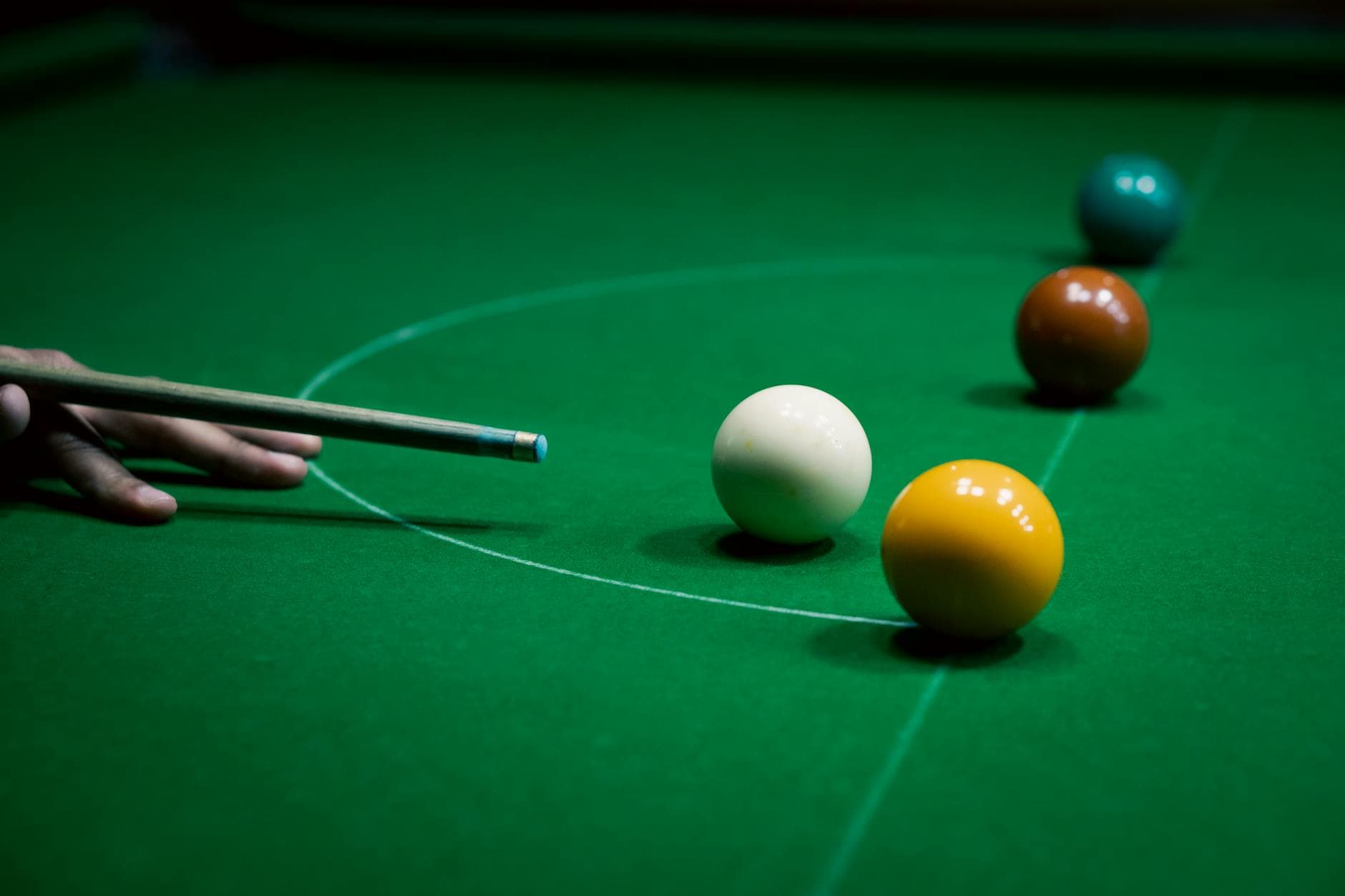
The reaction was immediate and sharp. On BBC coverage, six-time world champion Steve Davis called it “an embarrassment to snooker,” and said the referees’ and players’ associations needed to find a way to stop it happening again. Seven-time champion Stephen Hendry also questioned referee Marcel Eckardt’s handling of the stalemate, adding to the sense that the match had crossed from drama into dysfunction.
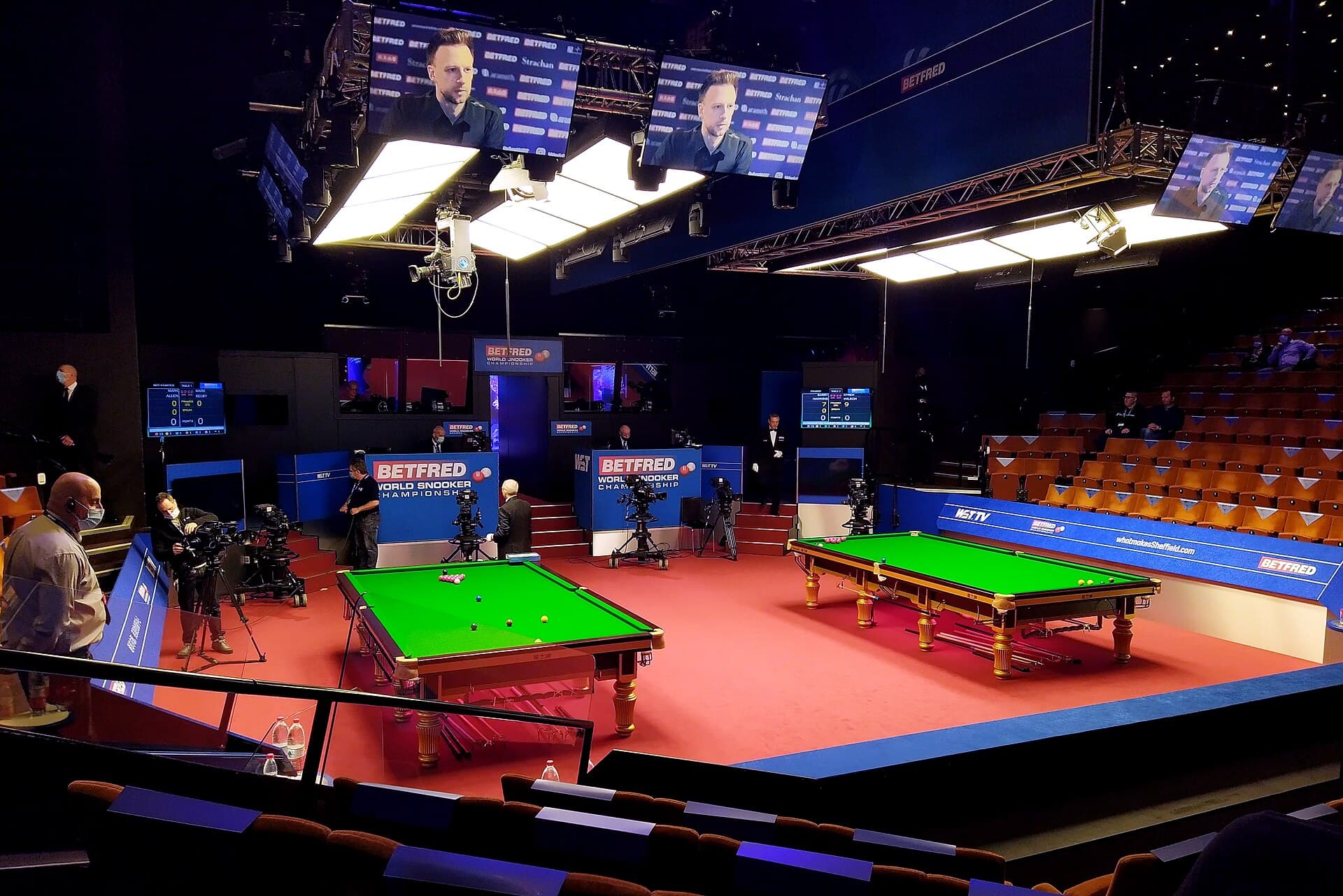
That tension matters beyond one semi-final in Sheffield. A frame that stretches beyond 100 minutes tests television appeal, disrupts scheduling, and risks making a world championship showcase look slow and self-defeating at the very moment it should be selling tension, precision and pace. Yet it also exposed one of snooker’s enduring qualities: Allen and Wu were forced to think through every shot under pressure that never let up, even when the table barely moved. In the end, the Crucible produced a record, but also a harder question about whether elite sport should celebrate such a frame or redesign the conditions that made it possible.
This article was produced by Prism’s automated news system from verified source data, official records, and press releases, then run through automated quality and moderation checks before publishing. The system is built and supervised by the people who set the standards it runs under. Read our full AI policy.
Did this article answer your question?
.jpg&w=1920&q=75)