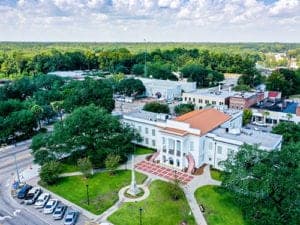
Allendale County's Topper site draws visitors and debate over early humans
The Topper archaeological site in Allendale County draws visitors and renewed debate after recovered artifacts have been cited in research suggesting very early human activity in North America.
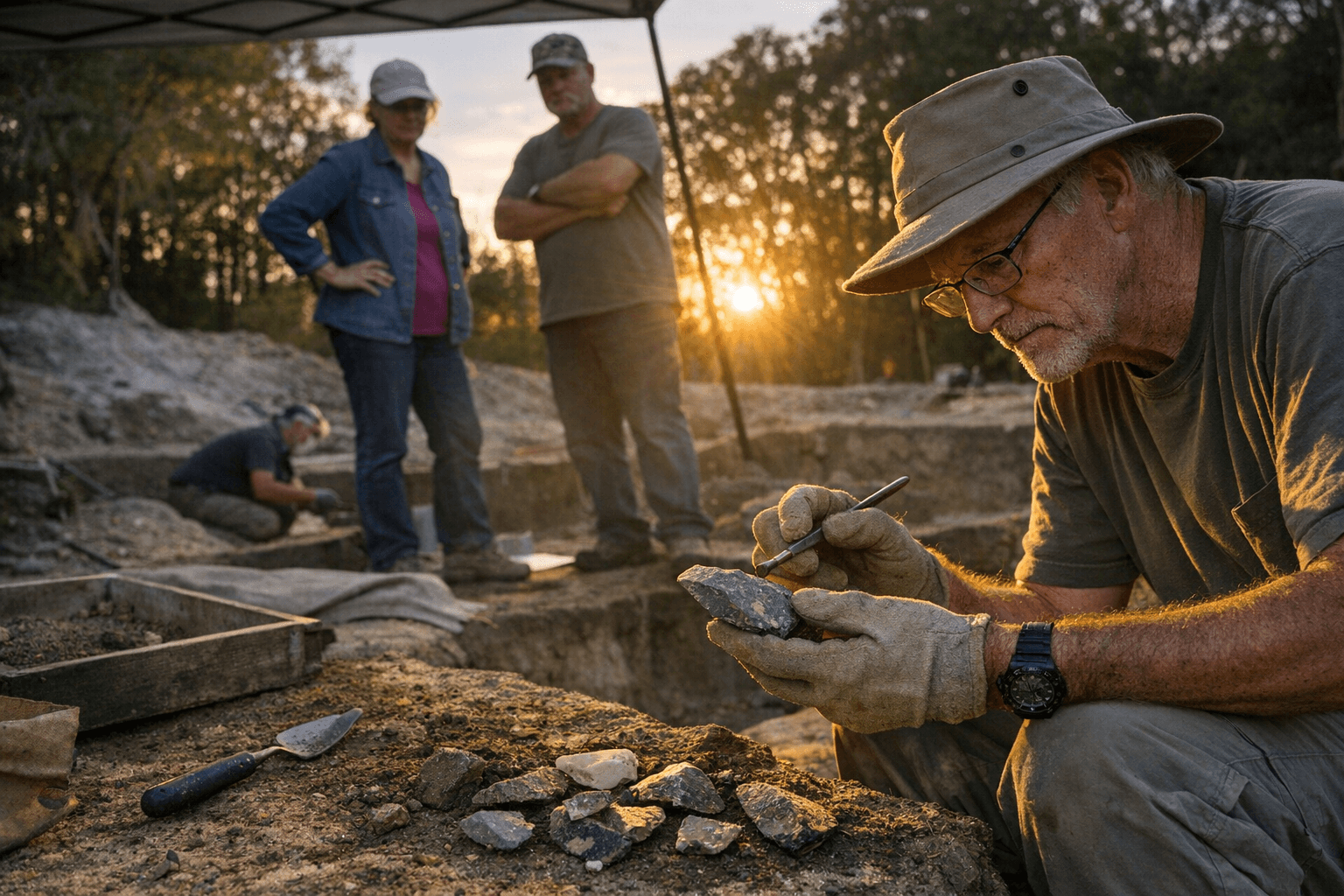
The Topper archaeological site in Allendale County has become a focal point for visitors and debate over claims that humans occupied North America far earlier than commonly taught, with recovered artifacts cited by researchers as central evidence. The site’s prominence has made it one of the most-discussed prehistoric places in the Southeast.
Recovered artifacts from the Topper site feature prominently in ongoing discussion among scholars and residents, and those finds are the reason the site draws regular attention. Local visitors come to view the land and learn about the material remains that researchers say point to very early human activity in the region, and preservation of those artifacts remains a core concern in Allendale County.
For visitors and county residents alike, Topper functions both as a public landmark and as a contested research locality. The site’s profile brings university teams and independent researchers into Allendale County for field visits, and those visits have increased community interest in how the land is interpreted and protected. County officials have had to balance public access for those who want to see the place with steps to protect areas where artifacts were recovered.
Research suggesting very early human activity in North America has repeatedly referenced Topper as evidence, and that scholarship keeps the site in scientific and public conversation. The debate over the timing and nature of the artifacts recovered at Topper has implications for how archaeologists reconstruct migration and settlement patterns across the Southeast, and the site’s findings are regularly cited in academic exchanges about early occupation of the continent.
The attention on Topper carries practical implications for Allendale County’s planning and education efforts. Local museums, school groups, and history organizations have used the site to frame programming about prehistory in the region, and county leaders face choices about signage, guided access, and stewardship of parcels associated with the Topper finds. Those decisions affect how residents and visitors interact with the physical landscape tied to the artifacts.
As debate and fieldwork continue, Topper remains a touchstone for questions about early human presence in North America and for Allendale County’s role in hosting and interpreting those discoveries. The recovered artifacts and the research surrounding them ensure Topper will stay at the center of scientific discussion and local decision-making in the years ahead.
Know something we missed? Have a correction or additional information?
Submit a Tip