Almodovar urges artists to speak out against Trump, Netanyahu and Putin
Pedro Almodovar used Cannes to call Trump, Netanyahu and Putin "monsters" and urged artists to stop staying silent as his latest film drew a warm ovation.
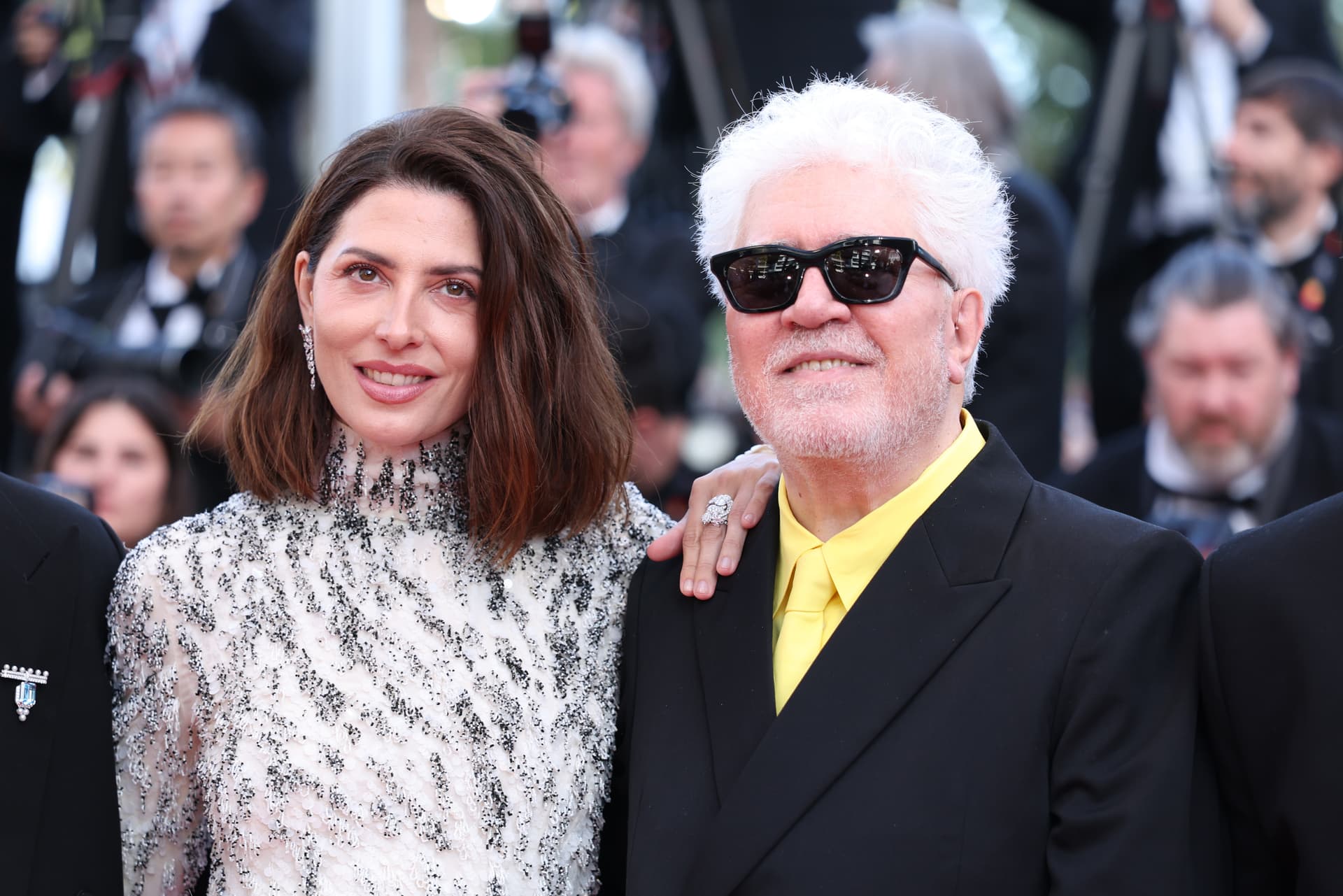
Pedro Almodovar turned his Cannes press moment into a blunt political appeal, saying artists had a moral duty to speak out against Donald Trump, Benjamin Netanyahu and Vladimir Putin. The Spanish filmmaker said silence and fear were warning signs of democracy eroding, and argued that Europe should never bow to Trump’s policies.
Almodovar made the comments after the premiere of Bitter Christmas, or Amarga Navidad, at the 79th Cannes Film Festival. The film is an in-competition feature built around Raúl, a cult filmmaker in creative crisis, who turns tragedy into the basis for a new screenplay and gradually imagines Elsa, another filmmaker whose path begins to mirror his own. The premise fits Almodovar’s long-running fascination with autofiction and artistic identity, while also reflecting the personal turn of a director who said the project was rooted in his own creative journey.
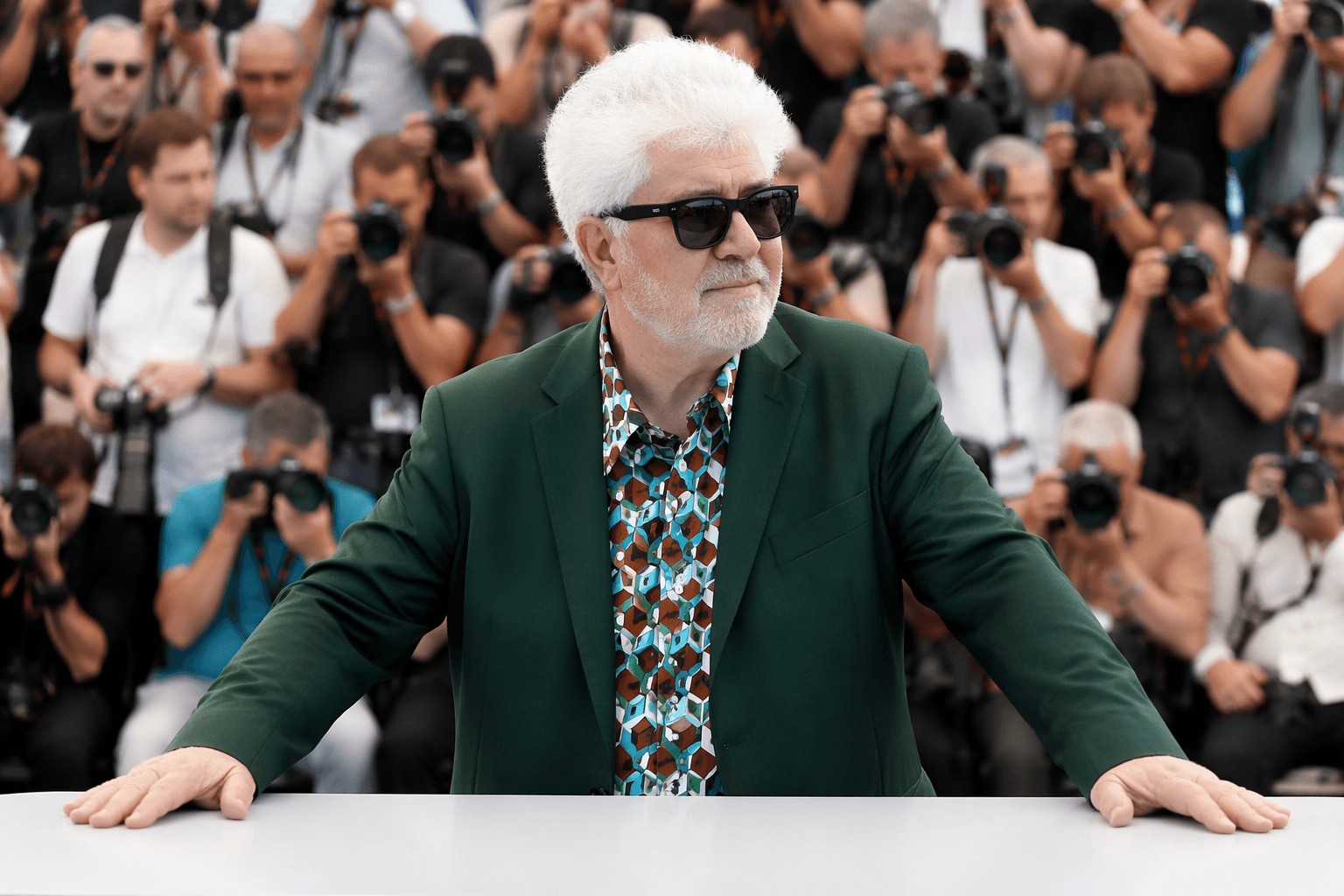
The premiere gave Cannes another reminder of how closely cinema and politics still intertwine on the Croisette. Almodovar wore a “Free Palestine” pin during the photocall, and the press conference drew applause from journalists in the room. Bitter Christmas also received a warm reception from the festival crowd, with one report putting the standing ovation at 6.5 minutes and later accounts extending it to about nine minutes.
At 76, Almodovar is hardly treating the festival as a victory lap. Reuters said this was his sixth time competing for the Palme d’Or, a sign that he remains a central figure in European cinema rather than a legacy act looking back at past glories. Bitter Christmas is his first Spanish-language film in five years and follows The Room Next Door, his English-language film that won the Golden Lion at the 2024 Venice Film Festival.
Almodovar said he expects to make at least one more film, and that when he eventually stops, he will miss coming to Cannes. For now, his remarks pointed to a larger question about the political role of artists: whether high-profile cultural figures can still shape public debate, or whether they increasingly end up preaching to audiences already inclined to agree. His appearance suggested Cannes still offers a stage for direct political speech, but also made clear how risky and confrontational explicit anti-Trump positions have become in the global cultural arena.
Know something we missed? Have a correction or additional information?
Submit a Tip