Altman urges lawmakers to reject AI model approval rules
Altman pressed Congress to ditch pre-release AI approvals, arguing for more testing instead as Washington moves toward voluntary model vetting and early government access.
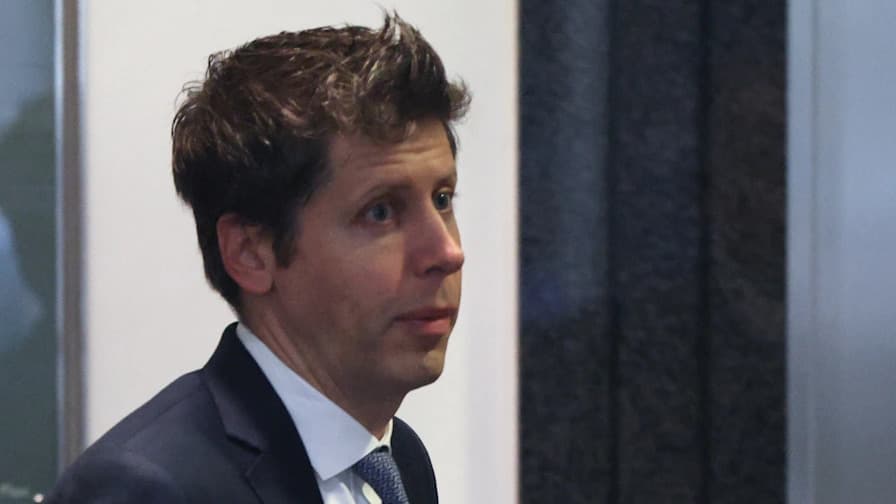
A federal approval gate for new AI models would do more than slow product launches. It would shift control over frontier AI from the companies building it to regulators deciding when, or whether, a model can reach the public, and OpenAI chief executive Sam Altman went to Washington to press lawmakers to reject that approach.
Altman was set to argue against proposals requiring AI developers to obtain U.S. government approval before releasing new models, while also asking Congress to increase funding for artificial intelligence testing at the U.S. Department of Commerce. That is a narrower ask than a licensing regime: OpenAI is not rejecting government involvement, but pushing for more testing capacity and a civilian-led process instead of a hard pre-release approval barrier. The Commerce Department already works with companies such as OpenAI and Anthropic on model testing, giving Altman a ready-made federal channel to argue for expansion rather than restriction.

The policy fight comes as the Trump administration is moving in the opposite direction on access and oversight. On June 2, the White House said Trump signed an executive order to advance artificial intelligence innovation and security, strengthen cybersecurity, and protect critical infrastructure, while promoting collaboration with the private sector and early access for trusted partners to covered frontier models. Reuters also reported that the administration would ask leading AI developers to voluntarily submit their most capable models for government cybersecurity tests before public release. In practice, that means the federal government is already building a stronger role in model review, even if the current framework stops short of mandatory licensing.
Altman’s own record shows how far the debate has moved. In May 2023, he told Congress that policymakers might consider a combination of licensing and testing requirements for AI systems above a threshold of capability, and he urged global licensing regulations as well. Two years later, OpenAI is arguing publicly against a pre-release approval regime it once seemed willing to entertain, a sign that the balance between speed, safety and state control has tightened as the models have become more powerful.
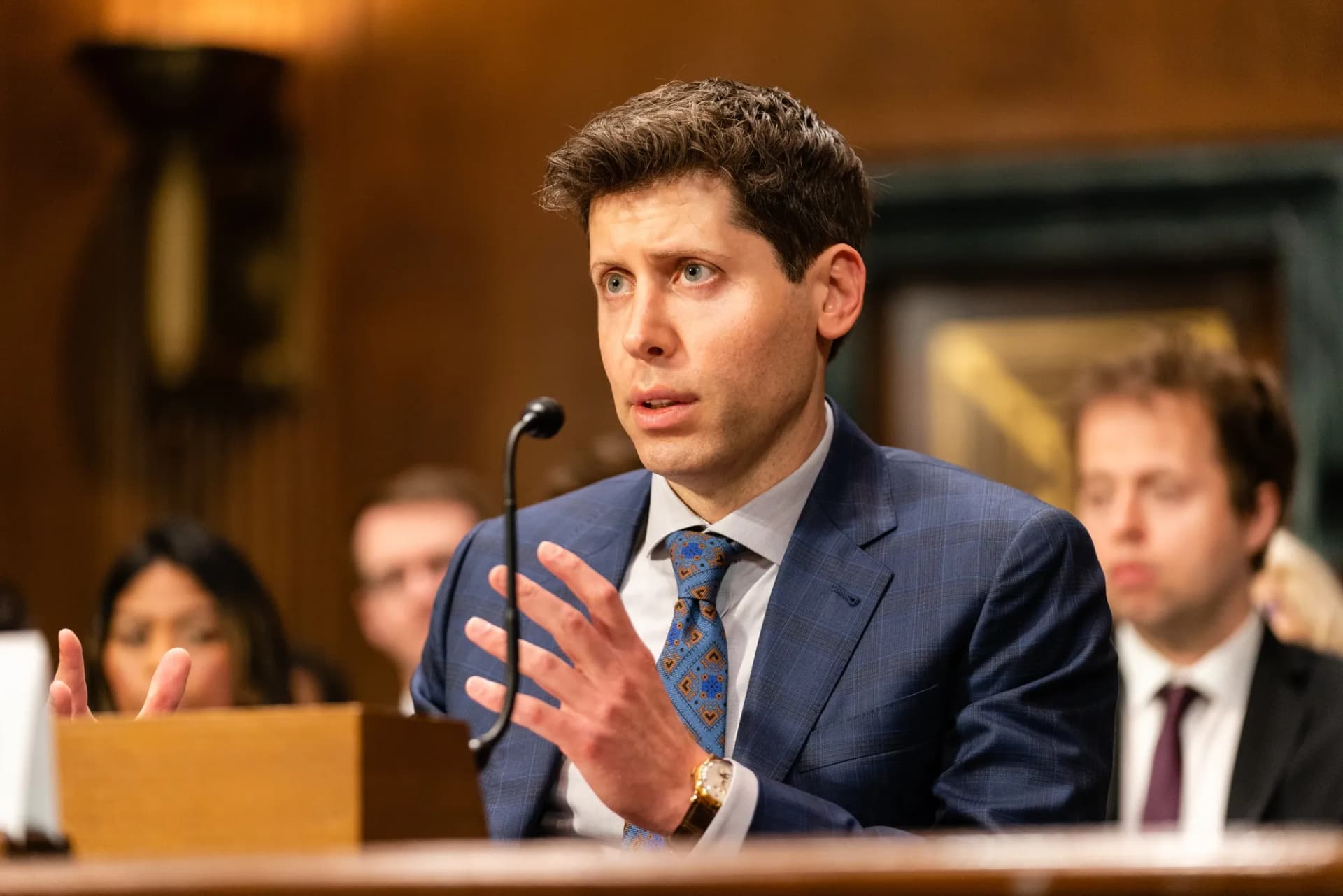
That shift is playing out inside Washington itself. Reuters and CNBC said Altman’s visit included meetings with congressional leaders and Trump administration officials, while Politico reported that OpenAI has unveiled a regulatory framework that diverges from the White House’s newer voluntary-vetting approach. The result is a sharper power struggle over frontier AI: whether the rules will be written by elected regulators with a direct pre-launch role, or by the companies building the technology under a lighter, testing-first regime.
This article was produced by Prism’s automated news system from verified source data, official records, and press releases, then run through automated quality and moderation checks before publishing. The system is built and supervised by the people who set the standards it runs under. Read our full AI policy.
Did this article answer your question?


