Amateur Pickleball Primer, Rules, Gear, and Beginner Game Plan
This guide walks you through the essentials of playing pickleball, from court layout and equipment to the core rules you must know. You will get practical serving and positioning tips, simple drills to build consistency, and where to find USA Pickleball resources for local play and skill progression.
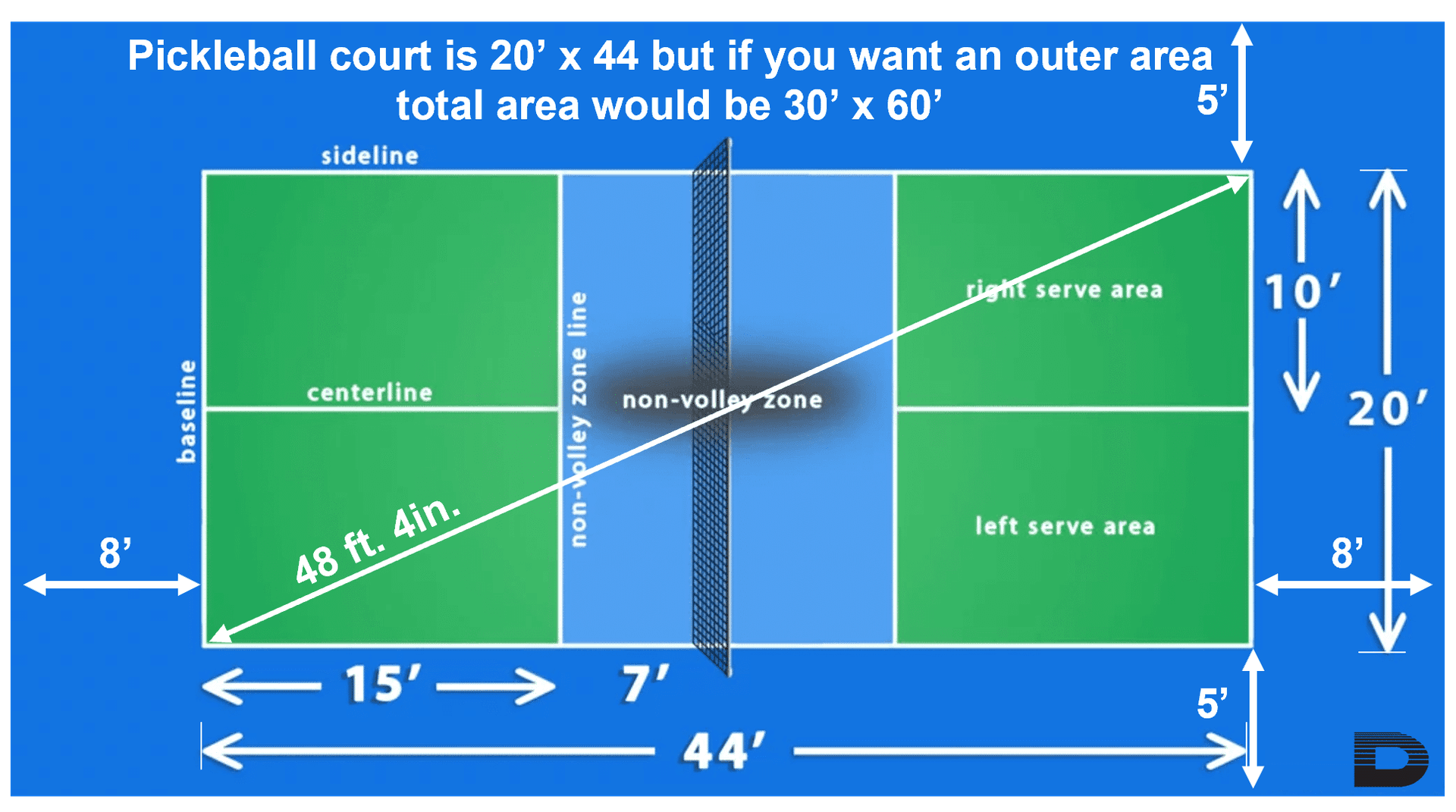
1. Court layout and dimensions
Pickleball uses a compact court that matches doubles badminton in size. The full court is 20 feet wide by 44 feet long and is divided into right and left service courts by a centerline; the non-volley zone or "kitchen" is a 7 foot strip on each side of the net where volleys are not allowed. The net sits at 36 inches at the sidelines and about 34 inches at the center, so check local nets for correct tension and height before play. Knowing these measurements helps you judge shots, plan court positioning, and set up community courts correctly when organizing games.
2. Equipment basics, paddles, ball, and net
Pickleball gear is straightforward and affordable, which makes it great for community play. Paddles come in wood, composite, and graphite varieties with different shapes and weights; lighter paddles favor quick reaction volleys while heavier paddles help generate power. The ball is a perforated polymer design with indoor and outdoor versions; outdoor balls are slightly firmer and have larger holes to withstand wind and rough surfaces. A proper net that reaches regulation height completes the setup and keeps rallies consistent across courts used by your group.
3. Defining rules, underhand serve, two-bounce rule, and the kitchen
The serve must be delivered underhand and contact with the ball must be below the waist as you make the forward motion, which favors accuracy and rallies over sheer power. The two-bounce rule requires the ball to bounce once on the serve and once on the return before either side can volley, which slows the pace initially and creates longer baseline rallies. The non-volley zone, commonly called the kitchen, prevents players from standing at the net and smashing every return; you cannot volley while standing in or touching the kitchen, though you can hit a ball in the kitchen after it has bounced. These rules shape fair play, encourage rallies, and make the sport more accessible for newcomers and varied age groups.
4. Common scoring and fault types
Most recreational games play to 11 points and require a two point margin to win, though some clubs and tournaments use 15 or 21 point formats or match play. A point is typically scored by the serving team under the traditional doubles scoring model used in many organized matches; faults that give the opponent the serve include failing to serve into the correct court, hitting the ball out of bounds, volleying in the kitchen, or violating the two-bounce rule. Foot faults on the serve, double hits, and obstructing the opponent’s swing are also common faults to watch for during pickup play. Understanding the most common faults keeps games moving and helps you explain calls clearly to new players.
5. How to serve, step by step
1. Start behind the baseline with both feet behind the line and the paddle head below your wrist.
2. Use an underhand motion, making contact below waist level and sending the ball into the diagonal service box.
3. Aim for consistency rather than power; a deep, accurate serve sets up your team to control the third shot.
Practice the serve in warmups and encourage new players to focus on placement and a repeatable motion rather than speed.
6. Basic positioning for doubles
Doubles success is about communication, sunlight sharing, and covering lanes efficiently. After the serve and return bounces, aim to move toward a position near the baseline and then to the kitchen line as the rally develops; two players at the net make an effective offensive formation while the back player covers deep shots. Use simple calls like "mine" and "yours" and practice switching responsibilities on lobs to avoid collisions. Teaching new partners these basic roles makes casual sessions more fun and less chaotic.
- Serve and return target drill: place cones in service boxes and practice landing 10 serves in a row to build reliability under pressure. This drill transfers directly to better serving performance in games.
- Two-bounce rally drill: play only after the mandatory two bounces to emphasize controlled groundstrokes and movement into the kitchen. This drill reinforces the timing and patience required for effective dinking and third shot strategy.
- Kitchen volley transition: one player feeds balls to the net player who practices moving in and out of the kitchen safely while volleying. Repetition builds confidence at the net and reduces kitchen faults.
7. Simple drills to build consistency
8. USA Pickleball resources, skill pathways, sanctioned play, and finding courts
USA Pickleball’s official primer is an authoritative, plain-language starting point that covers court layout, equipment basics, and the defining rules described above. Use USA Pickleball resources to find local courts, explore skill-level pathways that help you track improvement, and learn about sanctioned play if you intend to compete. For community organizers, the primer offers accessible explanations you can share with new members and volunteers to standardize rules and grow a welcoming local program.
Wrap up Pickleball’s simple setup and clear rules make it ideal for community play. Focus on consistent serving, safe kitchen habits, and cooperative doubles positioning, and use the USA Pickleball primer to deepen your knowledge and connect with local courts and organized play.
Know something we missed? Have a correction or additional information?
Submit a Tip

