Amazon Gaming Week discounts PS5 games, PC gear, and Nex Playground console
Amazon’s Gaming Week cut Elden Ring Nightreign on PS5 to $31.50 and dropped Nex Playground to $239.99, a rare break after April’s price hike.

Amazon’s annual Gaming Week has returned with more than 130 deals across nearly a dozen categories, but the clearest savings are concentrated where gaming demand is easiest to stir: PS5 software and PC accessories. The sale, which runs from April 27 through May 4, stretches across video games, PCs, home entertainment and toys, yet the most meaningful price cuts are selective rather than sweeping.
That matters because it separates real discounts from recycled sale pricing. Amazon is featuring the PS5 version of Elden Ring Nightreign at $31.50, down from $44.99, a cut of $13.49 on one of the event’s headline games. The broader mix is less compelling on Xbox, where deal coverage has been thinner, while PC gear looks stronger, with discounts extending to gaming keyboards and other accessories that have been staples of Amazon’s past Gaming Week promotions, including controllers, SSDs, headsets and monitors.
The sharpest price signal may be the Nex Playground. Amazon listed the hands-free console at $239.99 during Gaming Week, a full $60 below the $299 price Nex set on April 1 after raising it from $249. That makes the promotion stand out as one of the few genuinely new concessions in a sale season that often leans on familiar markdowns. For buyers, the question is not whether a discount exists, but whether the sticker price beats the product’s most recent list price. In Nex’s case, it does.
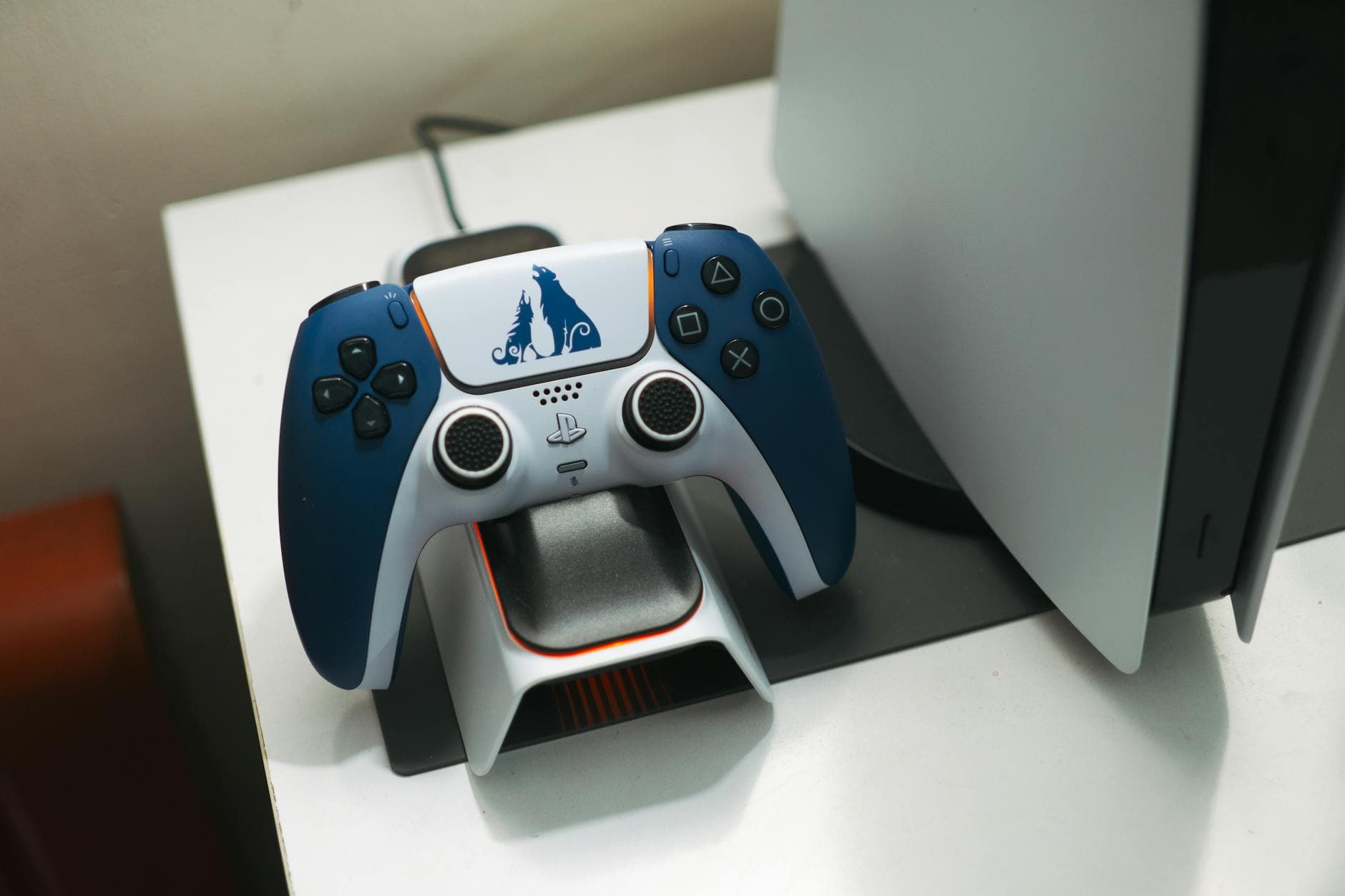
The pattern fits a cautious consumer market. Gaming hardware remains expensive, and retailers appear more willing to discount software and accessories than core devices, especially outside a few targeted console offers. Amazon’s selective approach suggests it is using Gaming Week to move product where demand is price-sensitive, not to reset the market. PS5 games, keyboards and a handful of niche devices are getting cheaper; mainstream console pricing is not. That split says as much about household spending pressure as it does about gaming sales strategy.
This article was produced by Prism’s automated news system from verified source data, official records, and press releases, then run through automated quality and moderation checks before publishing. The system is built and supervised by the people who set the standards it runs under. Read our full AI policy.
Did this article answer your question?