Amazon Lists Factory-Built Modern Tiny Homes as Affordable Compact Dwellings
Amazon listed a factory-built modern tiny home on its marketplace in early 2026, pitching a prefab option as an affordable, compact dwelling for buyers.
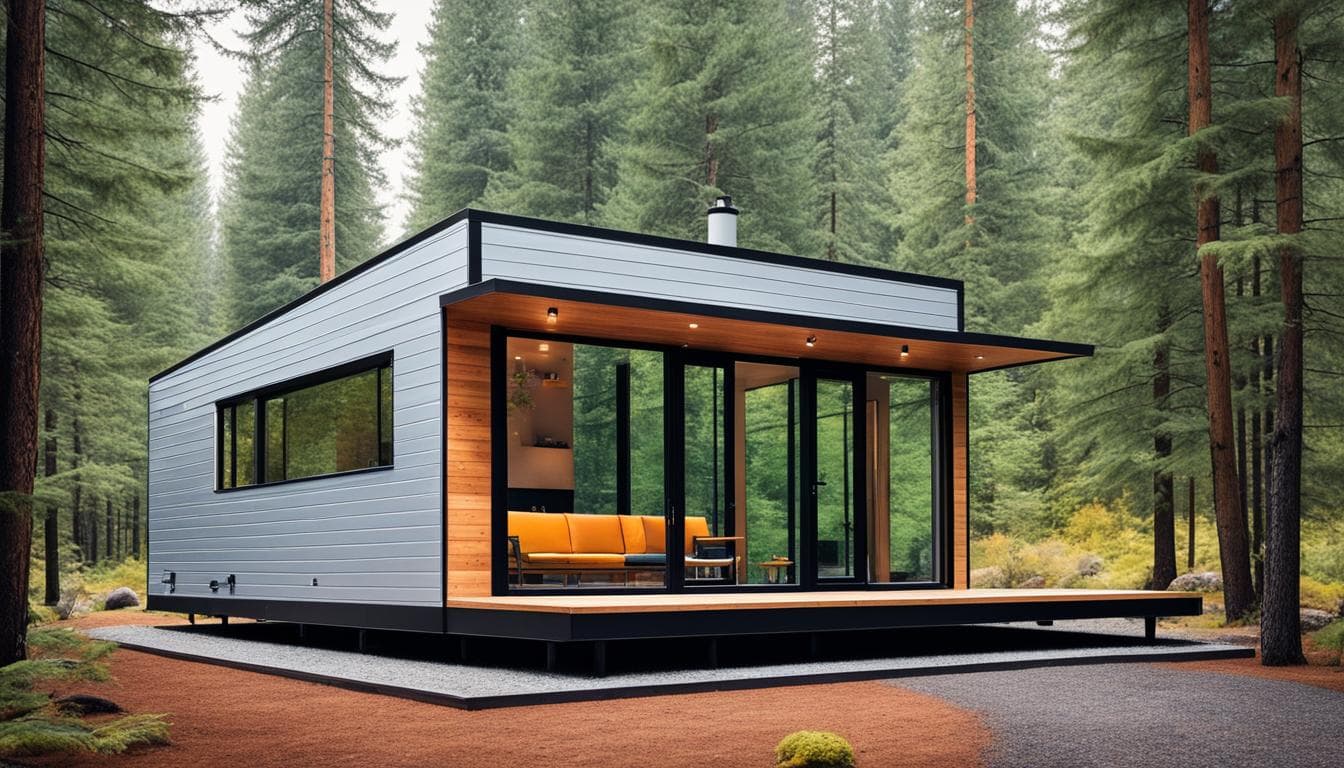
Amazon’s marketplace began offering a factory-built modern tiny home in early 2026, positioning a prefab model as an affordable, compact dwelling option for buyers. The listing presents the unit as factory-built and modern, bringing a prefab product into a mainstream online retail channel in early 2026.
The product on Amazon is described in the listing as a factory-built tiny home, emphasizing prefab construction and modern design; the listing language markets the unit specifically as an affordable, compact dwelling. Listing the home through Amazon’s marketplace in early 2026 places a factory-built model alongside more traditional consumer goods, which could change how buyers discover and compare tiny-home options.
Selling a factory-built modern tiny home on a major marketplace in early 2026 creates practical steps for purchasers: the unit is offered as a prefab, factory-built dwelling, and the listing promotes affordability and compact living. For builders and buyers who follow prefab supply chains, the Amazon marketplace listing in early 2026 signals an additional distribution channel for factory-built units.
Community members tracking delivery and siting should note the listing’s emphasis on factory-built construction in early 2026, since factory-built homes often arrive on-site in large sections. The Amazon marketplace listing in early 2026 draws attention to transport, foundation, and permitting questions tied to prefab, factory-built tiny homes sold through an online retail platform.
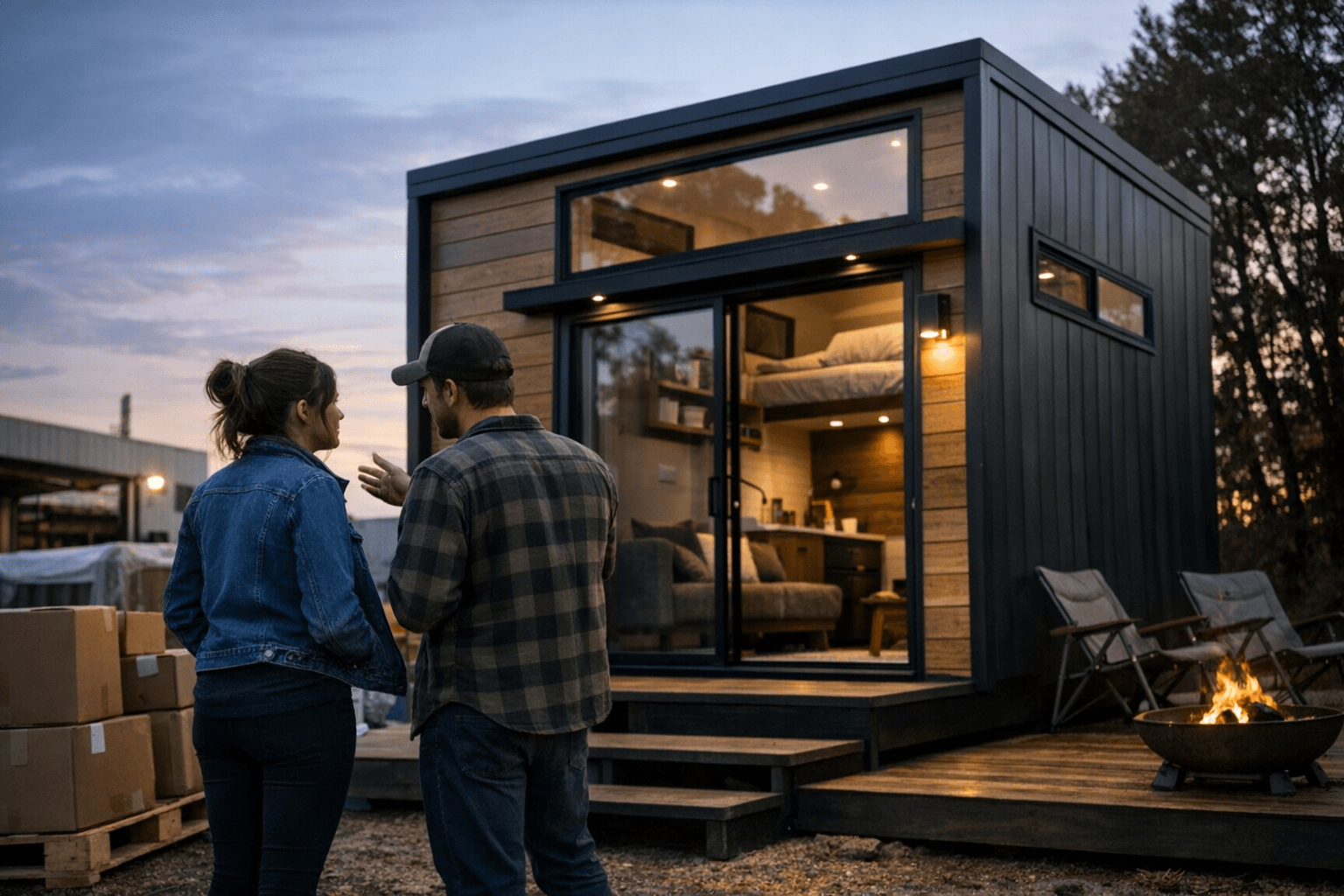
Smaller builders and established manufacturers will likely watch the Amazon marketplace listing from early 2026 as a test case for retail distribution of prefab, factory-built tiny homes. The listing’s positioning of the unit as an affordable, compact dwelling in early 2026 may influence pricing expectations among buyers who compare factory-built options on an online marketplace.
For neighbors and community advocates, the fact that a factory-built modern tiny home was listed on Amazon’s marketplace in early 2026 makes the conversation about code and classification more immediate; the listing frames the product for everyday consumers as an affordable, compact dwelling. That framing in early 2026 could accelerate questions about how jurisdictions treat factory-built, prefab tiny homes purchased through large online marketplaces.
Tiny-house buyers and builders watching market channels should note the Amazon marketplace listing in early 2026 as a specific development: a factory-built, modern tiny home marketed as an affordable, compact dwelling, brought to consumers through a mainstream e-commerce platform.
Know something we missed? Have a correction or additional information?
Submit a Tip