America Builds Three Ships a Year While China Builds a Thousand
A 60 Minutes investigation exposed a stark gap in U.S. shipbuilding capacity, with China outpacing America by a ratio of roughly 333 to 1.
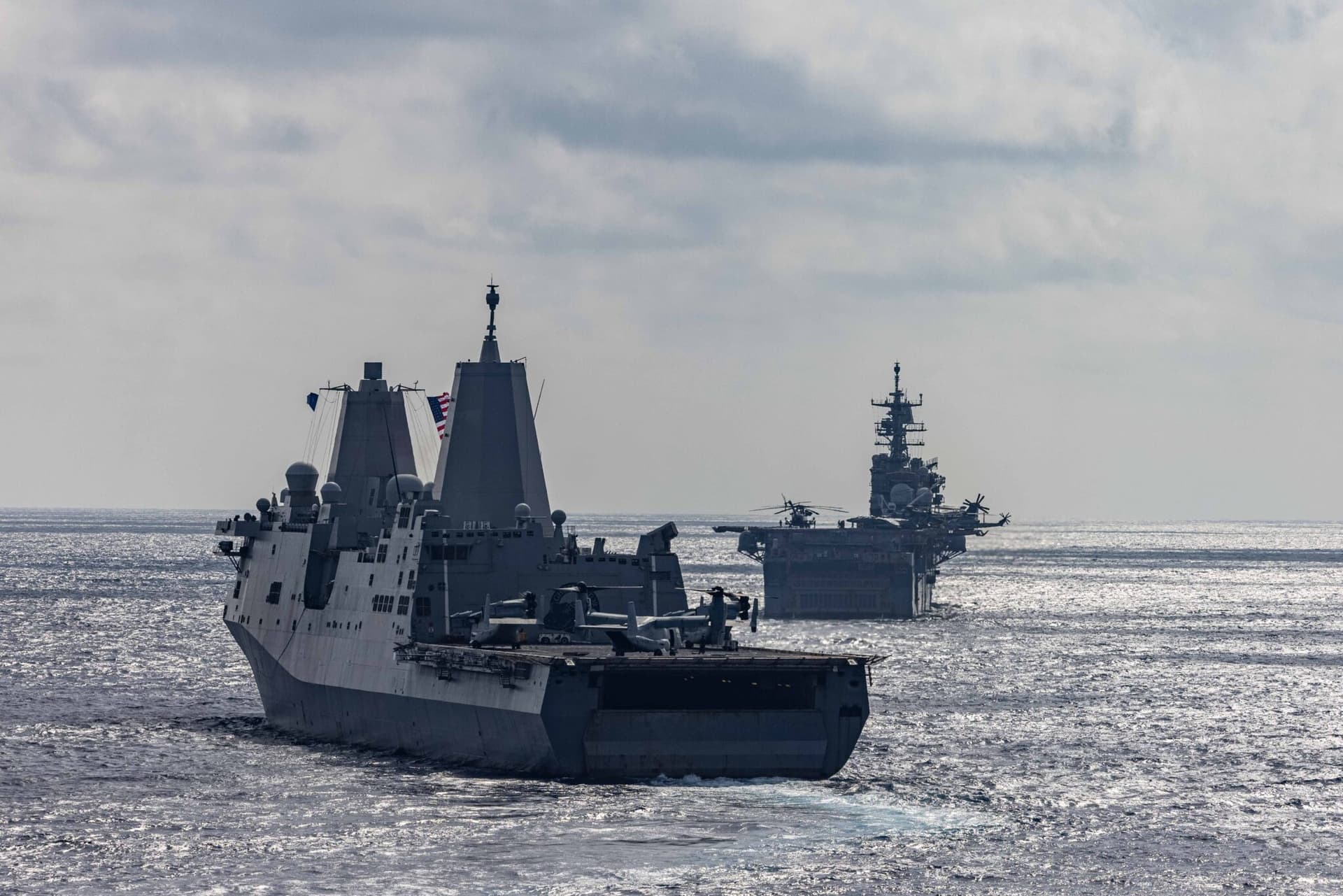
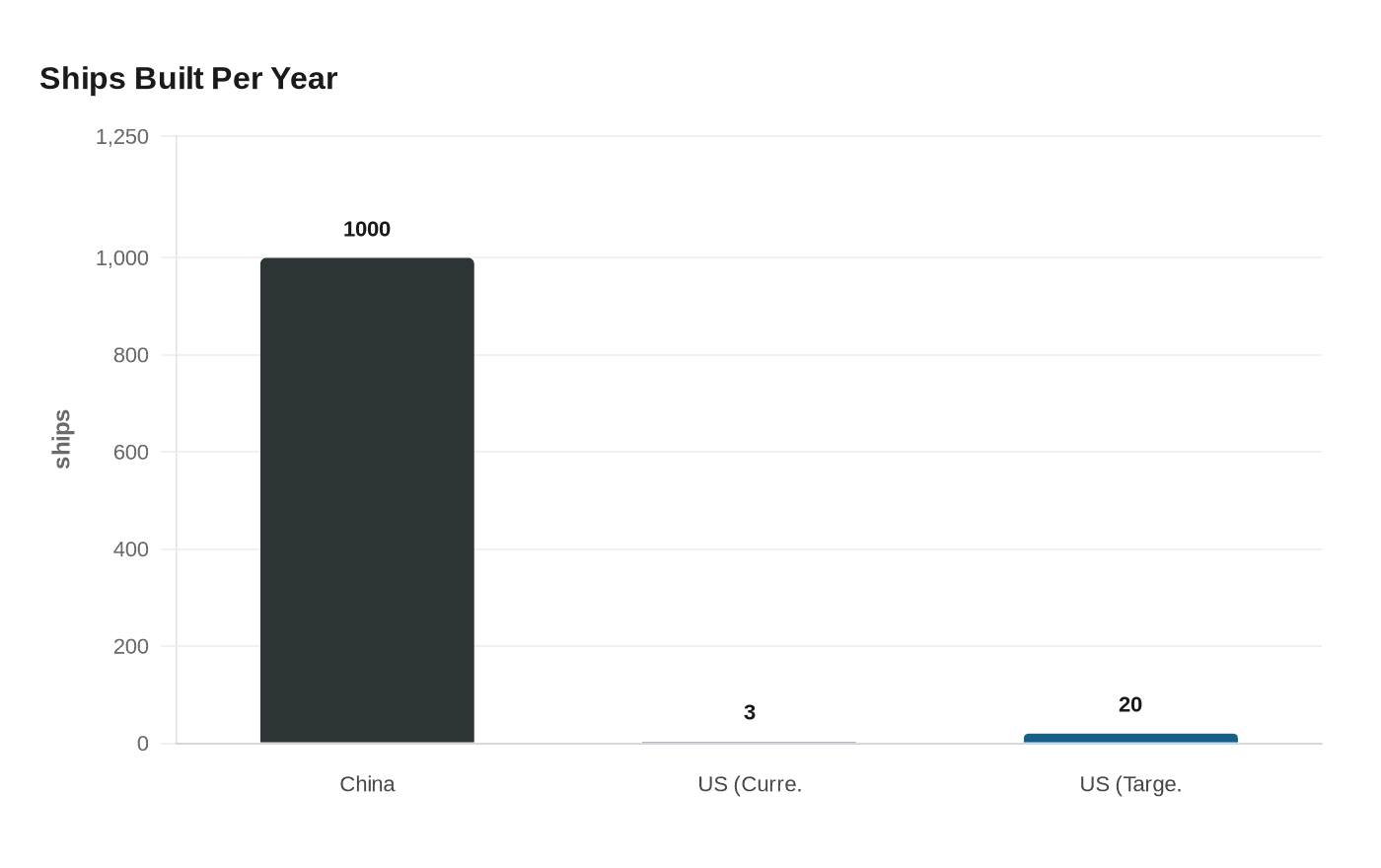
The United States produced approximately three large cargo ships last year. China produced around 1,000. That disparity, laid out in a 60 Minutes broadcast Sunday, has moved from a trade concern to a national security alarm: if conflict with China were to erupt, Beijing could weaponize its massive merchant fleet to cut off American access to global goods.
"We are in a shipbuilding crisis in the United States, and every American should be aware of that," said Michael Coulter in the segment. "But that doesn't mean that it's not solvable." Coulter framed the strategic stakes with striking historical irony: "We once deployed ships to save South Korea. Now we've been forced to turn to South Korea to save us."
That reliance is no longer hypothetical. South Korean defense and industrial conglomerate Hanwha has committed to spending $5 billion at the Philadelphia shipyard and has already dispatched 50 trainers from Korea to teach American workers the craft the U.S. let atrophy over decades. David Kim, speaking in the segment about future production targets, was direct: "Our aspiration is to get to up to 20 ships a year here at the shipyard." Within two years, he said, the transformation would be visible: "You'll see robots. You will see automation equipment. And we're looking to grow the workforce by, call it, 7,000 to 10,000 people."
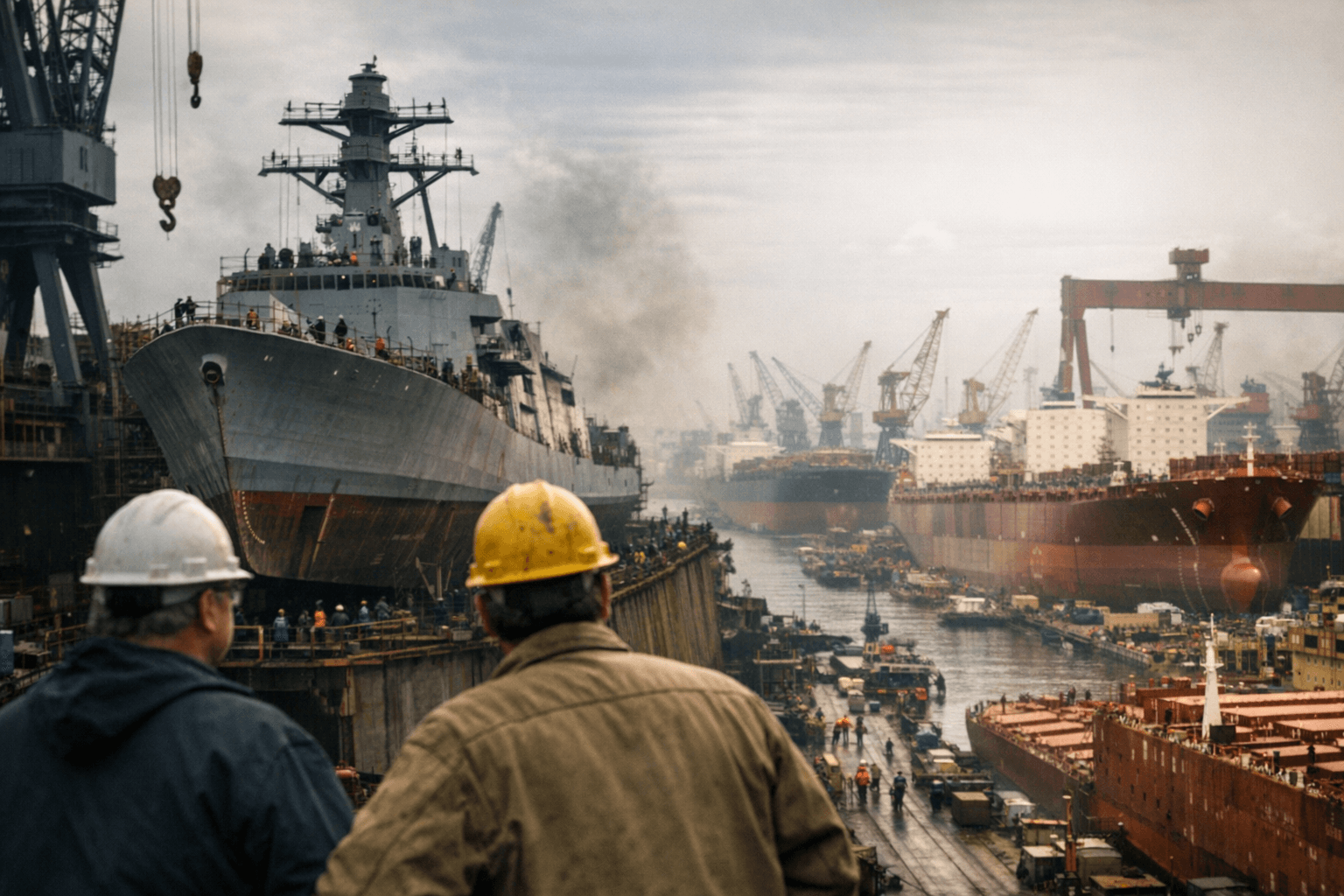
The broader merchant fleet picture is equally bleak. Only 80 oceangoing merchant vessels currently fly the American flag, according to The American Legion, and most domestic shipyards remain narrowly focused on Navy contracts rather than commercial production. Funding shortfalls, repeated design changes, and workforce shortages have already delayed the production of the new Columbia-class nuclear submarine, compounding vulnerabilities in naval modernization.
In a statement to 60 Minutes, the White House declared that "no president has done more to bolster American maritime power." The Trump administration, as noted in the program's social media promotion, has characterized the situation as a national security crisis. The segment also noted that, with gas prices rising, the president suspended the Jones Act for 60 days to ease the transport of oil and gas domestically, a move confirmed during the interview.
60 Minutes correspondent Lesley Stahl put the dependency plainly: "The idea that we now rely on Korean expertise to help us build an industry that we need for national security reasons. Should we be ashamed of ourselves? Should we feel weak?" Coulter pushed back on defeatism while refusing to minimize the problem.
On Capitol Hill, bipartisan legislation is taking shape. Sens. Mark Kelly, a Democrat from Arizona, and Todd Young, a Republican from Indiana, introduced Senate bill 1541, with a companion bill, H.R. 3151, introduced in the House by Rep. Trent Kelly of Mississippi. The legislation would require the president to appoint a Maritime Security Advisor, establish a Maritime Security Board, create a Maritime Security Trust Fund, and provide financial and regulatory incentives to commercial shipbuilders. The American Legion has formally endorsed both bills.
The 60 Minutes segment drew 1.3 million views on Facebook, with nearly 4,000 comments, a measure of public appetite for a story that has lived largely inside defense and trade policy circles. Whether congressional action and private investment can reverse decades of industrial decline before the strategic window narrows further is the central question the segment leaves unanswered.
This article was produced by Prism’s automated news system from verified source data, official records, and press releases, then run through automated quality and moderation checks before publishing. The system is built and supervised by the people who set the standards it runs under. Read our full AI policy.
Did this article answer your question?

