American fighter jet downed over Iran, U.S. officials say
An F-15E from RAF Lakenheath's 494th Fighter Squadron was shot down over Iran Friday, the first U.S. manned aircraft lost to enemy fire in Operation Epic Fury; crew fate unknown.
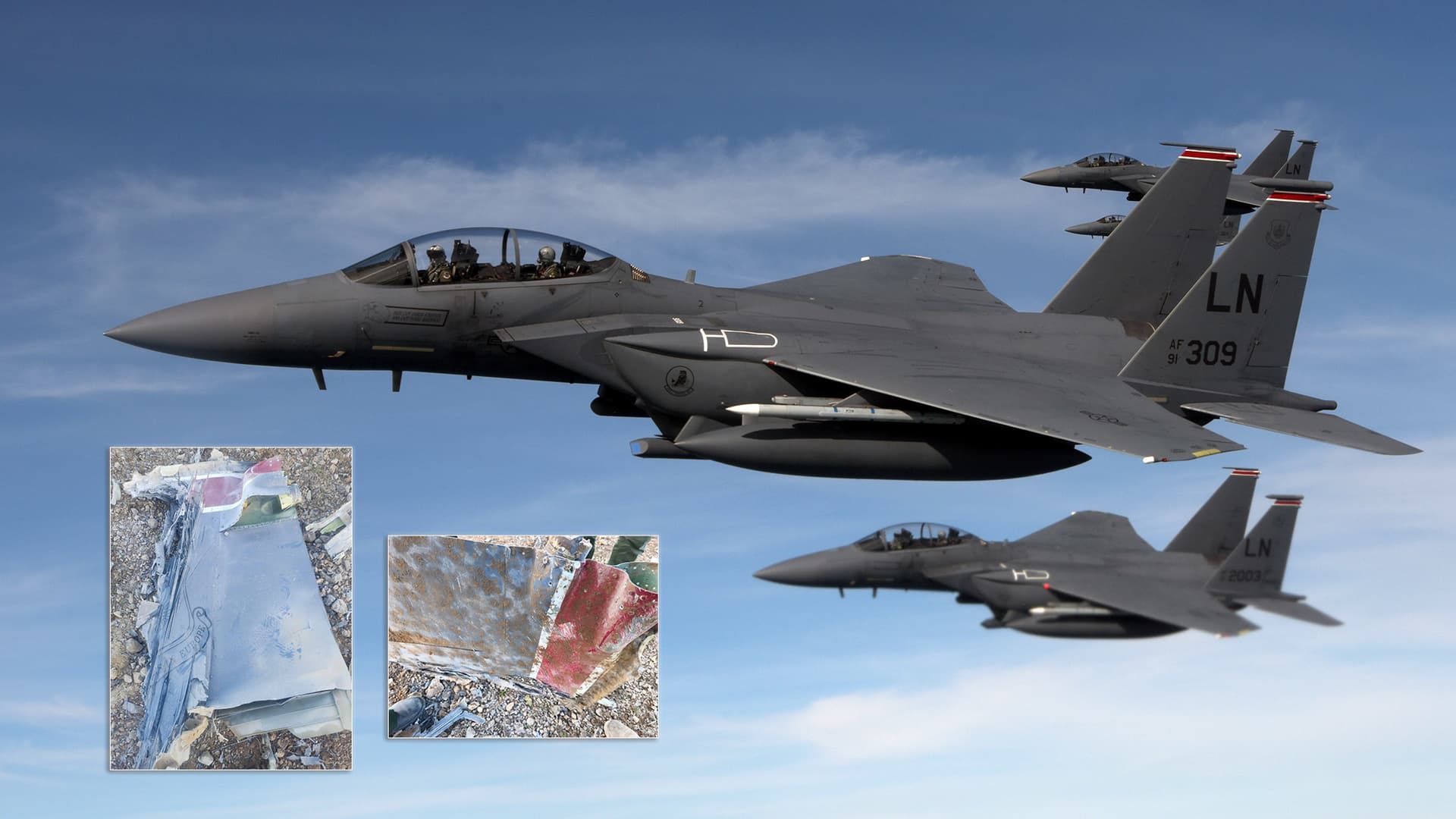
An F-15E Strike Eagle operated by the 494th Fighter Squadron was shot down over southwestern Iran on Friday by Islamic Revolutionary Guard Corps air defense systems, U.S. officials confirmed, marking the first time during Operation Epic Fury that a manned American aircraft has been brought down by confirmed enemy fire.
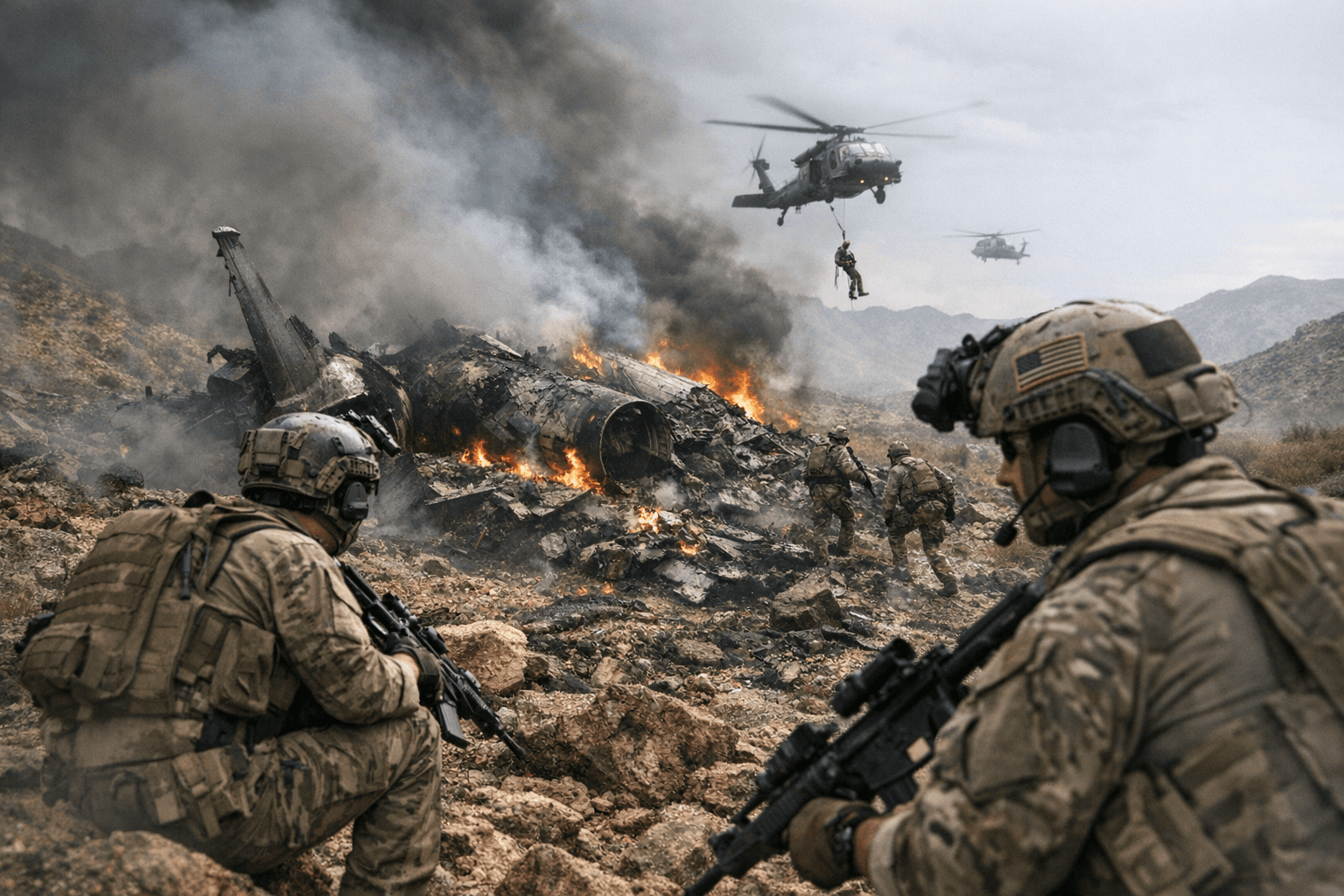
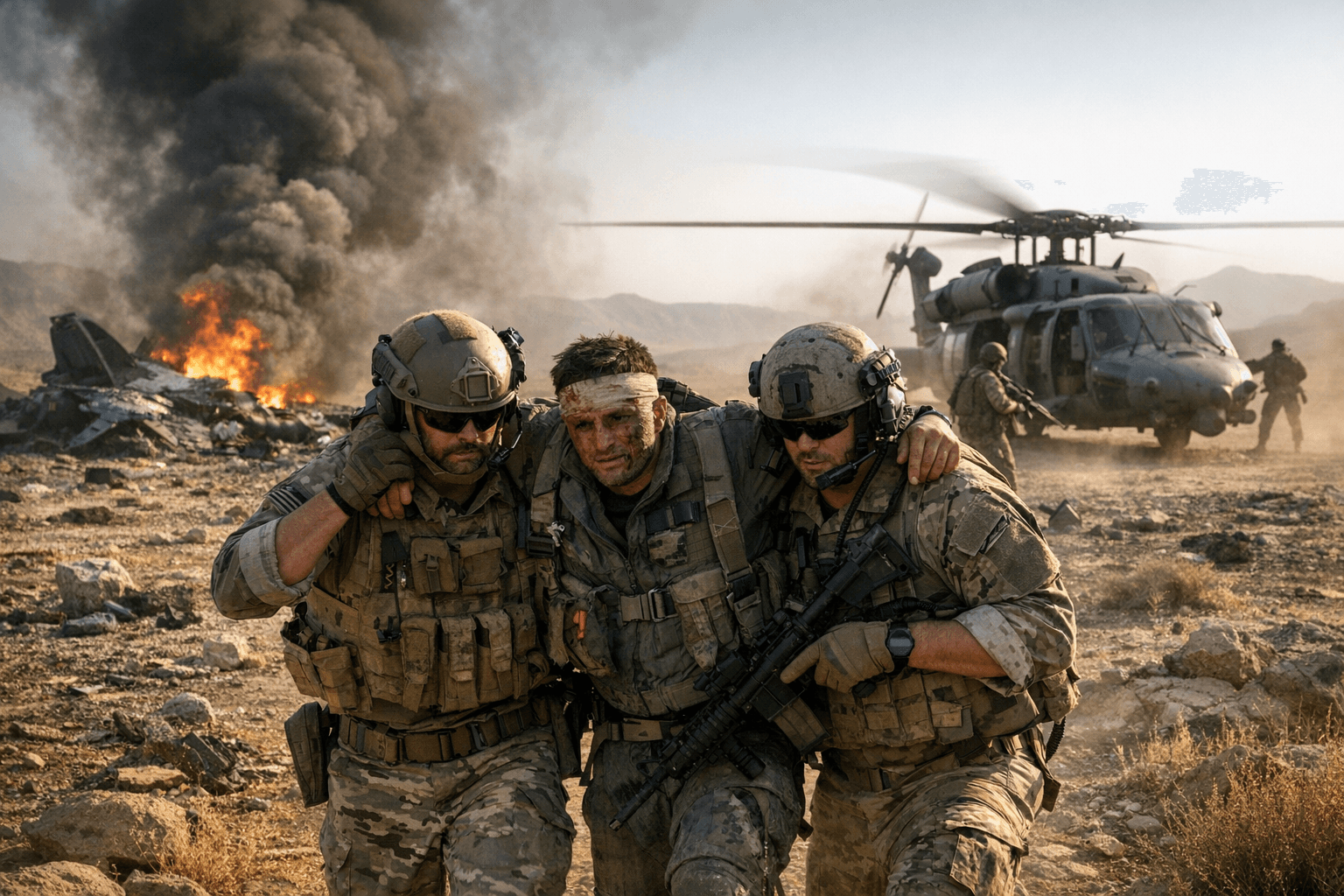
The jet went down over Kohgiluyeh and Boyer-Ahmad Province, a mountainous region spanning more than 5,900 square miles. The F-15E carries a two-seat crew, and both remain unaccounted for. A combat search and rescue effort is underway, with U.S. military aircraft including Black Hawk helicopters and a C-130 Hercules operating in the area. An ACES II ejection seat was reportedly recovered near the crash site, consistent with at least one crew member attempting to eject. Tasnim News Agency, affiliated with the IRGC, claimed that one U.S. rescue helicopter was attacked by Iranian air defense near the border.
The downed aircraft belonged to the 494th Fighter Squadron, known as the Panthers, part of the 48th Fighter Wing, the Liberty Wing, based at RAF Lakenheath approximately 80 miles northeast of London. About 12 of the squadron's F-15Es deployed to Jordan on January 17, 2026, as part of the 494th Expeditionary Fighter Squadron. Debris photographs released by Iranian state media and Tasnim showed the aircraft's vertical stabilizer bearing the 494th's distinctive red tail flash and the U.S. Air Force in Europe badge. Iranian state media initially misidentified the aircraft as an F-35 stealth fighter, but open-source aviation analysts and wreckage photographs confirmed it was an F-15E.
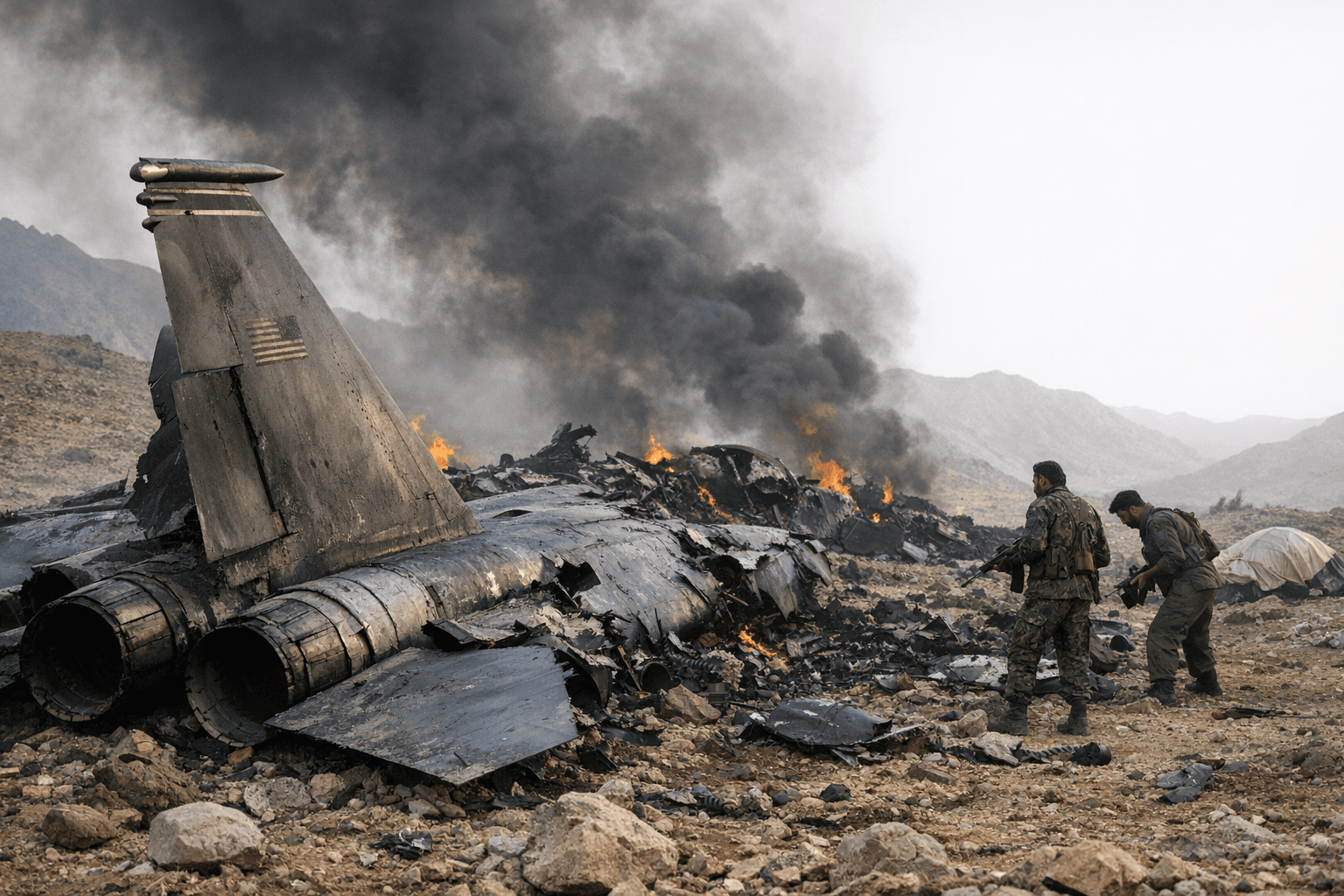
Iran's military spokesperson for the Khatam al-Anbiya Central Headquarters said the jet had been "completely destroyed" and that the pilot's chances of survival were low. Iranian state television broadcast an appeal urging civilians in Kohgiluyeh and Boyer-Ahmad Province to capture any U.S. pilots alive and hand them over to security forces in exchange for a "valuable reward." One broadcast initially instructed viewers to "shoot them as soon as you see them" before the message was revised to urge capture. Armed tribesmen in the province reportedly joined the manhunt.
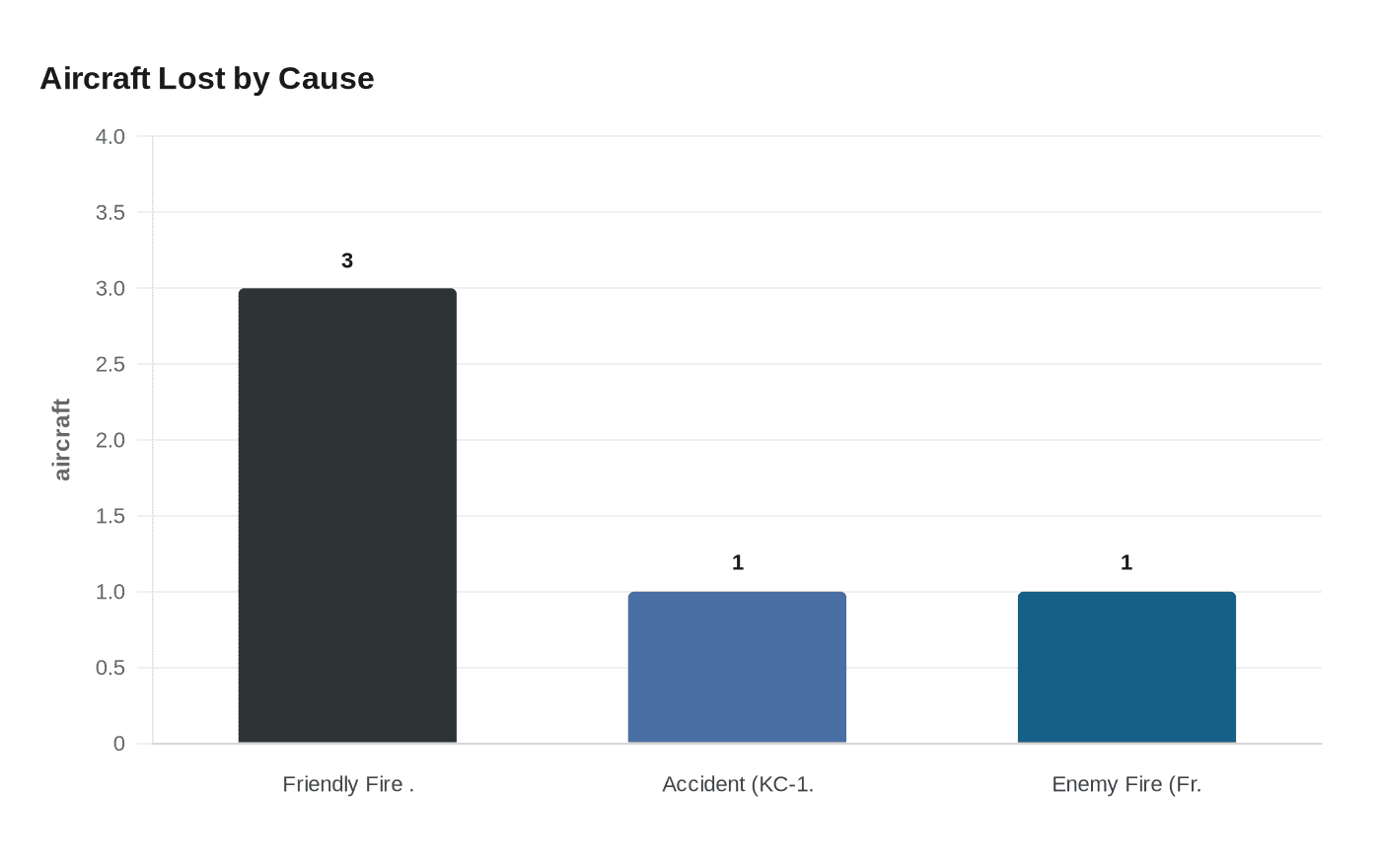
Friday's loss represents a significant shift in the air campaign's casualty profile. Until this shootdown, every confirmed U.S. aircraft loss during Operation Epic Fury had resulted from accidents or friendly fire. On March 2, three F-15E Strike Eagles were shot down over Kuwait by a Kuwaiti Air Force F/A-18C Hornet after a breakdown in coalition command-and-control communications, in what has been described as the most significant blue-on-blue incident of the 21st century; all six crew members ejected safely. On March 19, an F-35A sustained enemy fire over Iran and made an emergency landing, the pilot walking away with shrapnel injuries. A KC-135 tanker crashed in western Iraq following a midair collision with another U.S. aircraft, killing six Airmen. Friday's F-15E is also the first of its type ever confirmed shot down by enemy fire in the Middle East.
The shootdown deepens a crisis already reshaping the region. Earlier this week, U.S. and Israeli forces struck the B1 Bridge near Tehran in Karaj, killing at least eight people and wounding 95 more. President Donald Trump, in a Truth Social post, threatened to target Iranian bridges and power plants, writing, "New Regime leadership knows what has to be done, and has to be done, FAST!" Iran has claimed retaliatory strikes on what it described as American steel industries in Abu Dhabi and American aluminum industries in Bahrain. The Strait of Hormuz, through which roughly one-fifth of global oil and natural gas supplies travel, has been largely blocked since Iran launched retaliatory strikes, with Iranian officials authorizing only vessels from China, Pakistan, and India to transit. On Thursday, UN Secretary-General António Guterres called for a ceasefire. With the first American pilot potentially in Iranian hands, the pressure on that call just intensified considerably.
Sources:
Know something we missed? Have a correction or additional information?
Submit a Tip