American League shuts out National League in All-Star Game, 4-0
Eleven American League pitchers combined on a three-hit shutout, and Cody Bellinger’s early RBI helped turn Philadelphia’s All-Star Game into a 4-0 AL win.

The American League turned the 96th Midsummer Classic into a pitching showcase and a shutout, beating the National League 4-0 at Citizens Bank Park in Philadelphia behind 11 arms that combined on a three-hit, 15-strikeout night. The 15 strikeouts set an All-Star Game record, and the scoreless effort was the first in the event since the American League’s 3-0 win in 2013.
The scoring came fast. The American League put up three runs in the first inning against hometown Phillies starter Cristopher Sánchez, with Cody Bellinger and Ben Rice driving in runs before Miguel Vargas added a solo home run in the eighth. By the end of the night, the National League had gone 3-for-30 at the plate, a line that underscored how fully the game tilted toward the American League’s parade of relievers after starter Dylan Cease set the tone.
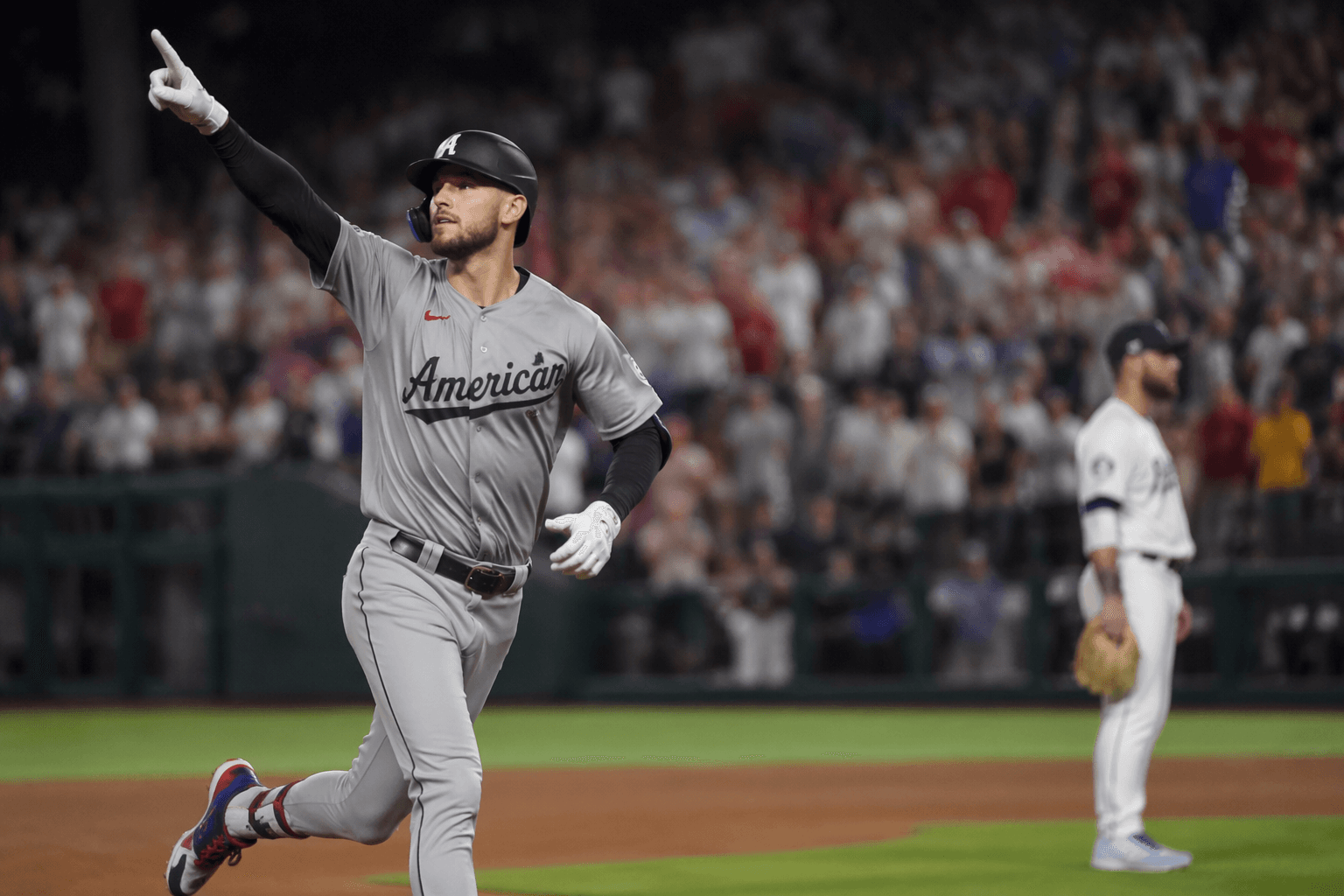
Bellinger was named All-Star Game MVP after going 1-for-3 and delivering the key early hit in the opening inning. The award made him the fourth Yankees player to win All-Star Game MVP, joining Derek Jeter, Mariano Rivera and Giancarlo Stanton. Mike Schmidt, the Phillies Hall of Famer, presented Bellinger with the Ted Williams All-Star Game MVP Award.
For Philadelphia, Sánchez’s start carried its own resonance. It was his home ballpark, and he became the first Phillies pitcher to start an All-Star Game since Roy Halladay in 2011 and only the seventh Phillies pitcher ever to do it. Citizens Bank Park hosted the All-Star Game for the first time, giving Philadelphia its fourth turn as host after 1952, 1976 and 1996.
The week around the game, from July 10 to July 14, was built around the Home Run Derby, the Futures Game and fan events across the city, but the crowd’s most consistent role was to make itself heard. Philadelphia fans booed through much of the celebration, from the Derby to the game itself, fitting the city’s reputation for a hard-edged sports voice.
That noise matched the night’s broader message. With 11 pitchers, pitch-limit management and a roster built for brief, high-visibility appearances, the All-Star Game now looks less like a direct test of elite competition than a curated inventory of baseball’s biggest names and most marketable moments. The baseball still produced a record strikeout total, but the event increasingly sells the sport as spectacle first.
This article was produced by Prism’s automated news system from verified source data, official records, and press releases, then run through automated quality and moderation checks before publishing. The system is built and supervised by the people who set the standards it runs under. Read our full AI policy.
Did this article answer your question?