Americans Evacuated From Hantavirus Cruise Outbreak Monitored in Nebraska and Atlanta
One evacuee already tested mildly PCR positive, while 18 travelers are being watched in Nebraska and Atlanta after a hantavirus cruise outbreak.
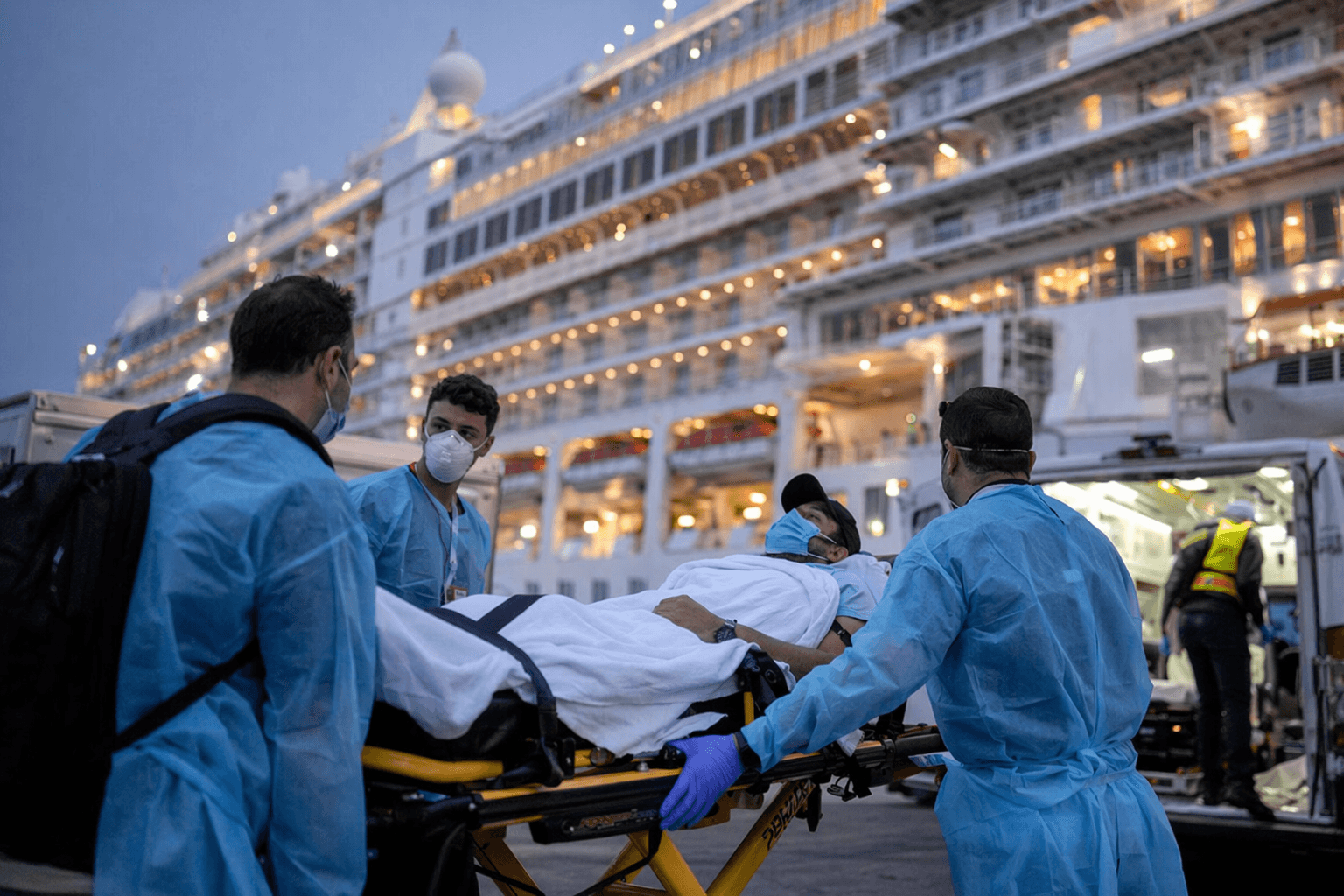
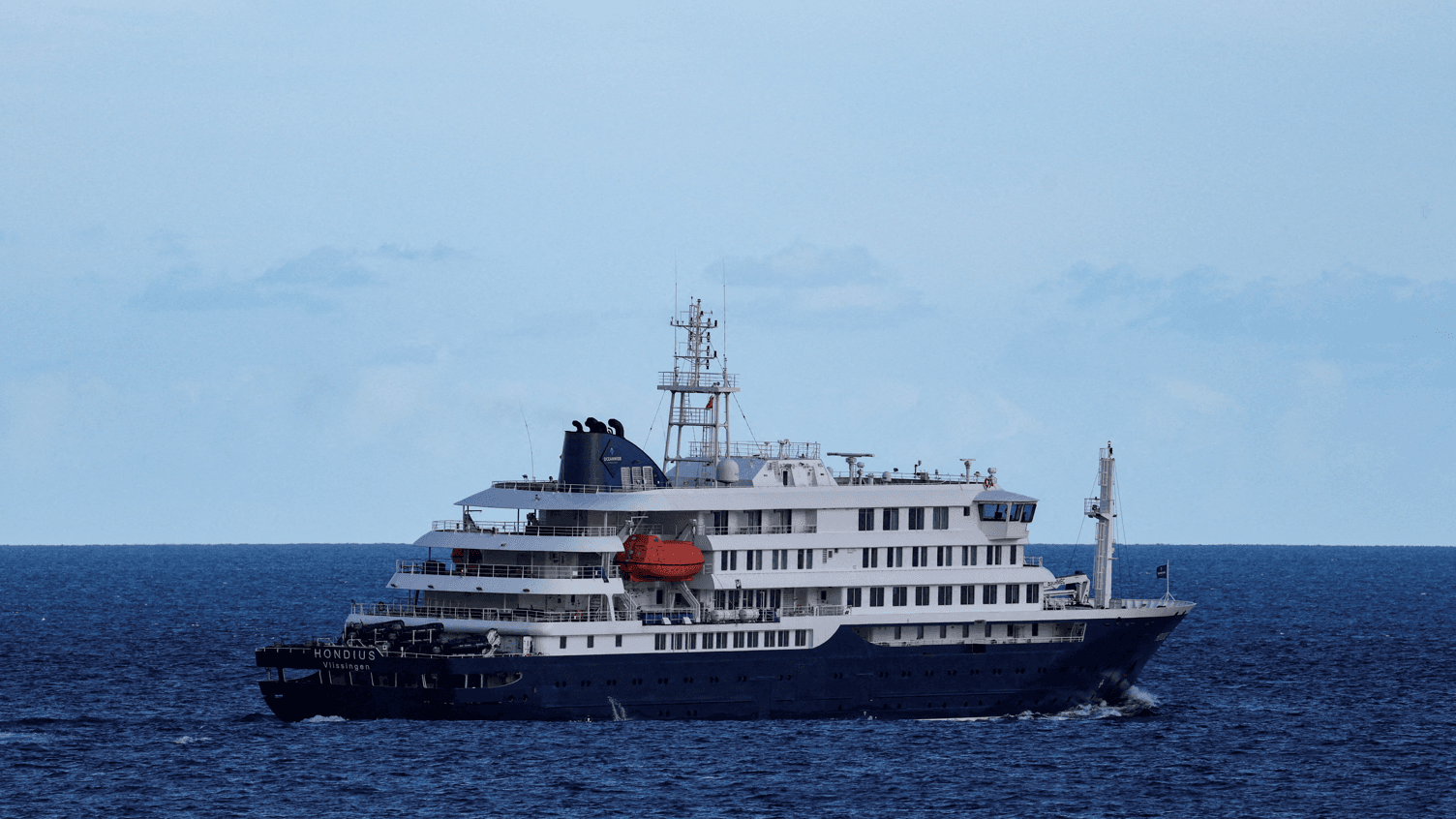
The Americans evacuated from the M/V Hondius are being watched for fever, cough, shortness of breath and other hantavirus symptoms inside federal quarantine facilities in Omaha and Atlanta, where doctors will keep them under observation through the virus’s long incubation window, which can stretch to 42 days after exposure. The group arrived in the United States early Monday on a U.S. Department of State plane from the Canary Islands, and officials moved 16 passengers to the University of Nebraska Medical Center while two others were placed at Emory University in Atlanta.
One American on the repatriation flight had already started showing symptoms, and another tested mildly PCR positive for Andes virus, the strain tied to the outbreak. Nebraska Medicine and UNMC said one passenger who tested positive but had no symptoms was admitted to the Nebraska Biocontainment Unit for follow-up testing and monitoring, while the rest were described as asymptomatic and only potentially exposed.
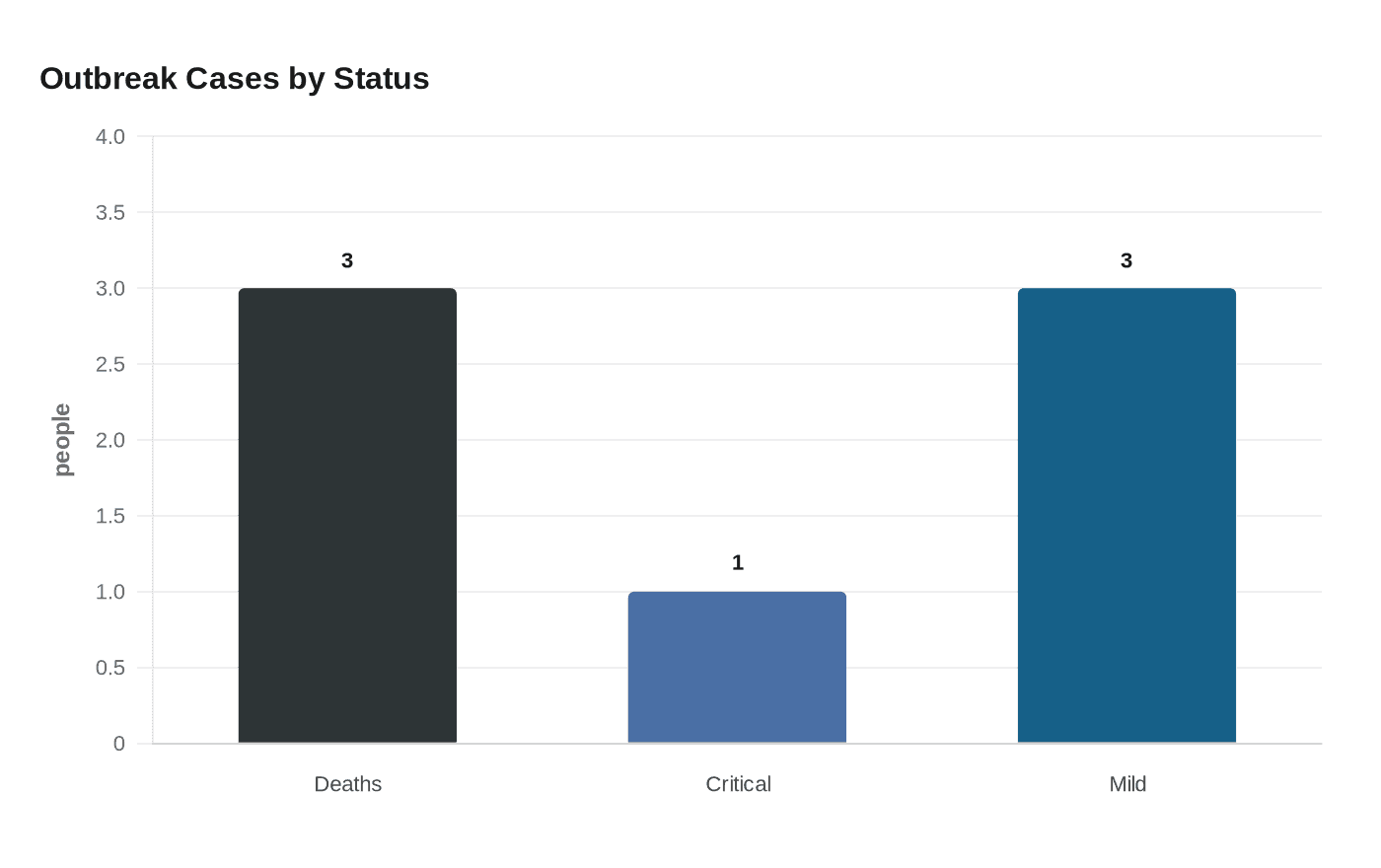
The health concern centers on how the illness spread on the ship, not on a broad threat to the public. The World Health Organization said the outbreak began aboard a vessel carrying 147 passengers and crew, with illness onset between April 6 and April 28. By May 4, the agency had identified seven linked cases, including three deaths, one critically ill patient and three people with mild symptoms. The U.S. Centers for Disease Control and Prevention said the outbreak involves Andes virus, the only hantavirus documented to spread person to person, and even then typically only through close, prolonged contact with a symptomatic person.
That is why public health officials have treated the repatriation as a quarantine problem first and a treatment problem second. The Americans in Omaha are being observed at the National Quarantine Unit on the UNMC campus, a facility built for federal isolation and monitoring, while health authorities track anyone who develops symptoms during the window that started after exposure on the ship. WHO said the global risk remains low and that the outbreak is not the start of another COVID-like pandemic; CDC likewise said broad spread in the United States is considered extremely unlikely, even as it warned clinicians and health departments to watch for imported cases after issuing a Health Alert Network advisory on May 8.
This article was produced by Prism’s automated news system from verified source data, official records, and press releases, then run through automated quality and moderation checks before publishing. The system is built and supervised by the people who set the standards it runs under. Read our full AI policy.
Did this article answer your question?