Americans increasingly oppose AI data centers over costs and water use
A May Gallup poll found 71% of Americans opposed AI data centers near them, with water use, power bills and quality of life driving the resistance.
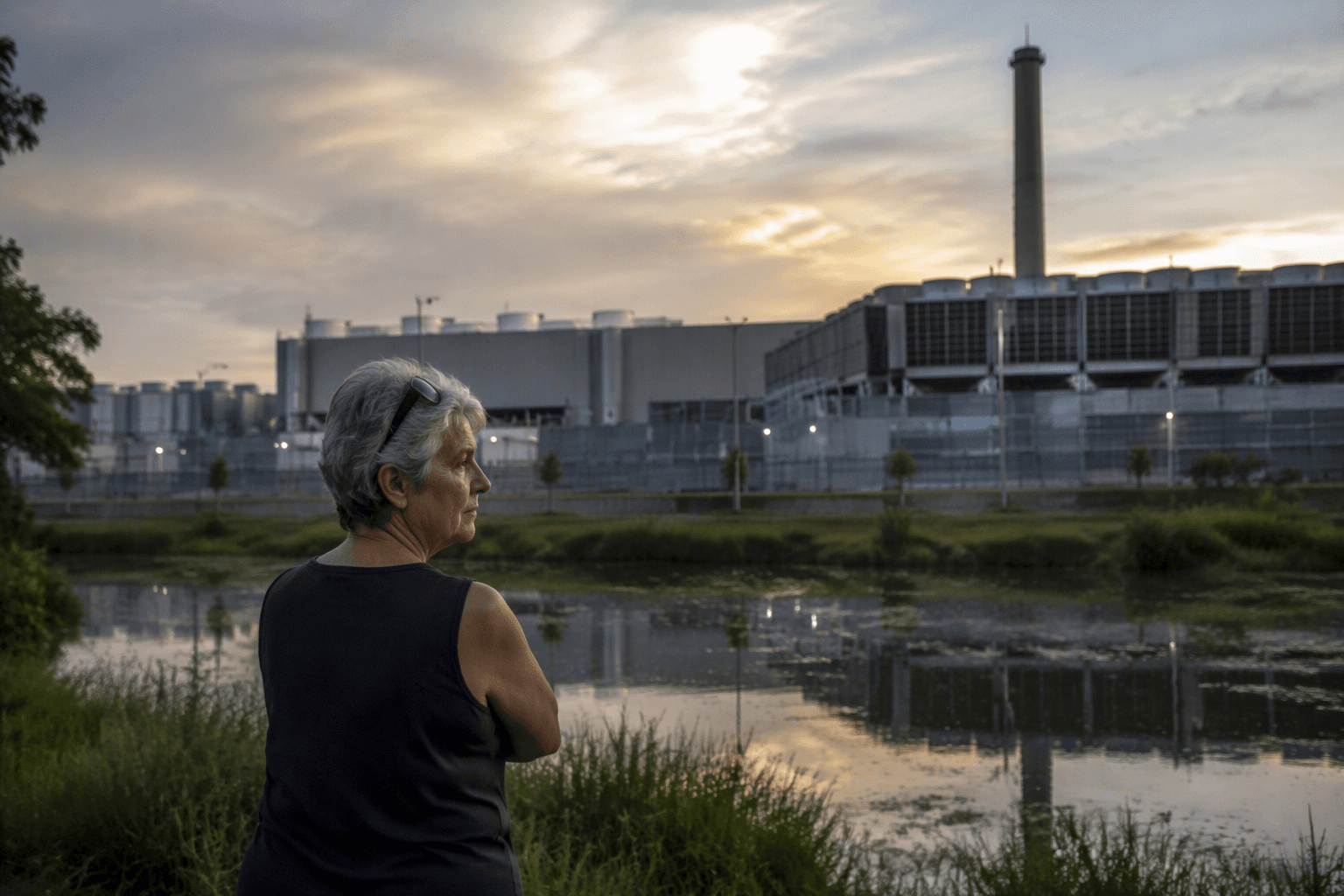
The backlash against AI data centers hardened in May when Gallup found 71% of Americans opposed building one in their local area, including 48% who said they would strongly oppose it. Only about a quarter of respondents supported the projects, a sharp signal that the buildout is colliding with concerns far beyond abstract fears about artificial intelligence.
The resistance has centered on electricity demand, water use, pollution, noise and day-to-day quality of life. Coverage tied to the poll found especially strong opposition among people worried about water, energy and higher utility bills, turning server farms into a local fight over who pays for the technology boom. Data Center Watch said $64 billion in U.S. data center projects had been blocked or delayed amid local opposition, a scale that suggests community pushback is now a material business risk.
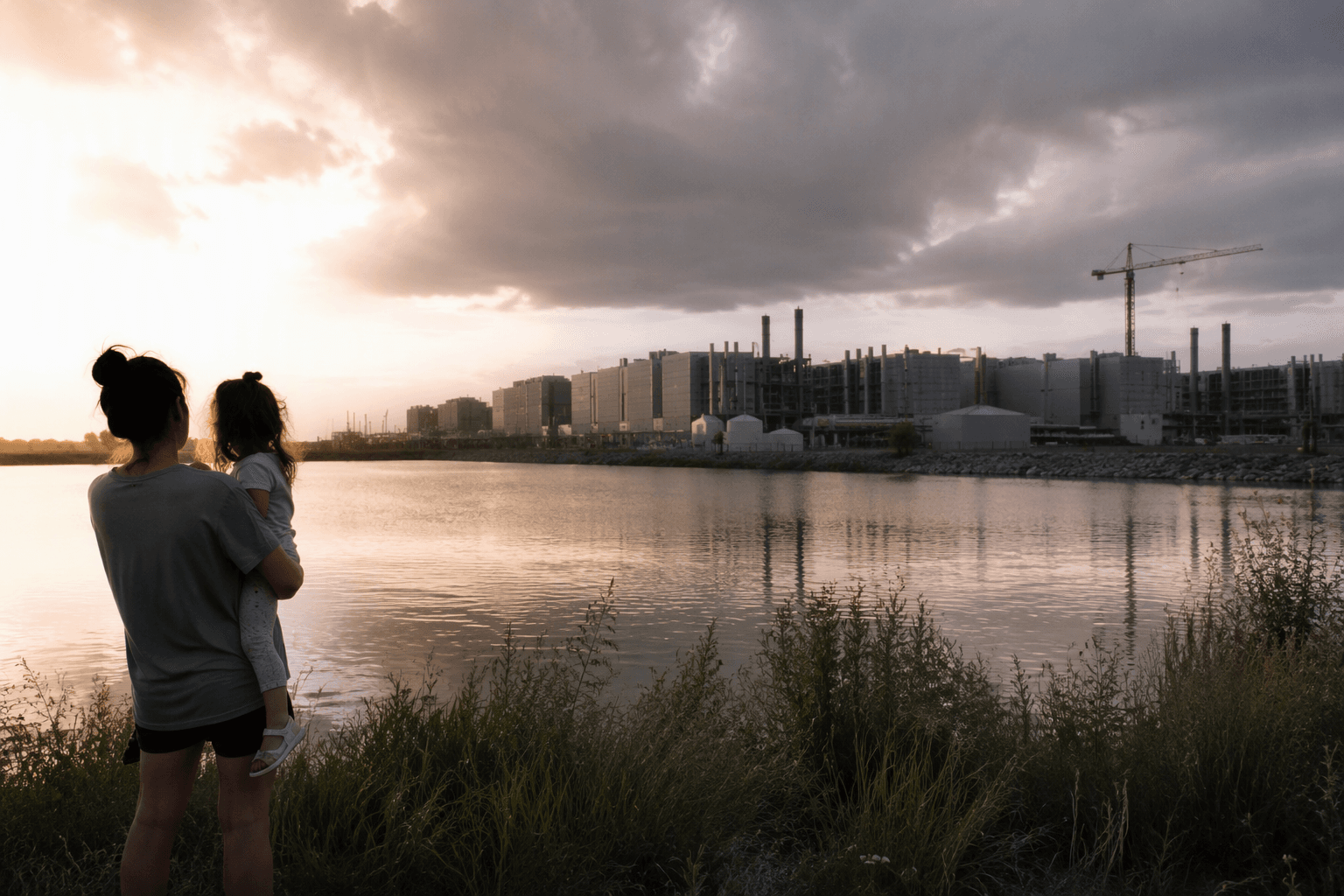
That conflict has also moved into planning boards, zoning fights and state legislation. Local activists and landowners have pushed back against projects and the new transmission lines needed to feed them, especially as data centers spread across western states and place fresh pressure on land and water supplies. A Stanford publication on the West described the facilities as thirsty for both power and water, and the Lincoln Institute of Land Policy has highlighted the land and water impacts of the AI boom.
The utility side of the dispute is becoming just as important as the local politics. Harvard Law School’s Environmental & Energy Law Program has said AI data centers are using more power while regular customers are footing the bill. The American Public Power Association has pointed to community concerns about water use as one reason developers are looking at cooling systems that consume less water, a sign that scarcity and cost are shaping design choices before many projects are even approved.
The backlash has also become part of a broader political conversation. In May, The New York Times described AI populism as a new politics around the technology, framing local resistance as more than a classic not-in-my-backyard reaction. Jasmine Sun has described the fight as one over money, power and populism in the AI buildout, and the numbers now suggest that for many communities the biggest constraint may not be technical capacity, but whether utilities, regulators and neighbors will accept the price of expansion.
This article was produced by Prism’s automated news system from verified source data, official records, and press releases, then run through automated quality and moderation checks before publishing. The system is built and supervised by the people who set the standards it runs under. Read our full AI policy.
Did this article answer your question?