Amid Fashion Week, Sustainable Fashion Evolves with Innovations and Consumer Tips
Fashion Week put sustainability center stage as Cosmopolitan UK flagged practical tips while a Cleaner and Responsible Consumption review of 502 articles ties sustainable fashion to SDGs 12, 9 and 13.
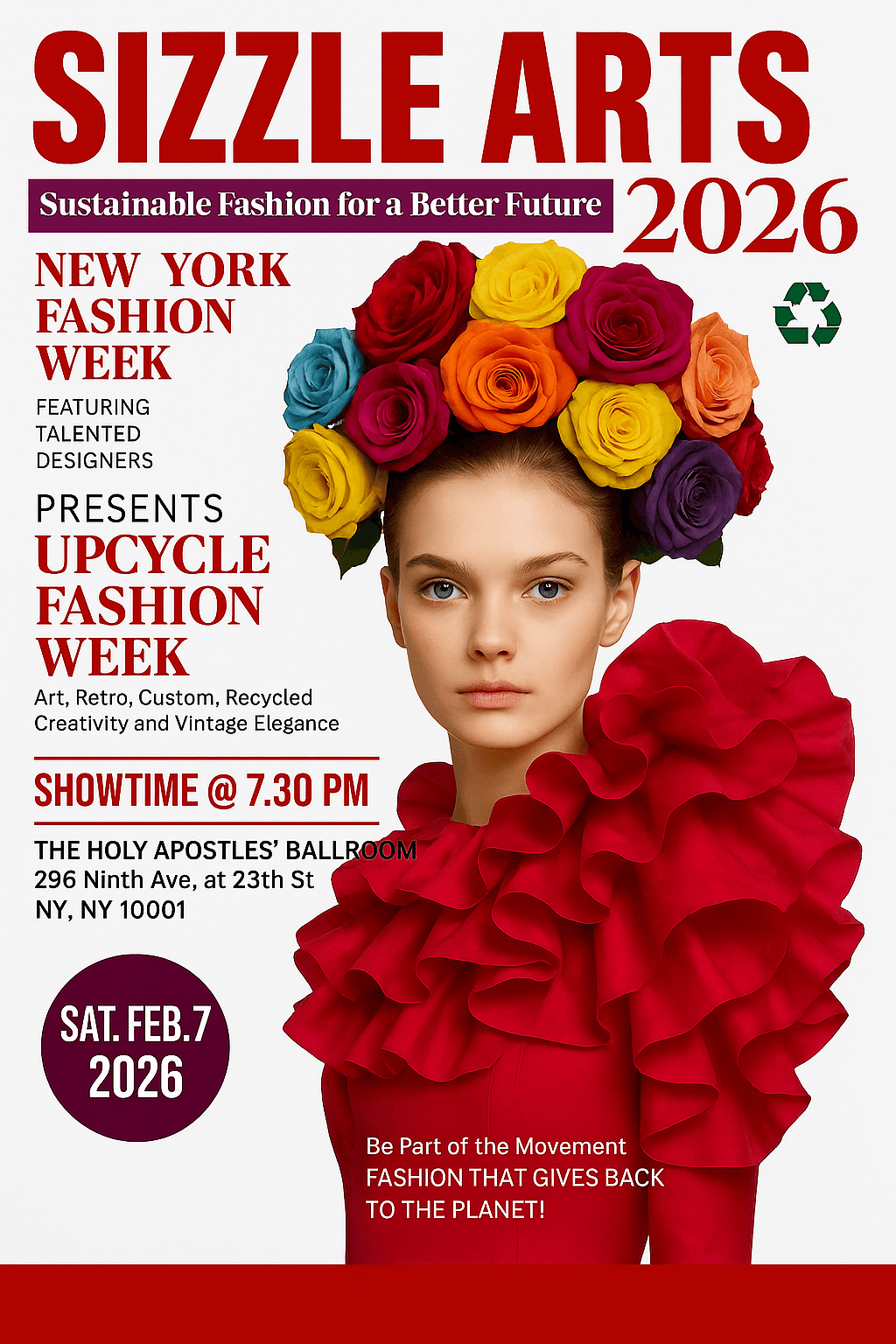
The chatter at Fashion Week landed on one clear demand: make sustainability tangible. Cosmopolitan UK examines how sustainable fashion has evolved and previews future innovations and practical tips for consumers, and that framing showed up everywhere backstage and in showrooms as designers hustled to prove eco-credentials rather than just talk about them.
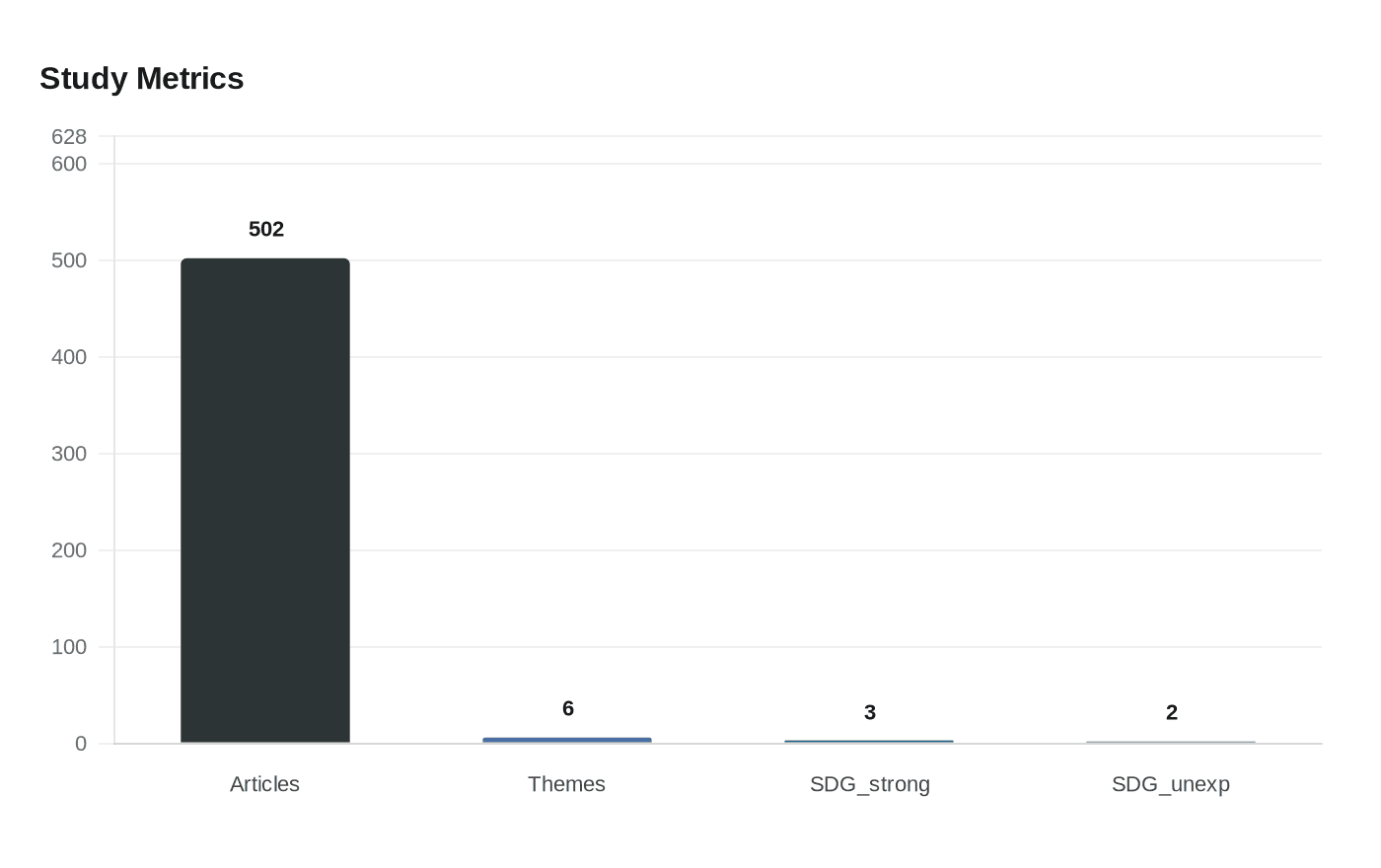
If you want a reality check on where the scholarship and industry actually sit, read the numbers. Cleaner and Responsible Consumption published a review titled "Sustainable fashion and sustainable development goals nexus: A thematic and future-oriented review" in Volume 21, May 2026, article 100397. The study analyzed 502 peer-reviewed journal articles from 2015 to 2024 using BERTopic and the Theory–Context–Characteristics–Method framework to map research trends. Its mapping shows strong associations with SDG 12 - Responsible Consumption and Production, SDG 9 - Industry, Innovation and Infrastructure, and SDG 13 - Climate Action, while SDGs 14 and 15 remain relatively unexplored. That 502-sample is the kind of stat that should sting brands still treating sustainability as a PR checkbox.
The review also clusters scholarship into six clear themes: Sustainable Fashion–Design Education, Consumption Dynamics, Consumption Pioneers, Circular Fashion–Industry Analysis, Eco-Textile Innovation, and Social Media Influence. Those categories show what academia is obsessing over right now - education pipelines, circular systems, and material innovation - which explains why so many shows are trading novelty for technically better textiles and lifecycle storytelling.
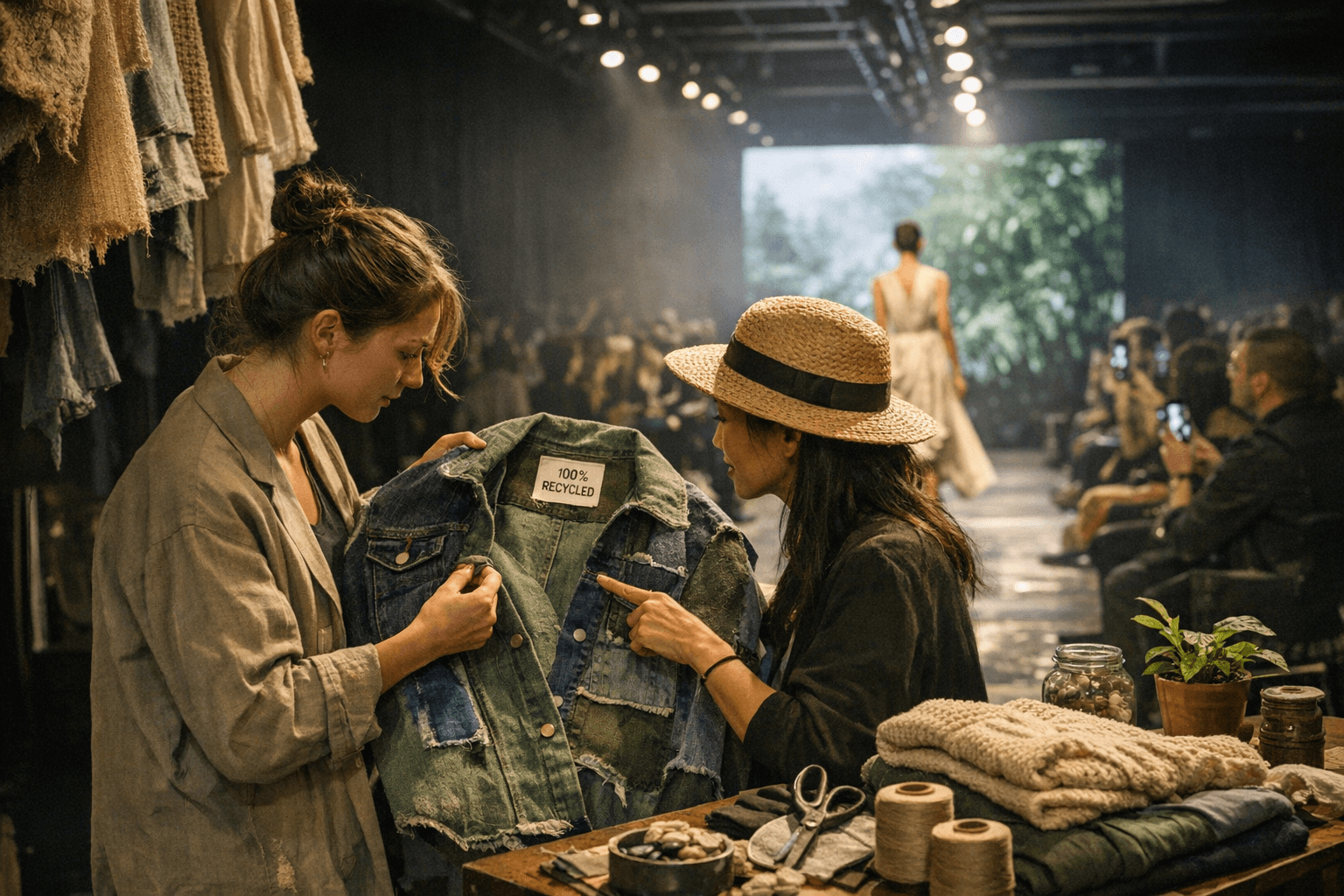
Practical industry promises show up in guides too. Chapter 5 of Your Complete Guide to Ethical and Sustainable Fashion opens with a stance: "As the world grapples with the consequences of climate change and social inequality, sustainable fashion offers a beacon of hope for a more ethical and eco-friendly future." The chapter presses the case for longevity, responsible production, and fair treatment of workers, and it names job creation in recycling, eco-friendly textile production, and sustainable design as direct outcomes of the transition. It explicitly notes that "The rise of sustainable fashion has led to the creation of new jobs in areas such as recycling, eco-friendly textile production, and sustainable design" and posits that moving workers out of fast fashion and into sustainable supply chains could lift work and living standards.
Brands are responding with transparency signals, even if details still need checking. Outlanddenim has blog prompts titled "CHECK OUT OUR B-CORP SCORE" and "READ OUR MODERN SLAVERY STATEMENT HERE" with relative paths /blogs/news/our-highest-b-corp-score-yet and /blogs/news/outland-s-maiden-modern-slavery-statement, proof that certification and statements are now table stakes on brand sites.
Market consequences are blunt: "Brands that prioritise sustainability can differentiate themselves in a crowded market and build strong customer loyalty. Consumers are increasingly willing to pay a premium for products that align with their values." That line from Chapter 5 is why buyers in showrooms are now asking about materials, end-of-life plans, and worker protections before colorways or fit.
The takeaway is simple and urgent: Fashion Week has amplified a shift that scholarship confirms and practitioners are starting to act on. The Cleaner and Responsible Consumption review concludes that the literature "yields a systematic research agenda over TCCM dimensions," which means expect the next wave of innovation to be data-driven, regionally nuanced, and focused on closing gaps around biodiversity and long-term impacts. Sustainability is no longer an accessory; it is the technical work brands must do if they want to stay in the room.
Know something we missed? Have a correction or additional information?
Submit a Tip