Amnesty International Warns 2026 World Cup Faces Huge U.S. Human Rights Risks
Amnesty International called the U.S. a "human rights emergency" ten weeks before the World Cup kicks off, citing mass deportations and protest restrictions threatening fans.
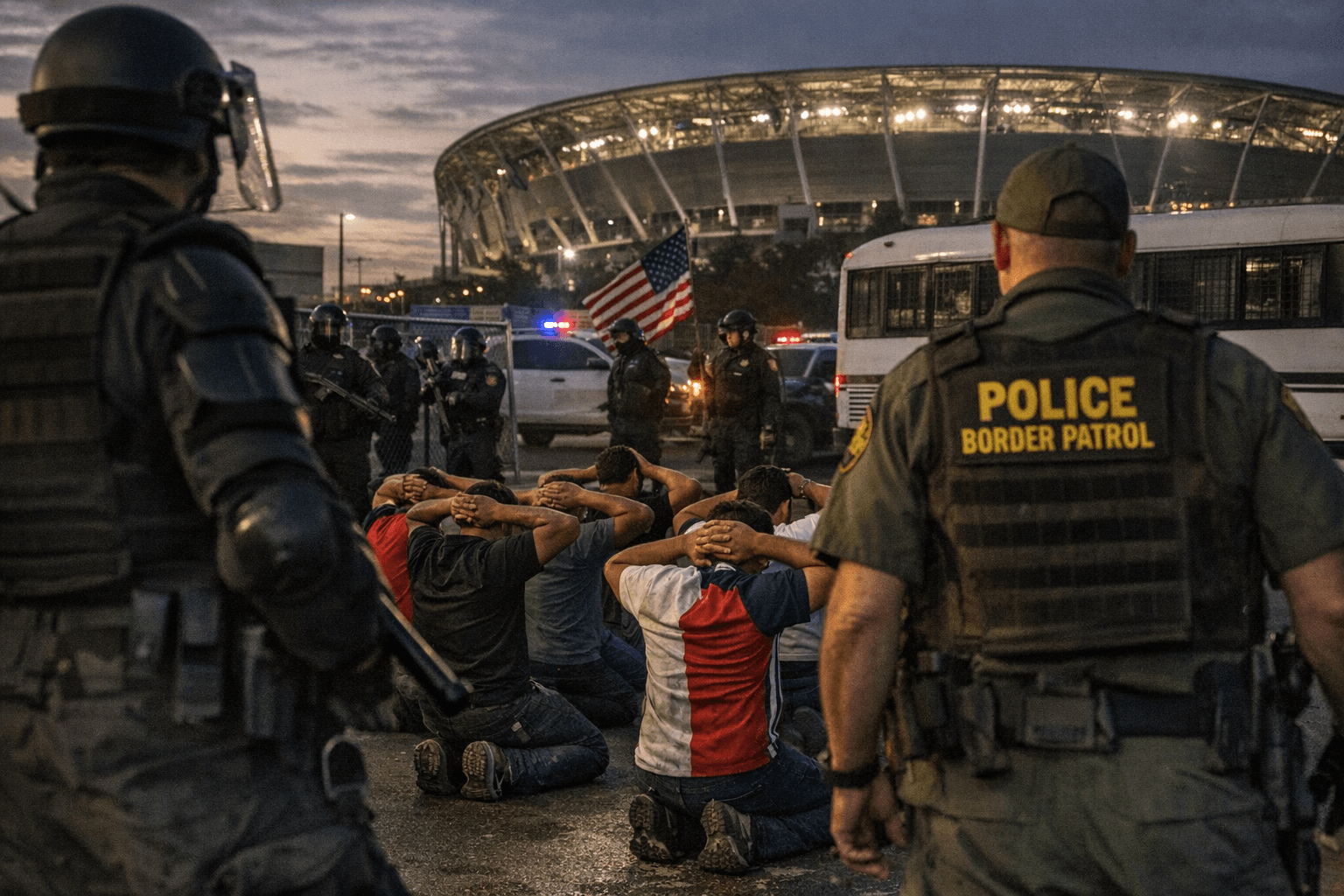
The 2026 FIFA World Cup faces "huge" human rights risks in its U.S. host cities, Amnesty International warned, pointing to mass deportations, restrictive protest policies and effective travel bans for fans from countries including Senegal, Ivory Coast, Haiti and Iran.
Steve Cockburn, Amnesty's head of economic and social justice, put it plainly: "There are huge risks around this tournament. This does not feel like the safe, free, and equal World Cup and the inclusive World Cup that was promised eight years ago when it was awarded."
The warning came roughly ten weeks before kickoff on June 11, when the United States, Mexico and Canada will jointly host the tournament. The U.S., which will stage approximately three-quarters of all matches across multiple cities, sits at the center of Amnesty's concerns. The organization described the country as experiencing a "human rights emergency" driven by aggressive immigration enforcement and tightening limits on public protest.
Amnesty cited more than 500,000 deportations carried out in the previous year and warned that enforcement operations by Immigration and Customs Enforcement could reach into fan zones, watch parties and stadium perimeters during what is expected to be the largest sporting event on U.S. soil in decades.
The organization called on FIFA to use its institutional leverage to extract concrete, public guarantees from the U.S. administration that immigration enforcement will be suspended around stadiums and World Cup-related events. It also urged FIFA to press for lifting travel restrictions that shut out fans from Senegal, Ivory Coast, Haiti and Iran, and demanded explicit protections for LGBTQ+ supporters.
Mexico presents a separate set of concerns. Amnesty warned that Mexican authorities plan to deploy around 100,000 security personnel for the tournament, including 20,000 troops, raising alarms about militarization and the potential suppression of civil liberties in Mexican host cities.
The tournament was billed as an inclusive, continent-wide celebration when FIFA awarded the joint hosting rights eight years ago. That promise, Amnesty argued, has not been matched by the enforcement realities taking shape as kickoff approaches. FIFA was contacted for comment on Amnesty's demands.
If host governments fail to provide binding assurances that policing and immigration enforcement will be kept clear of fan areas and permitted protests, the tournament risks boycotts and organized demonstrations that pull sponsors and broadcasters into an escalating rights controversy. Amnesty's intervention positions FIFA as the critical broker between powerful national authorities and a global audience expecting the free and open World Cup it was originally sold.
This article was produced by Prism’s automated news system from verified source data, official records, and press releases, then run through automated quality and moderation checks before publishing. The system is built and supervised by the people who set the standards it runs under. Read our full AI policy.
Did this article answer your question?