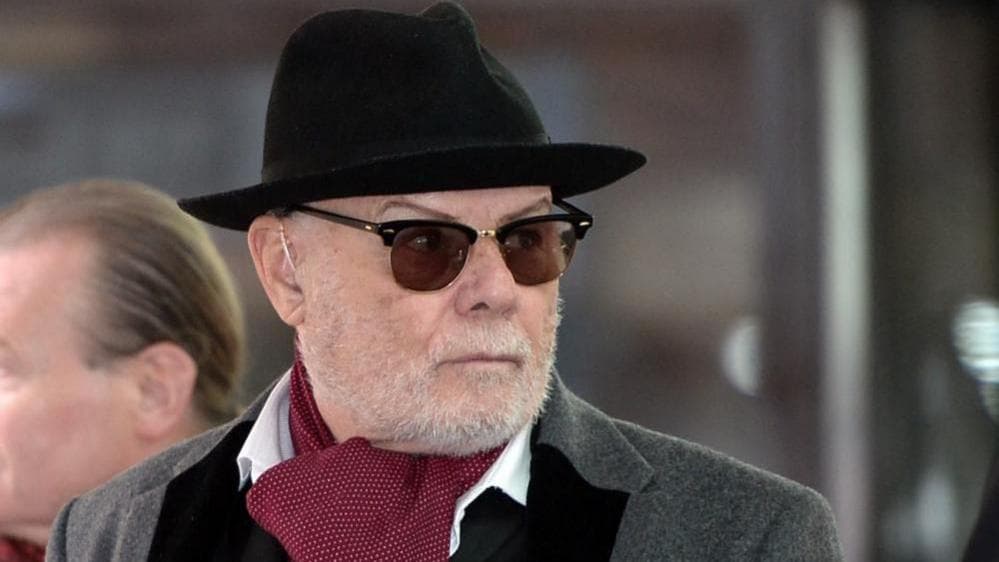
Amos Poe Dies, Champion of New York Punk Cinema Legacy
Amos Poe, a seminal New York filmmaker whose work helped define the downtown punk and independent film movements, died on December 25 in New York City at age 76, his family announced on social media. His passing marks the loss of a chronicler of a gritty, formative era in urban culture and underscores how independent cinema shaped the broader media landscape.

Amos Poe, the New York City based director and screenwriter credited with shaping and documenting the downtown punk and independent film movements, died in New York City on December 25 at age 76 after a battle with cancer, his wife, Claudia Summers, and his daughter, Emily Poe, announced on social media. Born in Tel Aviv on September 30, 1949, Mr. Poe spent his career translating the city’s subcultural energy into a raw, do it yourself cinematic language that influenced generations of filmmakers and artists. Biographical entries describe him as a "pioneering indie filmmaker" and note that he died surrounded by loved ones. He is survived by three children and was married to Sarah Charlesworth from 1983 until 2010 before marrying Ms. Summers in 2019.
Poe’s work occupied a liminal space between documentary impulse and avant garde rebellion, privileging immediacy and the texture of urban life over polished production values. That approach allowed him to capture the friction and urgency of downtown New York during a period when the city’s cultural center of gravity was shifting away from mainstream institutions and toward small clubs, art spaces and self organized film screenings. His films served both as historical record and as manifestos for a new, more autonomous way of making cinema.
From a performance perspective, Poe’s films emphasized presence and authenticity. Actors were often collaborators rather than stars, and the camera favored observation over theatricality. That aesthetic produced work that felt alive to audiences and practitioners, and it seeded a set of techniques and attitudes that reappeared in later waves of independent and low budget filmmaking. As festivals, microcinemas and later streaming platforms sought distinctive voices, the precedents Poe helped establish gained renewed commercial and critical interest, illustrating how underground practice can migrate into viable cultural commodities.
Industry trends that grew from Poe’s era are visible today. Independent film has moved from marginal exhibition outlets into global digital platforms, yet the core challenge remains preserving space for risk taking. Poe’s career highlights the tension between creative independence and market pressures, showing how cultural capital built in small venues can translate into broader influence without surrendering the work’s essential sparseness. His films are part of archives and catalogs that programmers and curators mine when curating retrospectives and restored releases, which in turn feed licensing opportunities and revived audience attention.

Culturally, Poe’s death invites reflection on the role of artists who document subcultures before they are absorbed into mainstream memory. His work preserved a moment of urban frictions, community making and artistic experimentation that offers a counterpoint to sanitized narratives of city life. Socially, that archive matters for debates about gentrification and the economics of creativity, reminding policy makers and cultural institutions that sustaining experimental platforms matters not just for art but for civic vitality.
Amos Poe’s passing closes a chapter on a distinctive strain of American cinema devoted to immediacy and community based creation. The films and the networks he helped build will remain a touchstone for those who believe that cinema can be both a mirror and a motor for cultural change.
This article was produced by Prism’s automated news system from verified source data, official records, and press releases, then run through automated quality and moderation checks before publishing. The system is built and supervised by the people who set the standards it runs under. Read our full AI policy.
Did this article answer your question?