Analysis warns Trump-backed FEMA overhaul could cut disaster aid access
A Trump-backed FEMA overhaul could have left 71% of past disasters outside federal aid, while shifting about $41 billion in costs to states and cities. The fight lands as hurricane season begins.
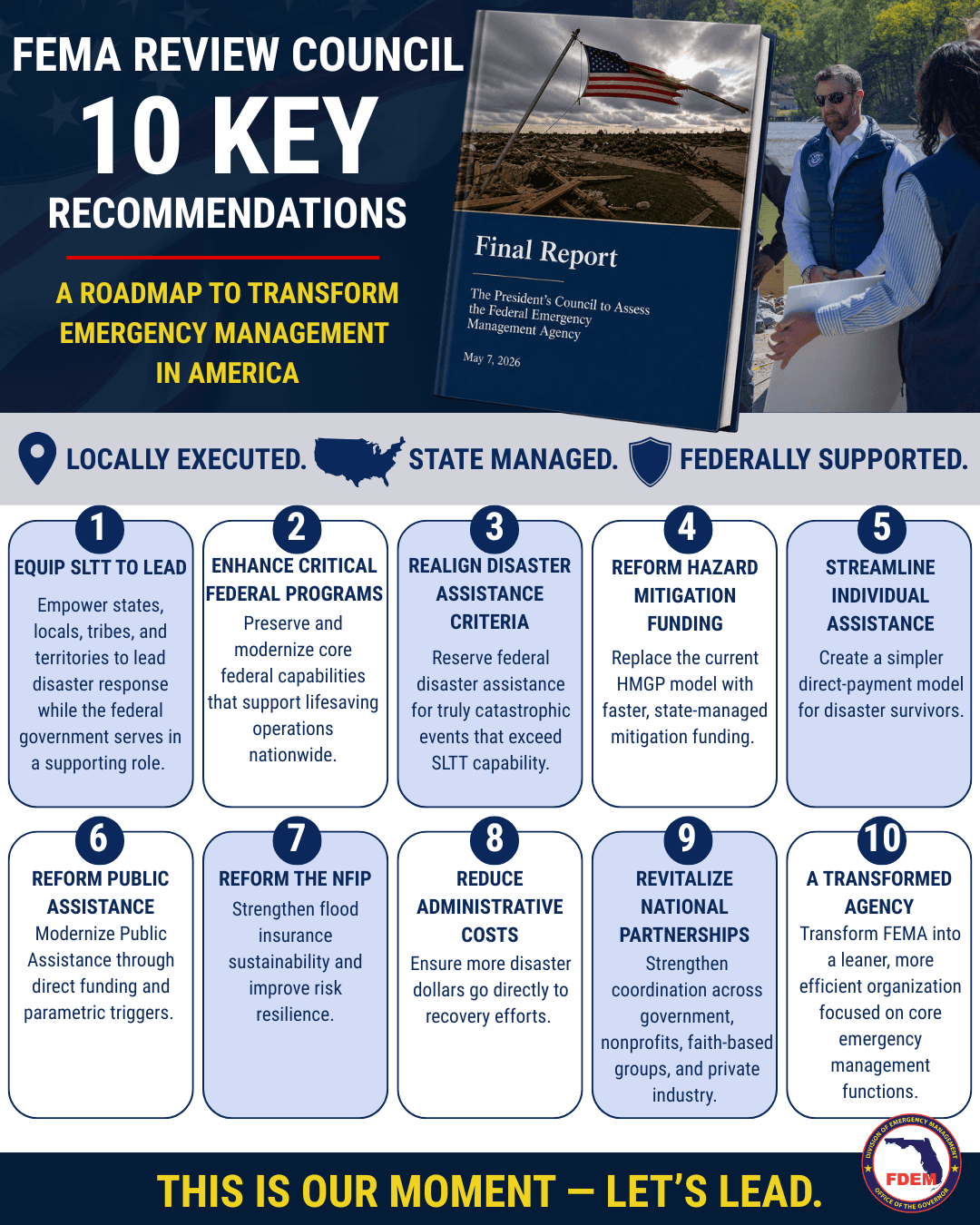
A Trump-appointed panel’s plan to remake FEMA could make disaster aid harder to reach just as hurricane season begins, according to a new analysis that says the overhaul would push more of the burden onto states and local governments. The stakes are most severe for renters, low-income households and communities with weak emergency capacity, where a slower, more fragmented system could determine whether aid arrives at all.
The FEMA Review Council approved its final report on May 7, 2026, after being established by Executive Order 14180 in January 2025. The panel received more than 11,700 public comments, 1,387 survey responses, held 17 listening sessions and engaged 50 states and territories as well as at least 20 tribal nations, according to the Congressional Research Service.
At the center of the debate is access. The Urban Institute estimated that the administration’s proposed changes, including raising the damage threshold for presidential disaster declarations, denying major declarations for snowstorms and limiting the federal cost share for Public Assistance to 75 percent, would have left 71 percent of disasters from 2008 to 2024 without federal aid. Urban also estimated the changes would have shifted about $41 billion in Public Assistance costs to state and local governments. In 2025, the minimum statewide per capita impact needed to meet the threshold for a major declaration was $1.89.
The council’s recommendations reportedly would replace Public Assistance with a direct-funding model sent to states within 30 days of a presidential disaster declaration, based on pre-defined event criteria. They would also replace FEMA’s current 15-category Individual Assistance system with a single payment, offering up to $150,000 for homeowners and up to six months of rent at HUD fair-market rates for renters. Supporters say that could simplify aid. Critics warn that it could also create new bottlenecks if states are left to sort claims, set priorities and stand up systems with uneven staffing and technical capacity.
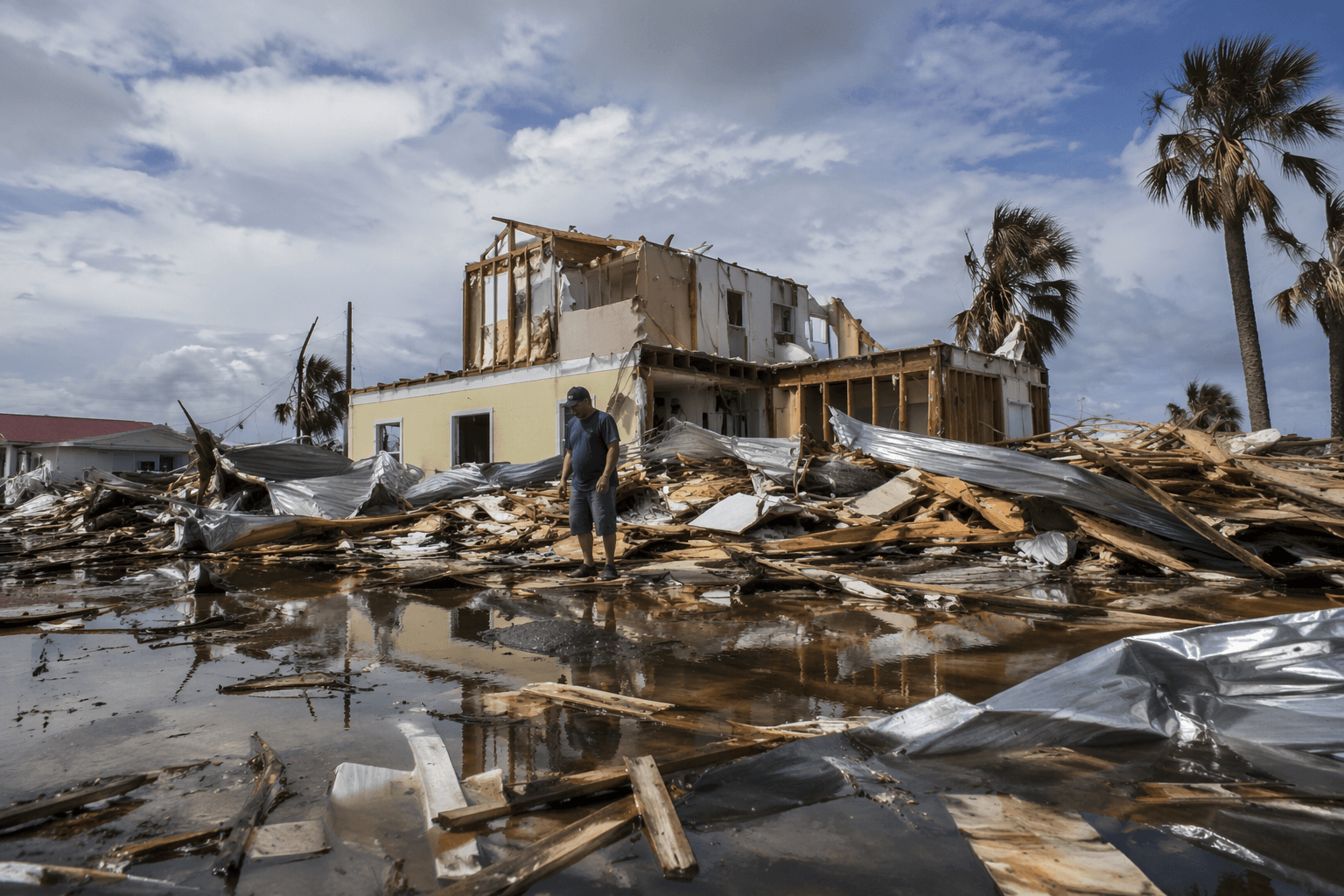
The U.S. Government Accountability Office said the current system already leaves survivors facing serious obstacles. In an April 22, 2026 report, GAO said FEMA provided more than $3 billion to 1.2 million individuals and households after Hurricanes Helene and Milton, the 2025 Los Angeles wildfires and the 2025 Texas floods, but many survivors still faced long waits on FEMA’s helpline, confusion over eligibility letters and major housing problems after the storms. GAO also warned that state and local governments would need time to prepare for any major shift because they rely on significant federal support now.
County and municipal groups have responded cautiously. The National Association of Counties said the most consequential recommendations, including replacing Public Assistance and Individual Assistance, would require acts of Congress and that the path forward remains unclear. The National League of Cities and the International City/County Management Association said the report could significantly reshape federal disaster policy and push much more responsibility onto local governments.
A leaked draft had reportedly included a 50 percent FEMA staffing cut and a rename for the agency, but those ideas did not appear in the final approved version. Even without them, the proposal would move the system away from a federal backstop at the very moment communities from North Carolina to Florida are entering the most dangerous stretch of the year.
This article was produced by Prism’s automated news system from verified source data, official records, and press releases, then run through automated quality and moderation checks before publishing. The system is built and supervised by the people who set the standards it runs under. Read our full AI policy.
Know something we missed? Have a correction or additional information?
Submit a Tip