Analysts Say Iran Has Weeks of Oil Storage Left Amid Tanker Blockade
Iran still had weeks of crude storage left, analysts said, undercutting Trump’s warning that blocked oil would make pipelines “explode” within days.
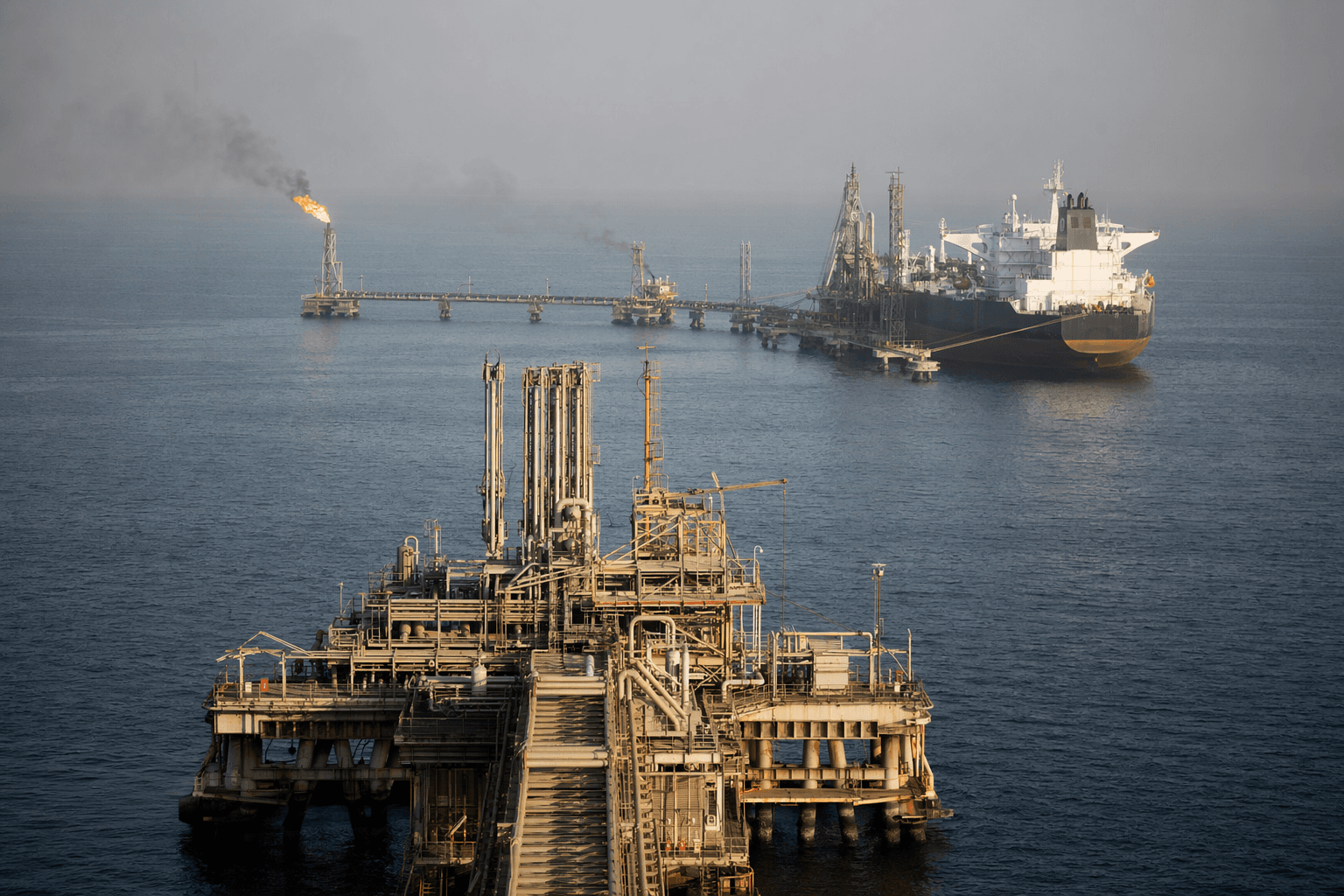
Iran’s oil system was under real strain from the tanker blockade, but analysts said Donald Trump’s warning of a rapid pipeline blowout overstated the immediate risk. A Columbia University Center on Global Energy Policy analysis said the pressure was concentrated at Kharg Island, the country’s main export hub, yet Iran still appeared to have enough storage infrastructure to absorb roughly two to three weeks of crude exports at pre-war levels.
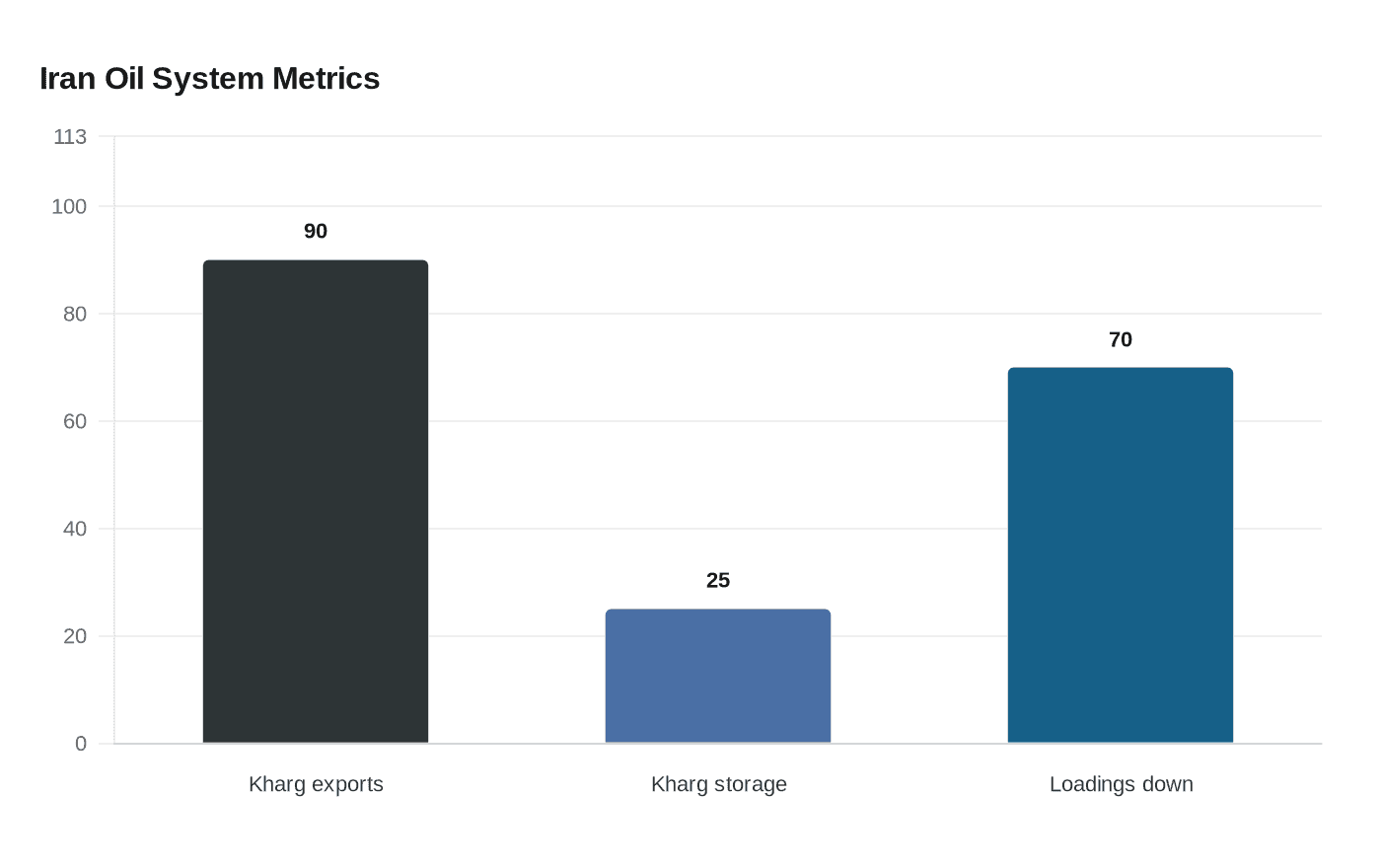
The scale of the bottleneck matters for markets because Kharg Island handles about 90% of Iran’s crude exports and roughly one-fourth of its total storage capacity. Recent estimates put Kharg’s storage at about 30 million to 31 million barrels, with inventories around 18 million barrels in early March. Even with that room shrinking, analysts said the system looked more like a storage-management problem than a sudden mechanical failure of pipelines or wells.
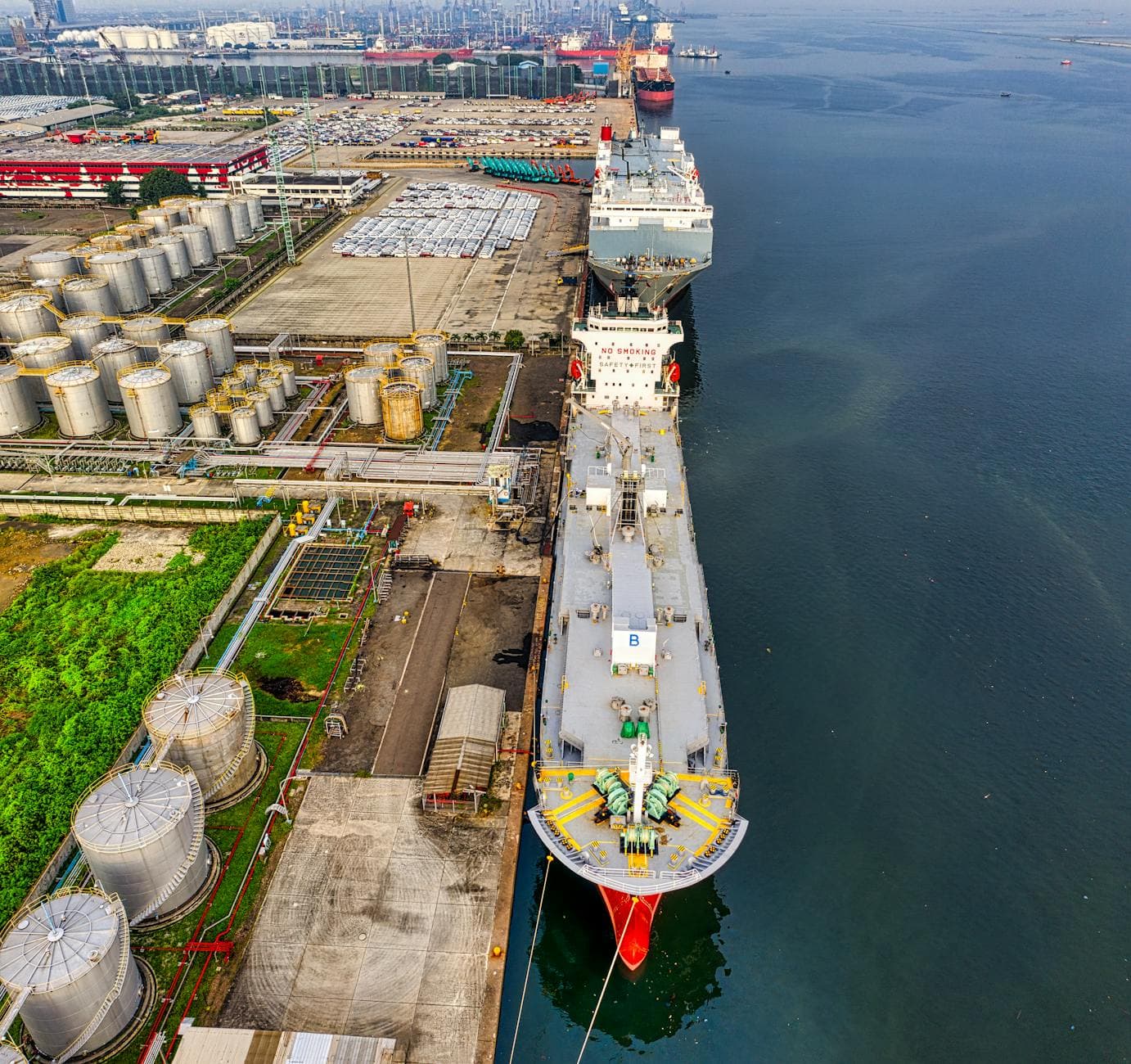
Market data suggested the squeeze was already sharp. A Kpler-based estimate put Iran’s unused storage at only 12 to 22 days and said the country could be forced to cut another 1.5 million barrels a day of output by mid-May if the blockade persisted. That same reading said crude loadings had fallen about 70%, with exports down to roughly 567,000 barrels a day from an average of about 1.85 million barrels a day in March. Kpler also said the financial hit to Iran could take three to four months to fully register because cargoes can take about two months to reach some Chinese ports and buyers may take another two months to settle payments.
The public rhetoric has been far more dramatic. Scott Bessent wrote on April 22 that Kharg Island storage would be full within days and that Iran would then have to shut in wells. Trump said on April 26 that Iran’s oil infrastructure could “explode” within three days if disruptions continued, arguing that blocked oil would build up underground until pipes ruptured. Analysts said the comparison should be viewed against the Covid-era oil glut, when crude tanks filled and U.S. benchmark prices turned negative at Cushing, Oklahoma, a reminder that storage constraints can shock markets without causing the physical catastrophe politicians predict.
Iran does have a back-up route. It opened the Jask terminal on the Gulf of Oman in 2021 to reduce dependence on Kharg and the Strait of Hormuz, but analysts said Jask is not a full substitute for Kharg in large-scale exports. That leaves Tehran with a difficult choice: cut production early to preserve spare storage and avoid damaging wells, or keep pumping until tanks tighten further. The broader economic impact is already visible, with reporting indicating Iran has curtailed as much as 2.5 million barrels per day of crude production, while Saudi Arabia, Iraq, Kuwait and the United Arab Emirates have also trimmed output amid the conflict.
This article was produced by Prism’s automated news system from verified source data, official records, and press releases, then run through automated quality and moderation checks before publishing. The system is built and supervised by the people who set the standards it runs under. Read our full AI policy.
Did this article answer your question?