Analysts Weigh Iran Conflict's Political Impact Ahead of Midterm Elections
Amy Walter warned that a budget boosting only military spending while cutting domestic programs "is not a great pitch" as the Iran war overshadows Republican affordability messaging ahead of November midterms.
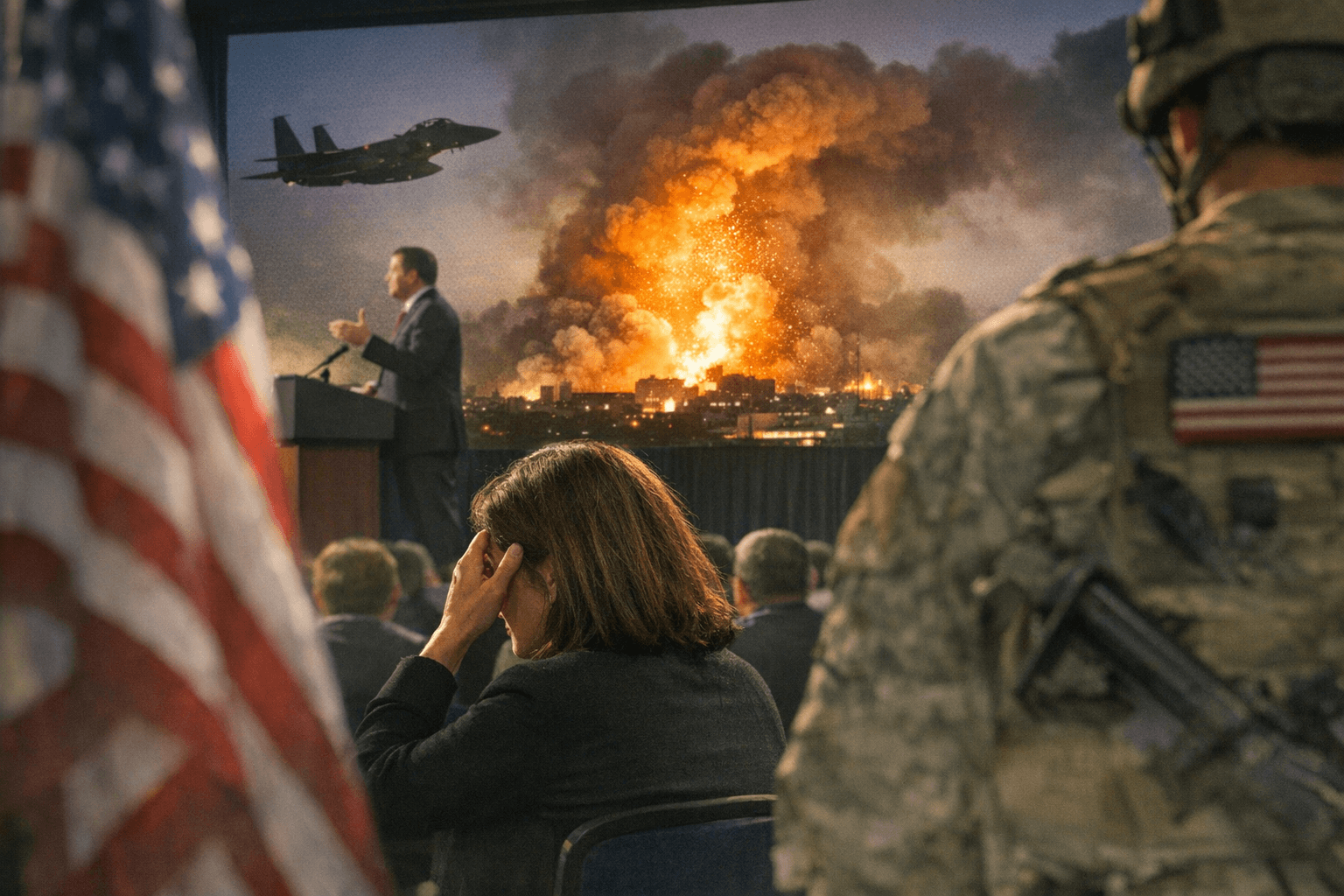
Three of Washington's most closely watched political analysts assembled on "Face the Nation" Sunday to take stock of how the Iran conflict is reshaping the electoral terrain ahead of November's midterm elections, with each offering a version of the same uncomfortable verdict for the White House: the war is complicating nearly every domestic message the administration had planned to run on.
Ed O'Keefe moderated the panel, which brought together David Sanger, White House and national security correspondent for the New York Times and author of "New Cold Wars"; Amy Walter, publisher and editor-in-chief of the Cook Political Report; and Jeff Mason, a Washington correspondent at Bloomberg, making his "Face the Nation" debut.
The conversation opened against a charged backdrop. A U.S. Air Force officer had been rescued alive after an urgent two-day manhunt involving special operations forces in a remote area of Iran, following the downing of an F-15E fighter jet. President Trump had also threatened to escalate attacks unless Iran reopened the Strait of Hormuz.
O'Keefe asked Mason directly how the White House effort to frame the war favorably was landing with the American public. Mason's reply was blunt: "Well, number one, I think it's right to call it a sales pitch."
The economic collision with the war emerged as the panel's sharpest focus. Sanger put the price tag on the table: $1.5 trillion. Walter seized on that figure to draw the political tension into relief. "That cuts against everything you're saying, we need to make life more affordable," she said. "Our number one priority is to make life more affordable for Americans. To release a budget that increases money only for the military and then cuts domestic programs is not a great pitch."
The electoral arithmetic underlying Walter's concern is visible in Cook Political Report's own race ratings, where competitive House districts in states like Iowa hinge on whether Republicans can sustain their cost-of-living argument. Rising gas prices, climbing mortgage rates, and persistent inflation have already been complicating that case before any defense budget fight materializes.
The panel also dissected a presidential comment that landed awkwardly mid-week, in which Trump suggested the federal government's proper scope is military protection and that states should bear responsibility for Medicare, Medicaid, and daycare. Mason predicted the remark would haunt Republicans in campaign advertising, saying it was "one for Democrats," and added that the president "risks not just losing some Dems, certainly independents going into this election, but he's testing the tolerance of his base."
The broader strategic uncertainty surrounding the conflict shadowed the panel throughout. Sanger, whose reporting on national security spans decades of U.S. engagement in the Middle East, has tracked how military commitments tend to expand beyond initial public framing, a dynamic that several of Sunday's guests across the full broadcast addressed directly. The through-line across the broadcast's interviews was a consistent observation that the administration has moved faster than its answers.
With midterm primaries approaching and competitive seats in play across both chambers, the Iran conflict has injected a variable into the election cycle that neither party had fully priced in. For Republicans defending a House majority on an affordability platform, Walter's framing poses the central challenge: a wartime budget and a cost-of-living message are, at minimum, in tension, and November is not far away.
This article was produced by Prism’s automated news system from verified source data, official records, and press releases, then run through automated quality and moderation checks before publishing. The system is built and supervised by the people who set the standards it runs under. Read our full AI policy.
Did this article answer your question?

