Andrew and Tristan Tate arrested in Miami on sealed warrant
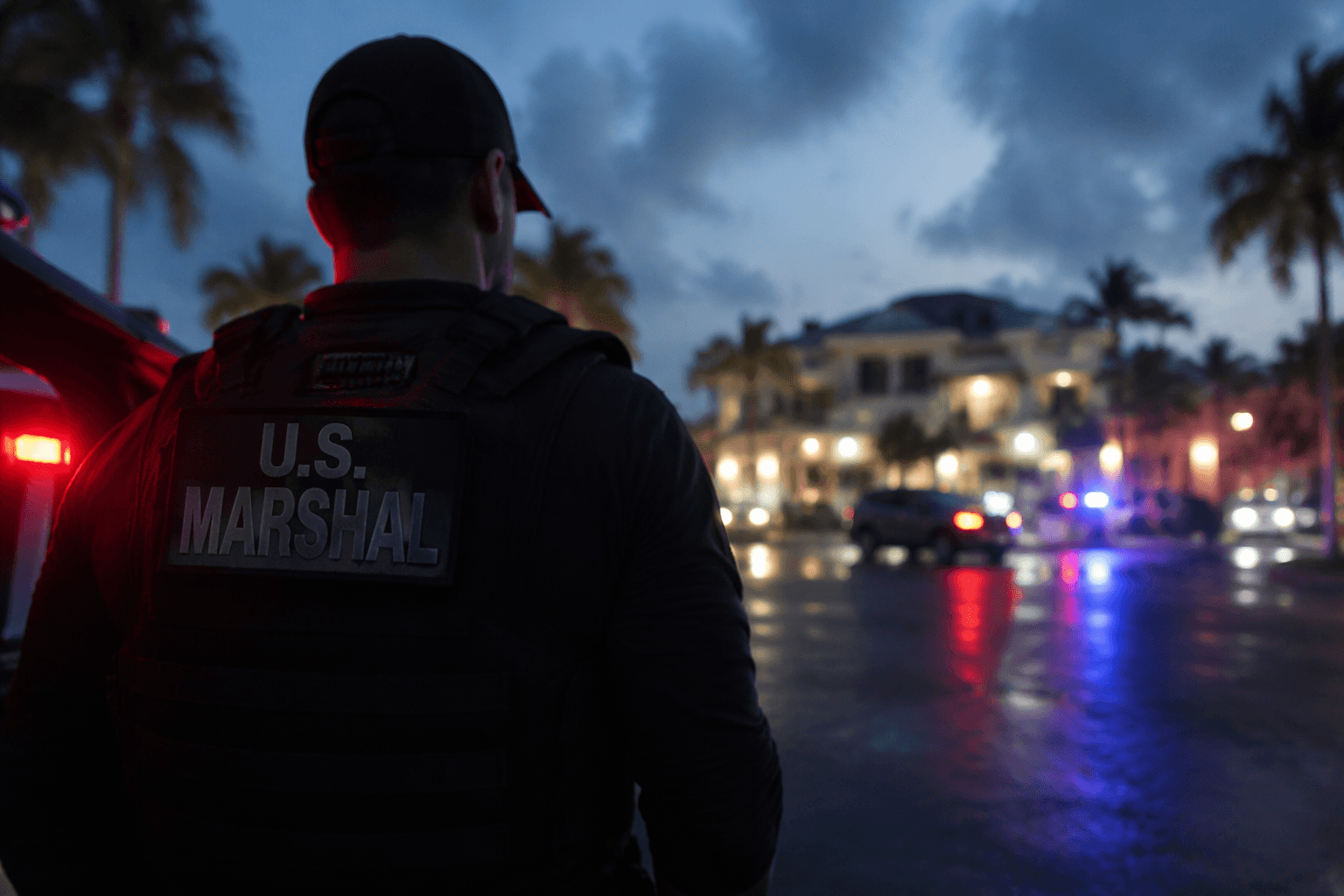
U.S. Marshals arrested Andrew and Tristan Tate in Miami on a sealed warrant as Britain sought extradition over rape and sex trafficking charges.

U.S. Marshals Service agents arrested Andrew Tate and Tristan Tate in Miami and took them into custody on a sealed warrant as British prosecutors moved to extradite the brothers to the United Kingdom on rape and sex trafficking charges. The arrest pulled two of the internet’s most polarizing figures back into a legal fight that now stretches across the U.S., Britain and Romania.
The Tate brothers built a transnational audience online by promoting wealth, male dominance and misogyny, turning outrage into attention and attention into influence. That digital reach has helped make the brothers known well beyond their home base, but it has also made each new allegation carry farther, drawing scrutiny from law enforcement and political leaders in multiple countries.
The British Crown Prosecution Service has said its case involves sexual offenses reported by seven victims. British prosecutors have also brought additional charges tied to the same allegations, while the brothers continue to deny the accusations. Separate coverage has described the new British case as including rape, actual bodily harm and human trafficking.
Romanian authorities already charged Andrew Tate and Tristan Tate with rape, human trafficking and money laundering, and the brothers traveled to the United States after Romanian prosecutors allowed them to leave while that case remained active. Their move to Florida did not end the legal pressure. In 2025, Florida Attorney General James Uthmeier’s office opened a criminal investigation after the brothers arrived in South Florida from Romania, and state officials issued search warrants and subpoenas.
The Miami arrest gave the case another American dimension. It placed the Tate brothers, whose careers have depended on online visibility and global reach, under direct federal custody while British authorities pursue extradition and European prosecutors keep their own case alive. For a pair of influencers who monetized notoriety and built a following across borders, the latest arrest showed that digital fame does not erase the reach of police, prosecutors or courts.
This article was produced by Prism’s automated news system from verified source data, official records, and press releases, then run through automated quality and moderation checks before publishing. The system is built and supervised by the people who set the standards it runs under. Read our full AI policy.
Did this article answer your question?