Andrew Benson answers F1 questions before the Canadian Grand Prix
Max Verstappen's Nordschleife win shows why F1 crossovers are rare: contracts, calendars, sponsors and safety rules keep most stars home.
Why Verstappen's detour matters
Max Verstappen's GT3 win at the Nürburgring Nordschleife is the rare crossover that makes Formula 1 fans imagine a more fluid motorsport world. It also shows why that world seldom exists in practice: modern F1 is built around strict team obligations, commercial commitments and tightly controlled competition rules, so the road out of the paddock is far narrower than it once was.
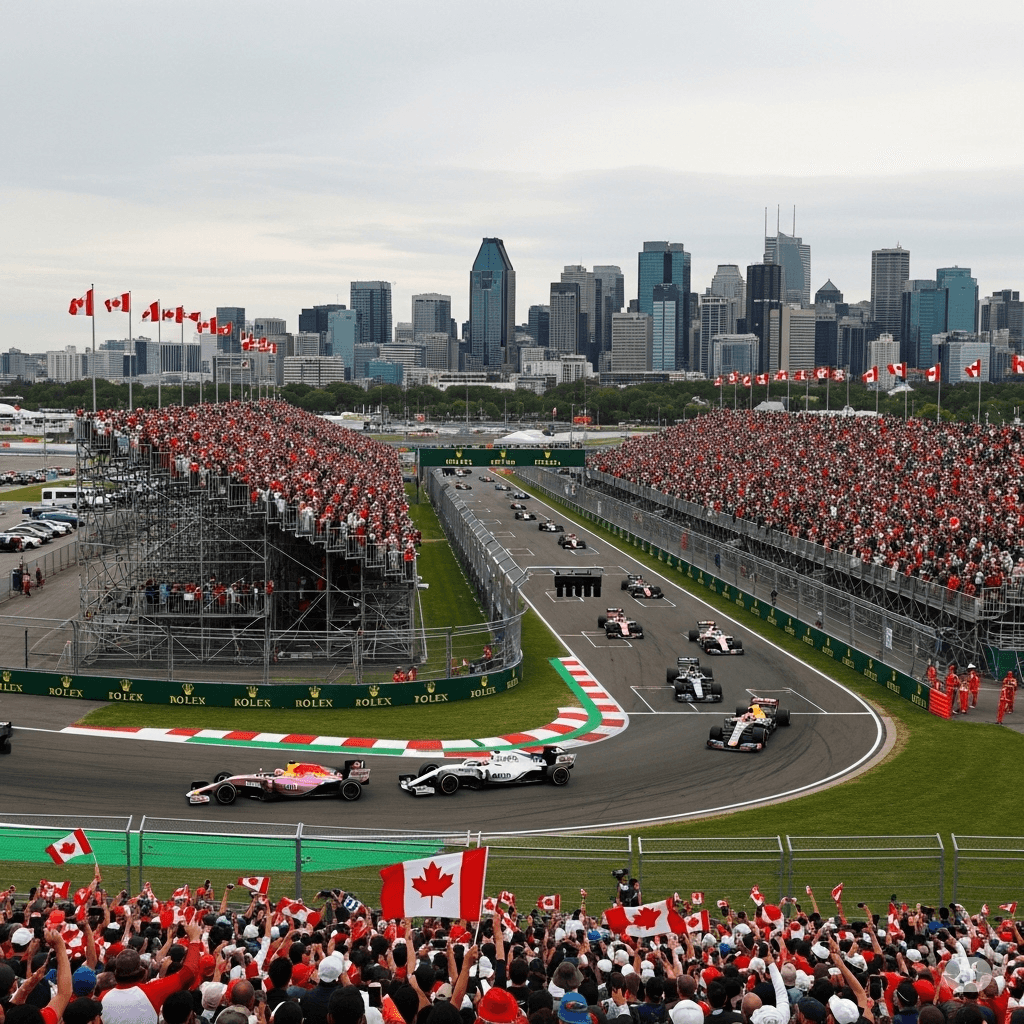
That tension sits at the heart of Andrew Benson's pre-Canadian Grand Prix Q&A. The immediate backdrop is Montreal, where George Russell arrives as last year’s winner and Kimi Antonelli leads him by 20 points in the drivers’ championship. The larger question, though, is why Verstappen can go endurance racing while most of his peers stay locked into Formula 1.
Why the doors open only for a few
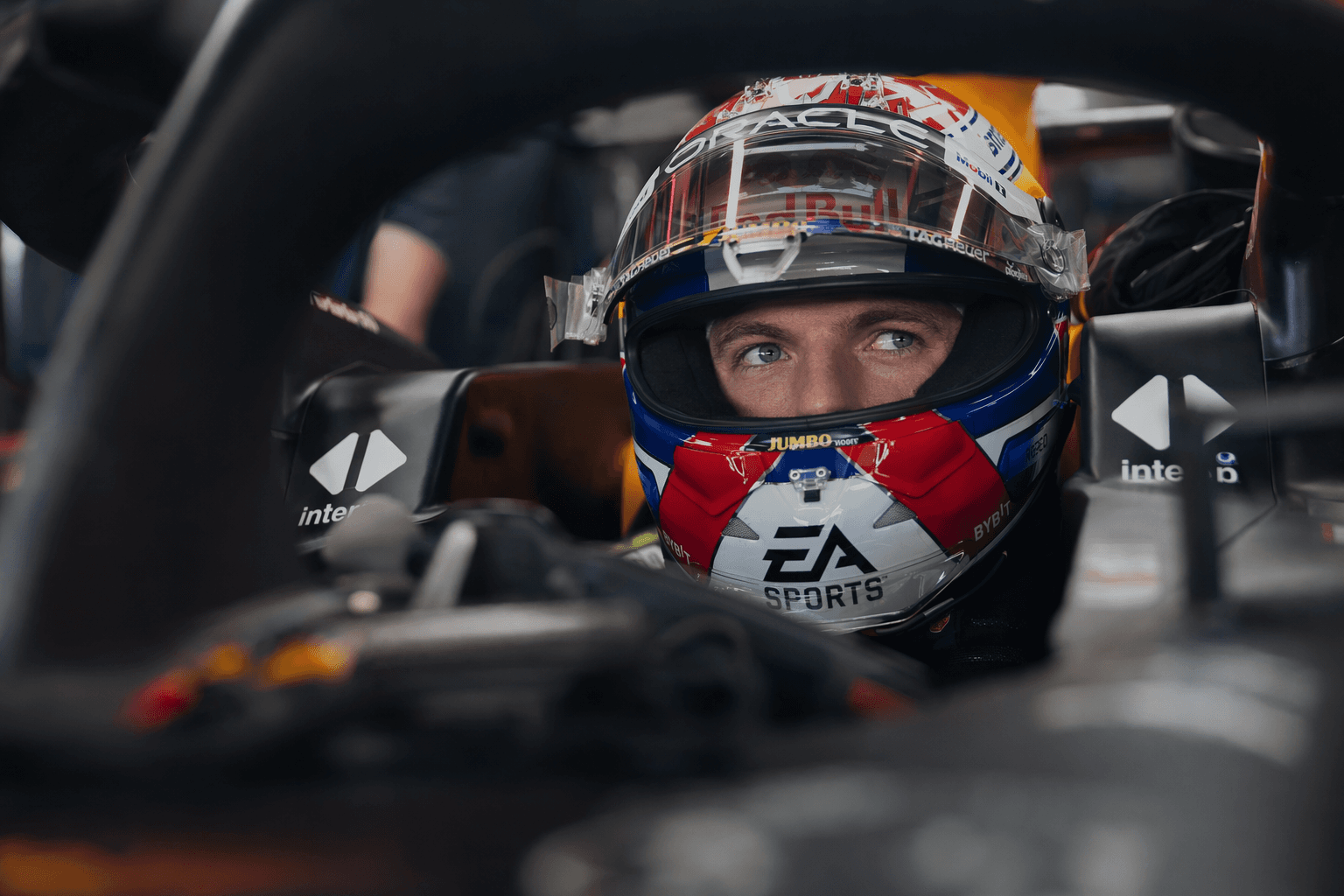
Verstappen's off-track racing is not a casual outing. In September 2025, he won on his GT3 race debut at the Nordschleife alongside Chris Lulham in the ninth round of the Nürburgring Langstrecken-Serie. Before that, he had competed there under the pseudonym Franz Hermann during an official NLS test, and that outing helped him secure the permit required to race GT3-class events at the circuit.
That route matters because it underlines the exception, not the rule. Even Verstappen had to navigate an official testing process and the licensing requirements that come with one of the world's most demanding circuits. When a reigning F1 star needs a separate permit to race elsewhere, the message is clear: crossover is possible, but it is not simple.
The current Formula 1 environment also leaves little room for improvisation. The FIA's 2026 Formula 1 sporting regulations are published and current after approval on February 27, 2026, and F1 remains tightly governed by team commitments and official competition procedures. In practice, that means drivers are not just athletes. They are tightly managed assets inside a schedule and legal framework that leaves limited space for outside appearances.
The barriers that keep most drivers in lane
The first barrier is contractual. F1 contracts typically control where drivers appear, what they race, and how they use their time away from Grand Prix weekends. Teams are paying for performance, development work and availability, so any outside race introduces a risk to the job they are already being paid to do.
The second barrier is team risk. A driver’s injury in another series can affect a title fight, a Constructors' Championship campaign, or a development programme that has already been built around that driver's feedback. That is why even drivers with the skill to switch disciplines can find the practical answer to be no, especially if their team views the outside event as unnecessary exposure.
Sponsor obligations add another layer. F1 drivers are attached to major commercial partners whose priorities do not always align with a one-off run in endurance racing, IndyCar or a sports car event. A special appearance might be legally possible, but if it clashes with branding, media duties or team marketing plans, the idea often stalls before it reaches the entry list.
Safety differences matter too. The Nordschleife remains a famously punishing venue, and endurance racing brings its own challenges in traffic management, night running and long stints. Even when a driver has the ability to adapt, the exposure to unfamiliar machinery, different racecraft and another set of safety expectations creates a higher threshold than fans sometimes assume.
Calendar conflicts may be the simplest barrier of all. Formula 1 now runs on a dense global schedule, and the modern calendar leaves fewer free weekends than the sport did in earlier eras. When travel, simulator work, sponsor events and technical briefings are added together, the idea of slipping into another championship becomes a logistical puzzle, not a spontaneous adventure.
History shows that crossover used to be more common
The fascination with cross-series racing comes from motorsport's own history. Formula 1's retrospective material points to Fernando Alonso as a modern example, with spells in IndyCar and WEC. That kind of versatility is part of why Alonso has long been seen as one of the most adaptable drivers of his generation.
The Daytona 24 Hours also shows how deep those overlaps once ran. One motorsport history source says nearly 200 drivers who raced in Formula 1 have also competed at Daytona, including 36 F1 race winners and six world champions. Alonso and Lando Norris were both part of that story in 2018, reinforcing the idea that elite drivers have long been willing to sample the biggest events outside their core series.
Jackie Stewart is the classic reference point for that earlier era. He raced in Formula 1 from 1965 to 1973, won world championships in 1969, 1971 and 1973, and retired with 27 Grand Prix victories. His career belongs to a time when cross-category participation was far less tightly policed and the boundaries between major series were more porous.
What Verstappen's example really proves
Daniel Juncadella's view that Verstappen's involvement has helped boost interest in endurance racing points to a broader truth: a single star can still shine a light on a different branch of motorsport. Verstappen's Nordschleife appearance did not rewrite the rules, but it did remind the paddock that drivers do not lose their curiosity simply because they reach Formula 1.
Even so, the current system still works against regular crossover. The mix of contracts, sponsor commitments, safety considerations and packed calendars explains why fans' crossover fantasies rarely become reality. Verstappen's GT3 success is compelling precisely because it stands out against that backdrop, a reminder that modern Formula 1 keeps its stars close, even when the wider motorsport world would welcome them elsewhere.
Know something we missed? Have a correction or additional information?
Submit a Tip