Android phones now share files directly with Macs, iPhones and iPads
Android and Apple finally opened a direct file bridge, but only for a few phones. Most Android-to-Mac users still rely on awkward workarounds.
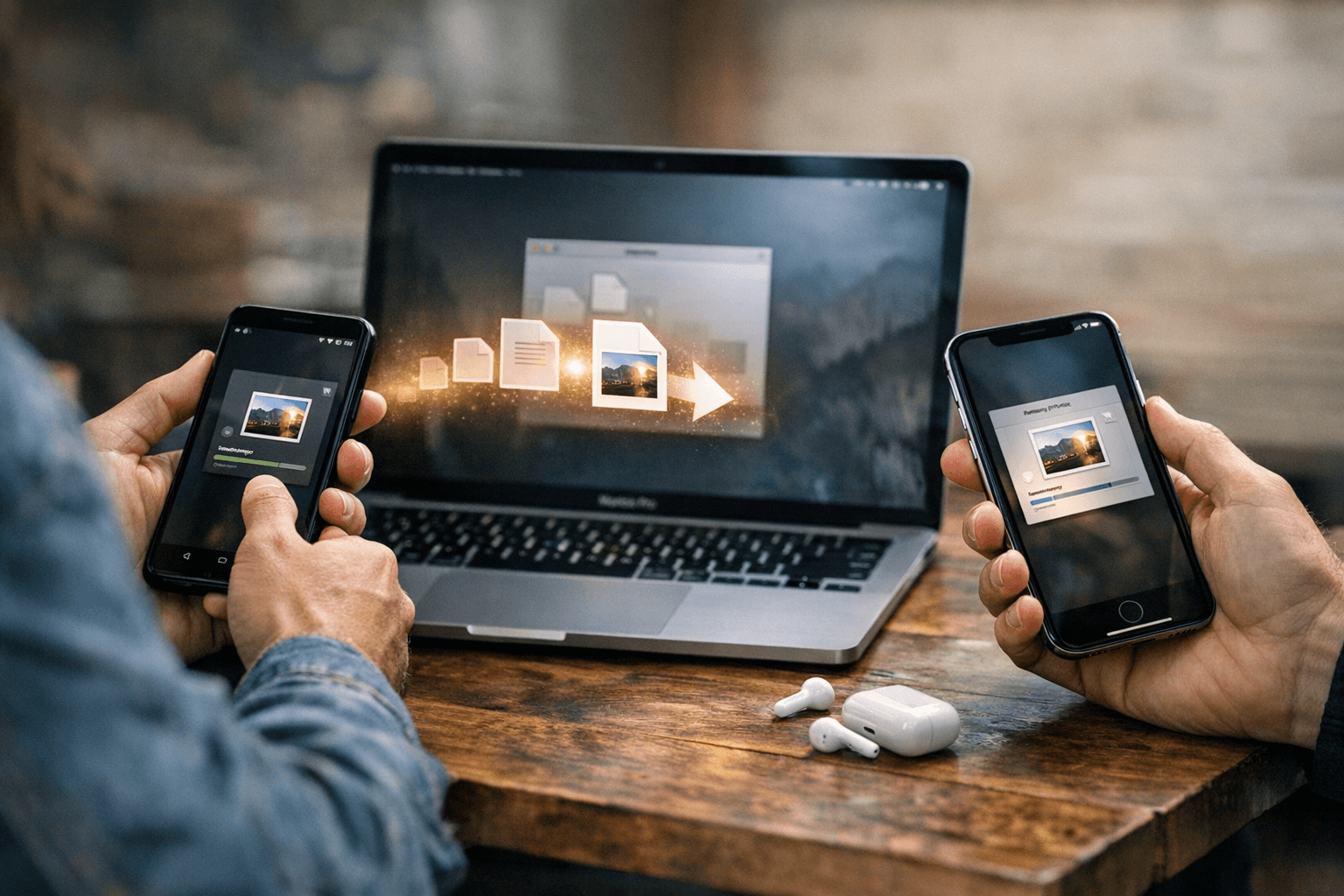
Android phones and Macs still do not talk to each other smoothly, and that remains a daily annoyance for people trying to move photos, work documents and messaging attachments between the two ecosystems. A MacBook Air can be a strong workstation, and Android phones can be excellent daily drivers, but the handoff between them has long been the weak link.
That started to change only for a narrow slice of devices. Google said on November 20, 2025 that Quick Share on the Pixel 10 family could work with Apple’s AirDrop, and described the system as built with strong security safeguards tested by independent security experts. Google’s Android pages now say supported Android devices can use Quick Share with AirDrop, although Quick Share is still presented mainly as a way to share between Android phones, Chromebooks and Windows PCs.
Samsung followed with its own version of the same idea. The company said AirDrop support was coming to Quick Share on the Galaxy S26 series, with rollout beginning March 23, 2026 and availability expanding by region. Samsung said the feature was initially limited to the S26 line, which means the change is real but still far from universal for the broader Android market.
For everyone else, the experience is still a patchwork of third-party fixes. Android File Transfer for Mac has been widely reported as discontinued, leaving users to lean on tools such as NearDrop and similar Nearby Share clients when they want a file to move from a phone to a Mac without cables or cloud detours. That is the clearest sign that this is still a consumer-friction story, not a finished platform feature. The basic task of moving a PDF, a batch of camera photos or a screenshot from Android to macOS remains more complicated than it should be.
Nothing’s new Warp product underscores the gap. The company unveiled Nothing Warp as an Android app paired with a Chromium-browser extension for macOS, Windows and Linux. It transfers files, links, images and clipboard text in both directions, using a user’s private Google Drive as a temporary bridge and not storing the files itself, according to Nothing. The company said Warp works with any Android phone.
The broader market implication is simple: Google and Samsung have made progress on cross-platform sharing, but only through device-specific rollouts that leave most Android owners outside the fence. Until a native, universal standard reaches more phones, Macs will keep forcing Android users back to workarounds for one of computing’s most basic chores.
This article was produced by Prism’s automated news system from verified source data, official records, and press releases, then run through automated quality and moderation checks before publishing. The system is built and supervised by the people who set the standards it runs under. Read our full AI policy.
Did this article answer your question?