Andy Burnham returns to Parliament, fueling Labour leadership challenge
Andy Burnham won Makerfield with 54.8% and a 9,241-vote majority, returning to Westminster and putting Keir Starmer on notice. Labour's deeper problems remain.
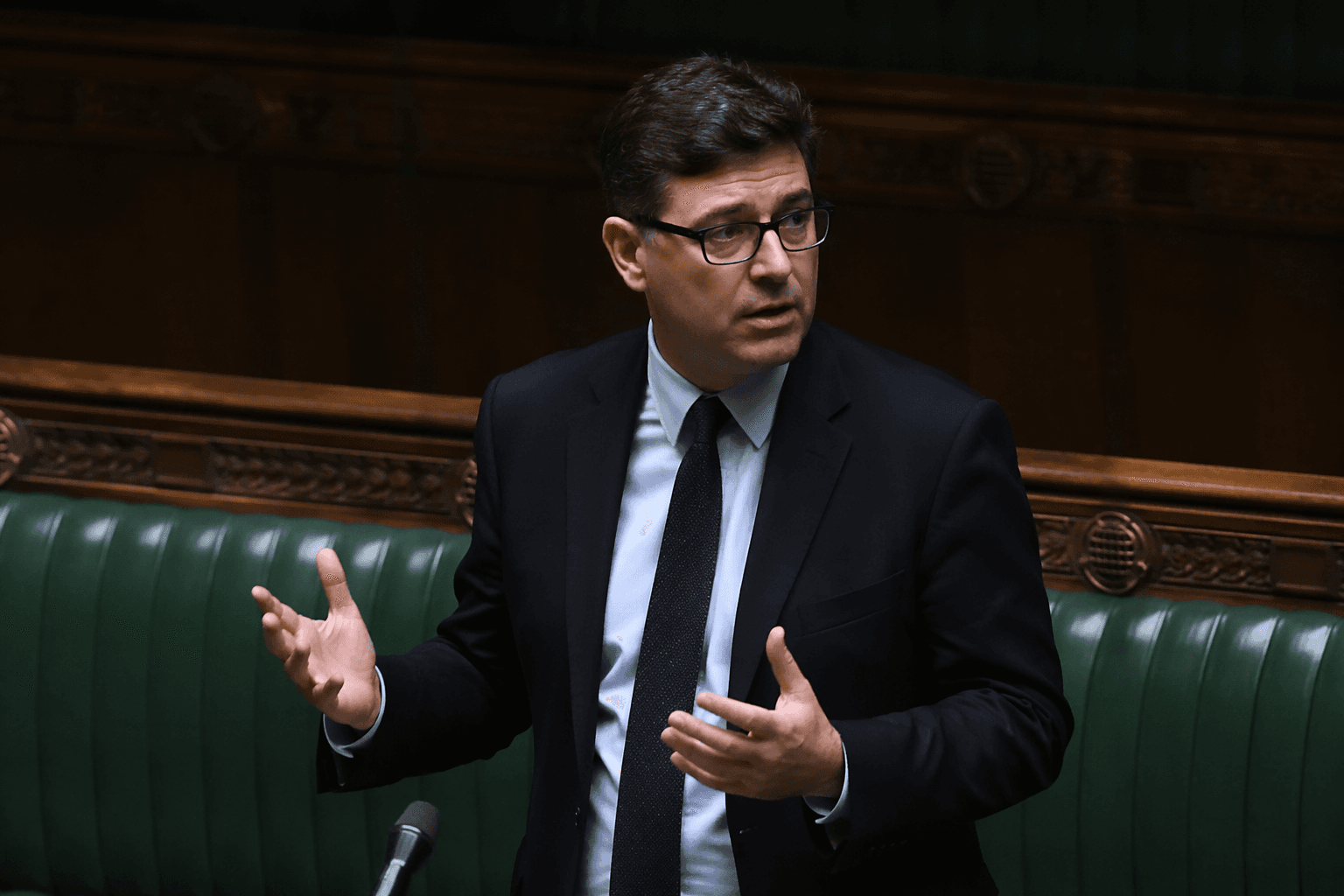
Andy Burnham is back in the Commons after a by-election designed to reopen the path to Labour’s most popular alternative to Keir Starmer. He won Makerfield on June 18 with 54.8% of the vote, a 9,241-vote majority over Reform UK’s Robert Kenyon, and his return immediately sharpened the question of whether Labour’s problem is leadership or something deeper.
The seat was engineered for that purpose. Josh Simons resigned on May 14 to create the vacancy, making Makerfield a rare case of an MP stepping aside so someone outside Parliament could enter and become eligible to challenge for the leadership. It was the first by-election triggered specifically for an outsider since the 1965 Leyton contest, a sign of how unusual Labour’s calculation had become.
Burnham’s comeback restores a career that has already spanned Westminster and local government. He served as Labour MP for Leigh from 2001 to 2017, held cabinet posts under Gordon Brown, and then became mayor of Greater Manchester on May 8, 2017. He was re-elected in 2021 and 2024, building a public profile that has long outstripped most Labour figures and now makes him the party’s most credible internal rival.
That popularity does not erase the political arithmetic facing Labour. Starmer’s position has deteriorated since Labour’s landslide in July 2024, with bruising losses in England’s local elections in May 2026 and growing pressure from Reform UK in working-class and northern constituencies. Ipsos polling in mid-June showed Burnham as the most popular current Labour politician, while Starmer’s ratings stood at about 20% favourable and 58% unfavourable.
Even if Burnham chooses to challenge, Labour’s rules make the route hard. An MP challenger must win nominations from 20% of Labour MPs, which now means 81 MPs, and the incumbent leader automatically goes onto the ballot in a membership contest. Starmer has said he will not walk away and will fight any leadership challenge, even as some colleagues urge him to leave with dignity.
That leaves Burnham with the same burden Starmer faces, only with a stronger personal brand. Labour still has to answer anger over the cost of living, a weak approval rating, and Reform’s appeal in seats that once looked secure. Burnham can change the argument inside Labour, but he cannot by himself change the governing math that now defines Britain’s political landscape.
This article was produced by Prism’s automated news system from verified source data, official records, and press releases, then run through automated quality and moderation checks before publishing. The system is built and supervised by the people who set the standards it runs under. Read our full AI policy.
Did this article answer your question?

