Andy Burnham's mayoralty shaped his pitch for Britain
Burnham turned Greater Manchester into a proving ground for devolution, using homelessness, Covid and clean-air battles to build a national case for power.
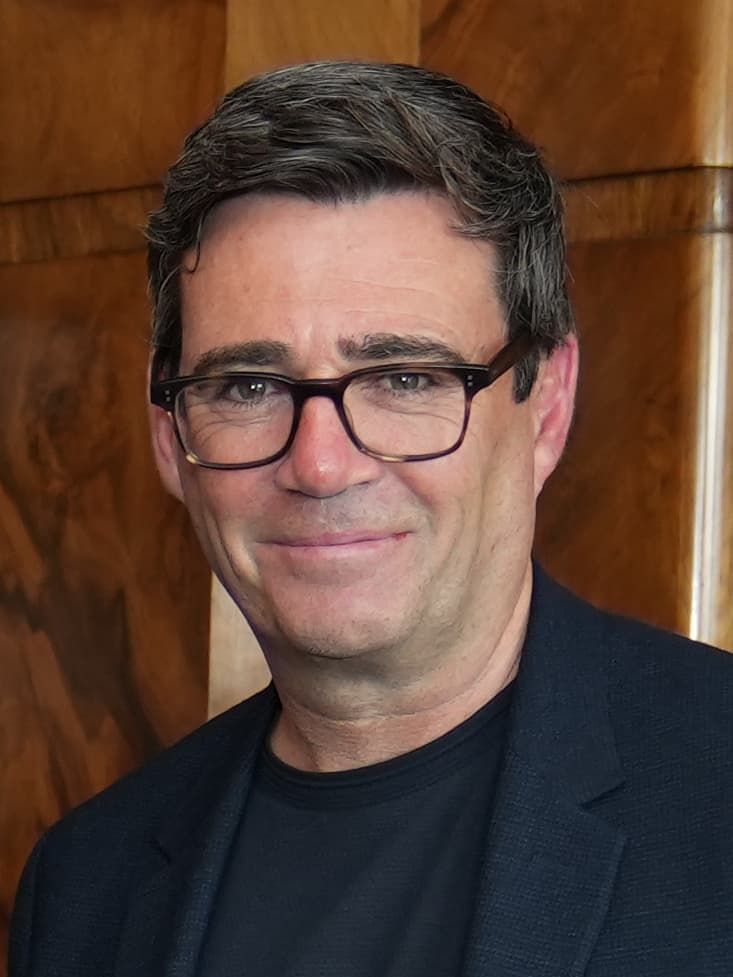
Andy Burnham turned Greater Manchester into a test of whether city-region government could do more than manage services. Over nine years, the mayor used rough sleeping, Covid and the clean-air fight to build a political identity that reached far beyond Manchester and into the argument over who should shape Britain.
Greater Manchester became his executive base
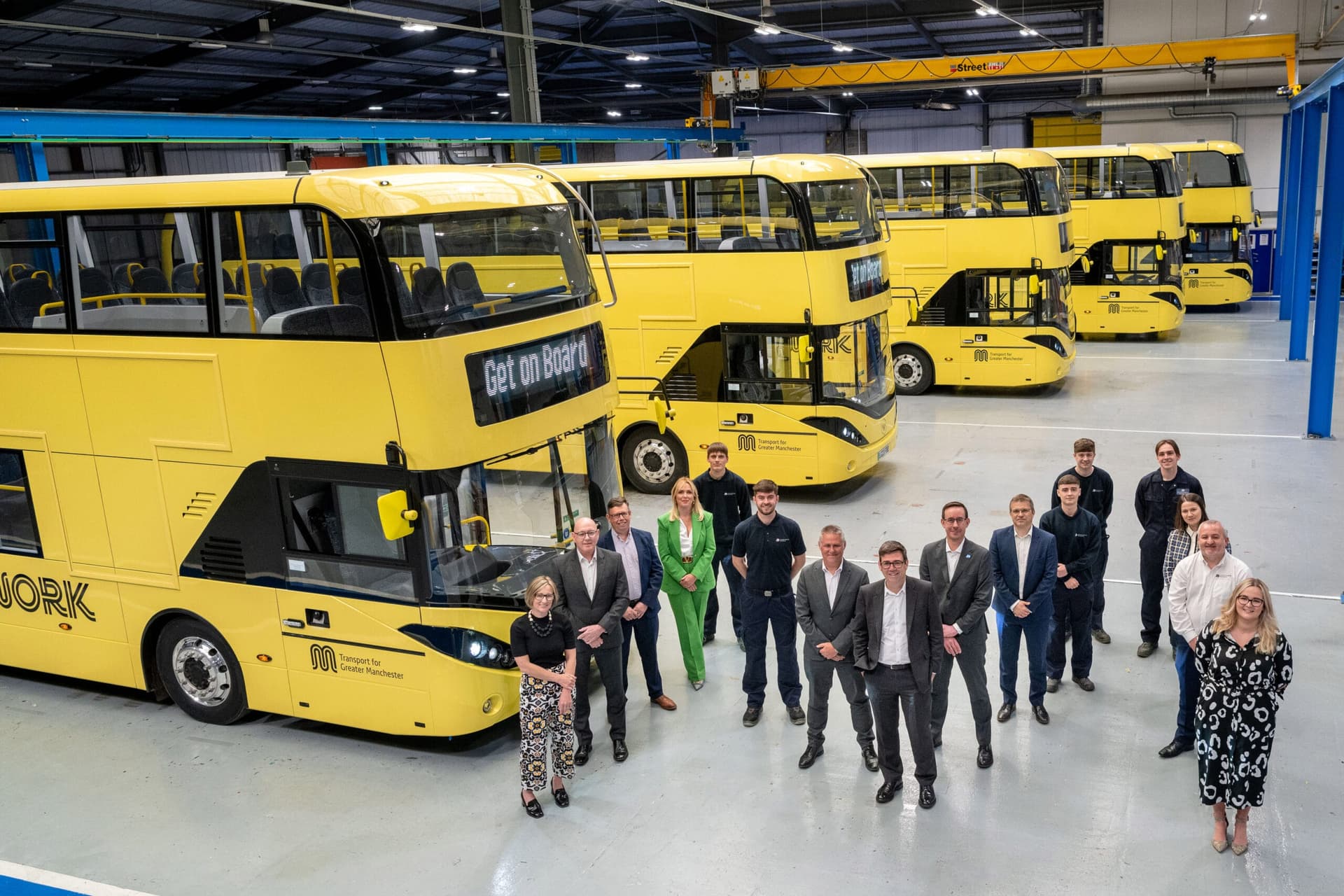
The office Burnham won on 4 May 2017 was still new enough to be an experiment. The Greater Manchester Combined Authority had been established in 2011, and the first mayoral election gave one politician direct authority over transport, housing, adult education and skills, social care, policing and fire. That structure mattered because it gave Burnham a platform far larger than a council leader’s, with leverage over daily life in a region of 2.8 million people.
He won that inaugural contest, was re-elected in 2021, and again on 2 May 2024. Those victories did more than extend his term, they turned the mayoralty into a sustained governing record. For a national politician trying to look credible beyond Westminster, continuity mattered as much as controversy.
Rough sleeping set the tone
Burnham made a social pledge at the start of the job that defined the way he wanted to be seen. On taking office in May 2017, he said ending rough sleeping would be his first priority, with a target of 2020. He backed that promise with the Greater Manchester Mayor’s Homelessness Fund and donated 15% of his £110,000 salary to help launch it.
That decision did two things at once. It tied his personal brand to a visible urban crisis, and it framed the mayoralty as an office that could act fast on a problem that had become politically toxic in cities across Britain. The homelessness campaign also gave Burnham a language of moral urgency that fit his broader claim to represent places outside London that felt ignored by national government.
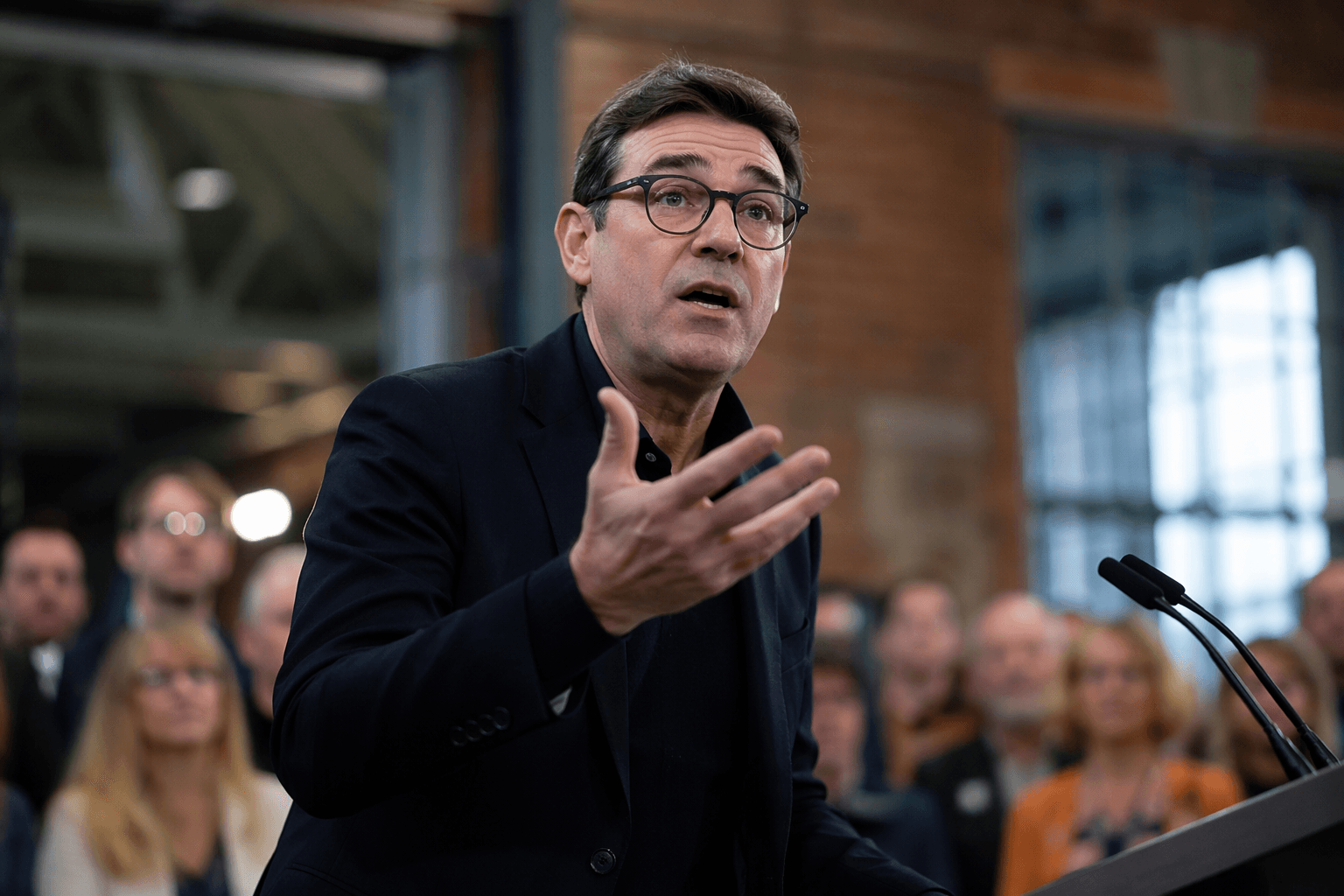
The rough-sleeping pledge became one of the clearest symbols of his time in office because it was concrete. Anyone could see whether the promise was being pursued, and that made it a better test of executive seriousness than a speech in Manchester or a press conference in Westminster.
Covid turned him into a critic of Whitehall
The pandemic then gave Burnham a much bigger national stage. In 2023, speaking to the UK Covid-19 Inquiry, he said government decisions had been too “London-centric” and that Greater Manchester had not been properly consulted. He also argued that the first lockdown was lifted “too early”, sharpening his criticism of the central response.
That mattered because it moved Burnham from local manager to institutional challenger. The confrontation with Boris Johnson’s government fed an image of a northern leader willing to push back when he believed Whitehall was overriding the regions. It also made the mayoralty look less like a municipal job and more like a platform for contesting how power is distributed inside the United Kingdom.
The Covid episode strengthened a political identity that was already forming around the idea of the North West speaking for itself. Burnham was no longer only the mayor responsible for buses, housing and social care. He had become the most visible elected figure arguing that a region with its own health, transport and civic institutions should not be treated as an afterthought.
The clean-air fight showed the cost of governing
If rough sleeping gave Burnham a social mission and Covid gave him a national argument, the clean-air battle showed the price of actually governing. Greater Manchester’s Clean Air Zone proposals, including charges aimed at older vehicles, drew intense backlash from motorists and from callers to radio phone-ins, which were inundated with complaints.
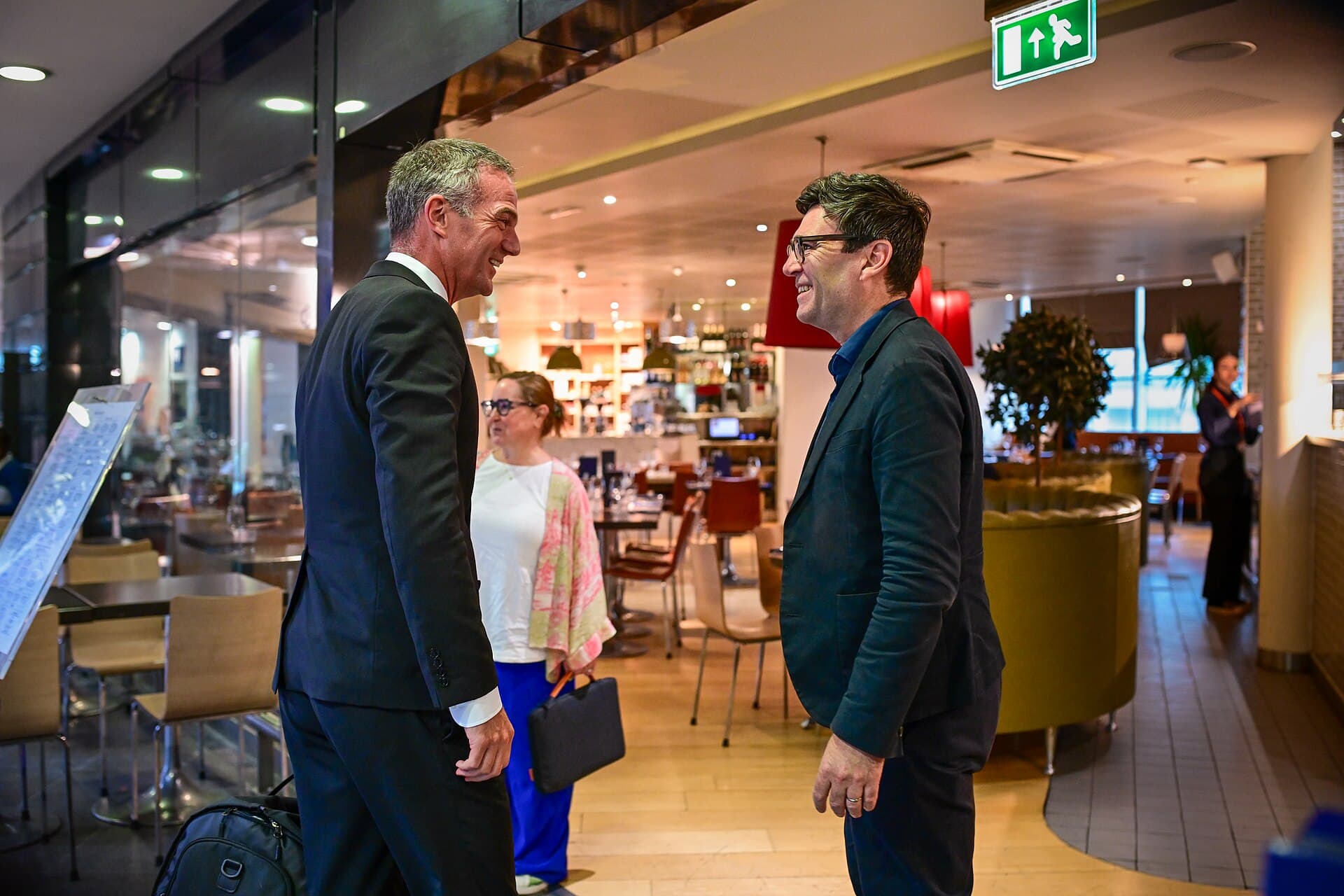
That reaction was politically important because it exposed the trade-offs inside city-region leadership. A mayor can build a brand by demanding cleaner air and better public health, but the same policy can trigger anger from people who feel the costs first and the benefits later. Burnham’s association with that battle showed that the new powers of the office were real, and so were the consequences.
The clean-air row also revealed how much the mayoralty had changed the geography of accountability. Instead of hiding behind national party lines, Burnham had to defend a policy that touched driving, household budgets and local air quality in a way residents could feel immediately. That is the sort of conflict that turns a regional office into a political proving ground.
What Manchester gave him, and what Britain is taking from it
Burnham’s mayoralty is now a case study in English devolution. The office was created to let a city region make decisions on transport, housing, skills and public safety with a single elected figure at the top. In practice, it also gave him a route to national relevance that did not depend on a Westminster seat, a cabinet post or a long apprenticeship in the party machine.
That is why Manchester became the base of his national profile. The mayoralty gave him a governing record, a conflict record and a set of visible choices that could be read as competence, conviction or confrontation depending on the viewer. By the time he was re-elected in 2024, he had already shown how a regional mayor can become a plausible claimant to a much bigger job.
The larger lesson is that Britain’s political center is no longer only in London. It is increasingly shaped by city-regions that can point to transport systems, housing pressures, public health disputes and frontline services as proof of authority. Burnham used Greater Manchester to show that an elected mayor can be both administrator and challenger, and that combination has become part of the country’s new political language.
This article was produced by Prism’s automated news system from verified source data, official records, and press releases, then run through automated quality and moderation checks before publishing. The system is built and supervised by the people who set the standards it runs under. Read our full AI policy.
Did this article answer your question?