Andy Murray title sparked Britain's golden Wimbledon weekend of five wins
Murray’s 2016 Wimbledon title capped five British trophies in one fortnight, but the lasting legacy was uneven: participation rose, yet deeper change was harder to prove.
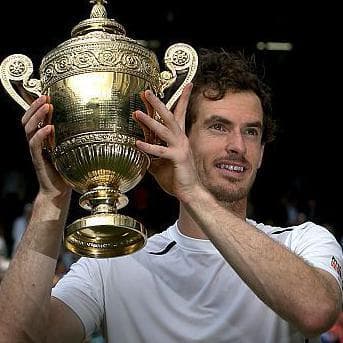
Andy Murray’s win over Milos Raonic on the Wimbledon Centre Court on 10 July 2016 did more than settle a final. It closed a fortnight in SW19 in which British players collected five titles, the country’s best Wimbledon performance in 80 years, and it briefly made British tennis feel as if its ceiling had shifted. The 2016 Championships ran from 27 June to 10 July at the All England Lawn Tennis and Croquet Club, with £28.1 million in total prize money, but the larger story was the scale of the home success. citeturn0search0
A British haul built across four disciplines
Murray’s men’s singles victory was the centrepiece, but the full tally showed how broad the breakthrough was. Heather Watson paired with Henri Kontinen to win the mixed doubles, Gordon Reid took both the wheelchair men’s singles and wheelchair men’s doubles titles, and Jordanne Whiley won the wheelchair women’s doubles. ESPN noted that Britain finished the Wimbledon fortnight with champions in five separate events for the first time, a rare spread of success that made the week feel bigger than a single headline result. citeturn0search0
The final itself underlined Murray’s dominance on grass. He beat Raonic 6-4, 7-6 (7-3), 7-6 (7-2), securing his second Wimbledon crown and the third and final major title of his career. The scoreline mattered because it showed how little margin Raonic could find against him once the match tightened: Murray controlled the decisive points, then finished the tournament as the home champion that British tennis had spent years trying to produce again. citeturn0search0
What the title meant for Murray, and for British expectations
That Wimbledon title sat inside the best season of Murray’s career. On 7 November 2016, he became the first British singles player to reach world No. 1, then finished the year at No. 1 after winning the ATP Finals in London. The ATP Tour later described 2016 as something special for Murray, a year in which he won nine titles and rose to the top of the rankings for the first time. The sequence mattered because Wimbledon was not an isolated peak, but the moment that made the rest of the season possible in the public imagination. citeturn0search0
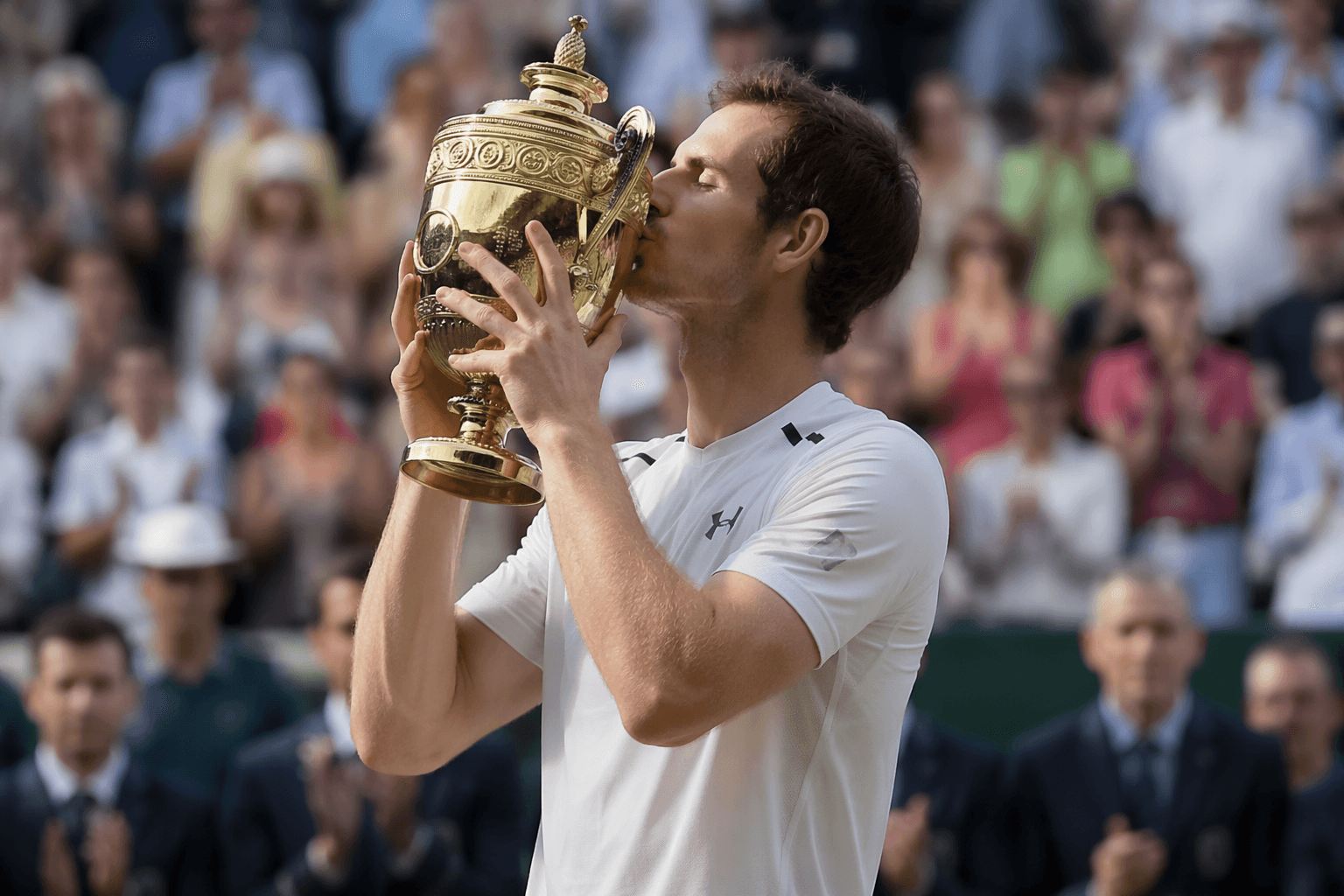
That is also why the anniversary invites a harder question than celebration alone. A single champion can inspire a generation, but it does not automatically rebuild a sport’s base, coach education, or access to courts. Murray’s 2016 triumph reset expectations, yet the more durable test is whether it changed the structures around British tennis enough to outlast one extraordinary player. The evidence points to some movement, but not to a complete transformation. citeturn0search0
The clearest gains came in participation and park courts
The Lawn Tennis Association’s 2016 annual review framed the year as exceptional and linked the success to broader development work. Its numbers show the most concrete legacy: participation reversed an 8% annual decline and moved to 1% growth versus 2015. That is a real shift, and it suggests the Wimbledon surge was not just a media story, but one that reached into club and community participation. citeturn0search0
The same review pointed to more than 50 long-term partnerships with local authorities to revive park courts, which is where the social reach of the sport becomes visible. Public courts are the entry point for players who cannot pay private club fees, and those partnerships mattered because they addressed access, not just elite performance. The LTA also said park-court competition players had risen by more than 150% since 2014, a sign that the most affordable parts of the game were starting to generate more organised play. citeturn0search0
Where the legacy looks thinner
Even with those gains, the structural change was uneven. The strongest evidence of lasting impact sits in participation and local-court revival, not in proof that Britain had solved the deeper problems of coaching depth, funding continuity, or the long pipeline from public court to elite tour. Murray’s success made the sport more visible, but visibility is not the same as an evenly funded pathway, and the numbers available from 2016 show a modest national participation rebound rather than a wholesale overhaul. citeturn0search0
That gap is why the later image of Murray returning to Wimbledon as a coach has carried so much weight. He has appeared in the coaching box, including working with Jack Draper, and that role signals a different kind of legacy: knowledge passing back into the next British generation. It is a meaningful symbol, especially when current British players cite Murray’s achievements as an inspiration, but it also underlines how much the sport still relies on one era’s success to sustain belief in the next. citeturn0search0
What the golden weekend ultimately changed
The 2016 Wimbledon weekend gave Britain five champions, a world No. 1, and the sense that its best players could dominate across mainstream and wheelchair events at the same tournament. It also produced measurable but partial structural gains, especially in participation and park-court access, where the LTA’s figures showed the clearest movement. The legacy of that fortnight is real, but it is best understood as a boost to confidence and participation rather than a complete rebuild of British tennis.
This article was produced by Prism’s automated news system from verified source data, official records, and press releases, then run through automated quality and moderation checks before publishing. The system is built and supervised by the people who set the standards it runs under. Read our full AI policy.
Did this article answer your question?

.jpg&w=1920&q=75)
