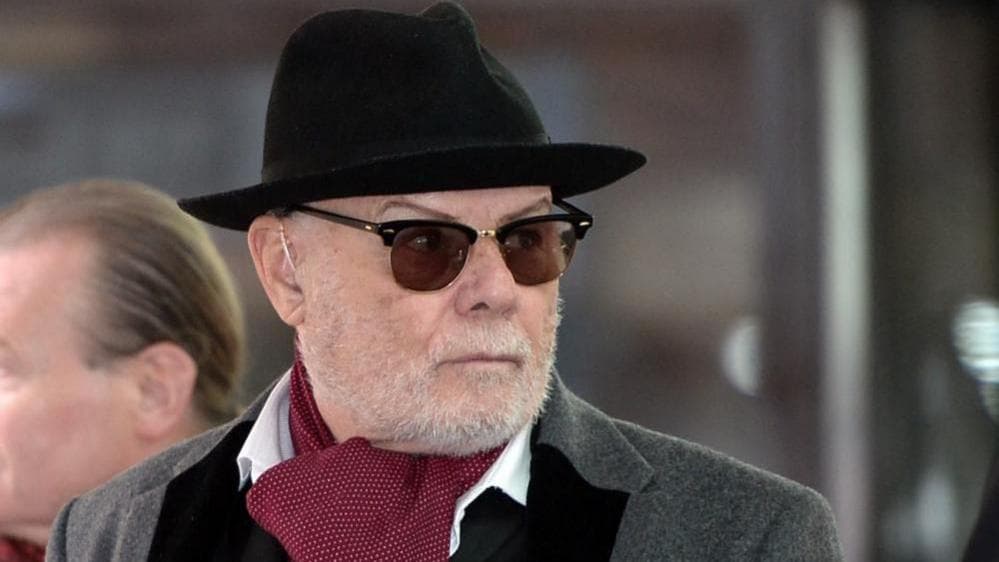
Andy Mycock Turns His Surname Teasing Into Comedy and Research
A surname that was ordinary in Buxton became a lifelong punchline after university, and Andy Mycock turned the sting into a BBC Radio 4 programme.
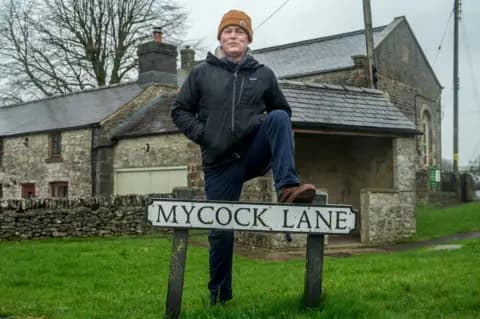
Andy Mycock spent years learning that a surname he barely noticed in Buxton could draw laughter the moment he left home. Growing up in the Derbyshire market town, he says Mycock was common enough to attract little comment. It was not until he went to university in Salford in the mid-1990s that the teasing began in earnest.
What started as schoolyard-style mockery followed him into adult life. Mycock has described covering up name tags, mumbling his name, and sometimes avoiding using it in public altogether. He has said the surname has complicated job interviews, dating, and even the practical business of booking venues for work, turning something as simple as an introduction into a recurring obstacle.
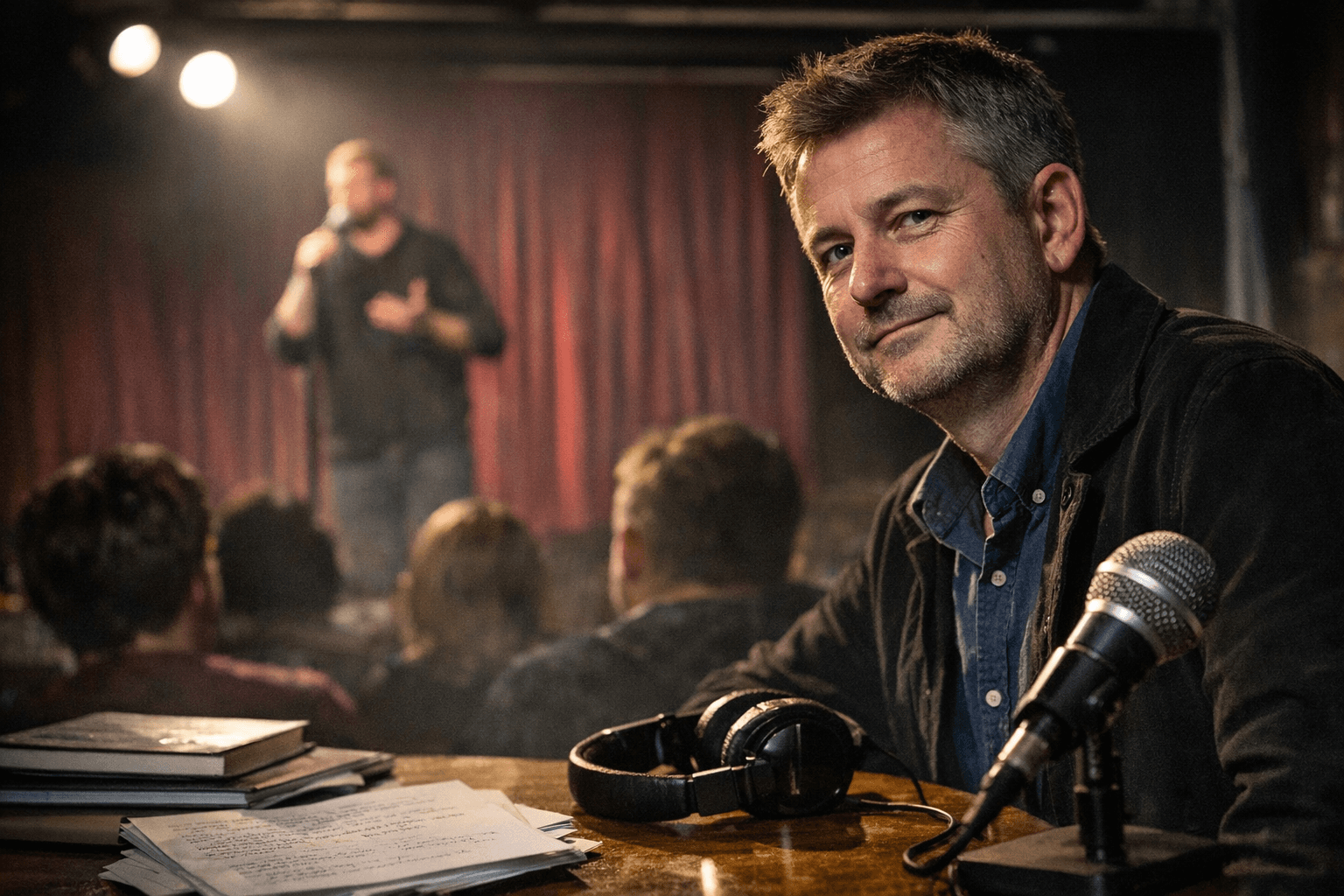
Now a political scientist at the University of Leeds and chief policy fellow with the Yorkshire and Humber Policy Engagement and Research Network, or Y-PERN, Mycock has turned that experience into comedy and research communication. A BBC Radio 4 programme, Andy Mycock: Named, Unashamed, is scheduled to air on 19 April 2026, after being recorded at the Buxton Fringe festival last year. The project draws directly on the tension between private identity and public reaction, a tension that has followed him from the East Midlands to Manchester and Leeds.
The story also points to a family divide over the same name. Mycock has said his sisters changed their surname as soon as they could at 16, a reminder that one family can experience the same label in sharply different ways. For Andy Mycock, the decision has been to reclaim it in public rather than retreat from it.
His experience fits a longer British pattern of names that become jokes the moment they escape their local context. The BBC reported as far back as 25 February 2009 on people with names such as Justin Case, Barb Dwyer and Stan Still, showing how “unfortunate” names can become part of public culture as well as private embarrassment. Mycock’s own case is different in detail but familiar in structure: a name that was ordinary at home, then became a lifelong punchline once he was seen through other people’s eyes.
This article was produced by Prism’s automated news system from verified source data, official records, and press releases, then run through automated quality and moderation checks before publishing. The system is built and supervised by the people who set the standards it runs under. Read our full AI policy.
Did this article answer your question?