Angela Eagle named Britain's new security minister in Starmer reshuffle
Angela Eagle took over Britain’s security brief as Keir Starmer moved Dan Jarvis to defence after John Healey quit over spending plans.
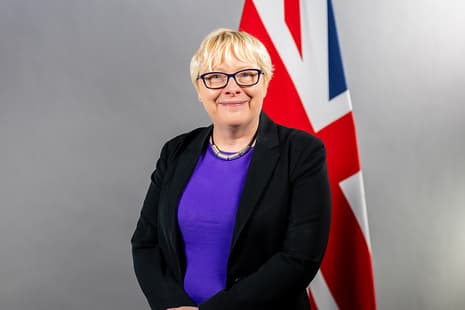
Angela Eagle took control of one of Whitehall’s most sensitive posts as Keir Starmer used a June 12 reshuffle to put an experienced Labour figure at the center of Britain’s response to terrorism, cyber threats and organised crime. The move also sent Dan Jarvis to the Ministry of Defence after John Healey resigned a day earlier over a dispute about defence spending and the Defence Investment Plan.
The government named Eagle Minister of State for Security, jointly in the Home Office and the Cabinet Office, a role that reaches deep into domestic security and intelligence coordination. Her remit includes counter terrorism and extremism, state threats, cyber security and crime, serious and organised crime, oversight of the National Crime Agency, international criminality, aviation and maritime security, economic crime, extradition, VIP protection and anti-corruption.
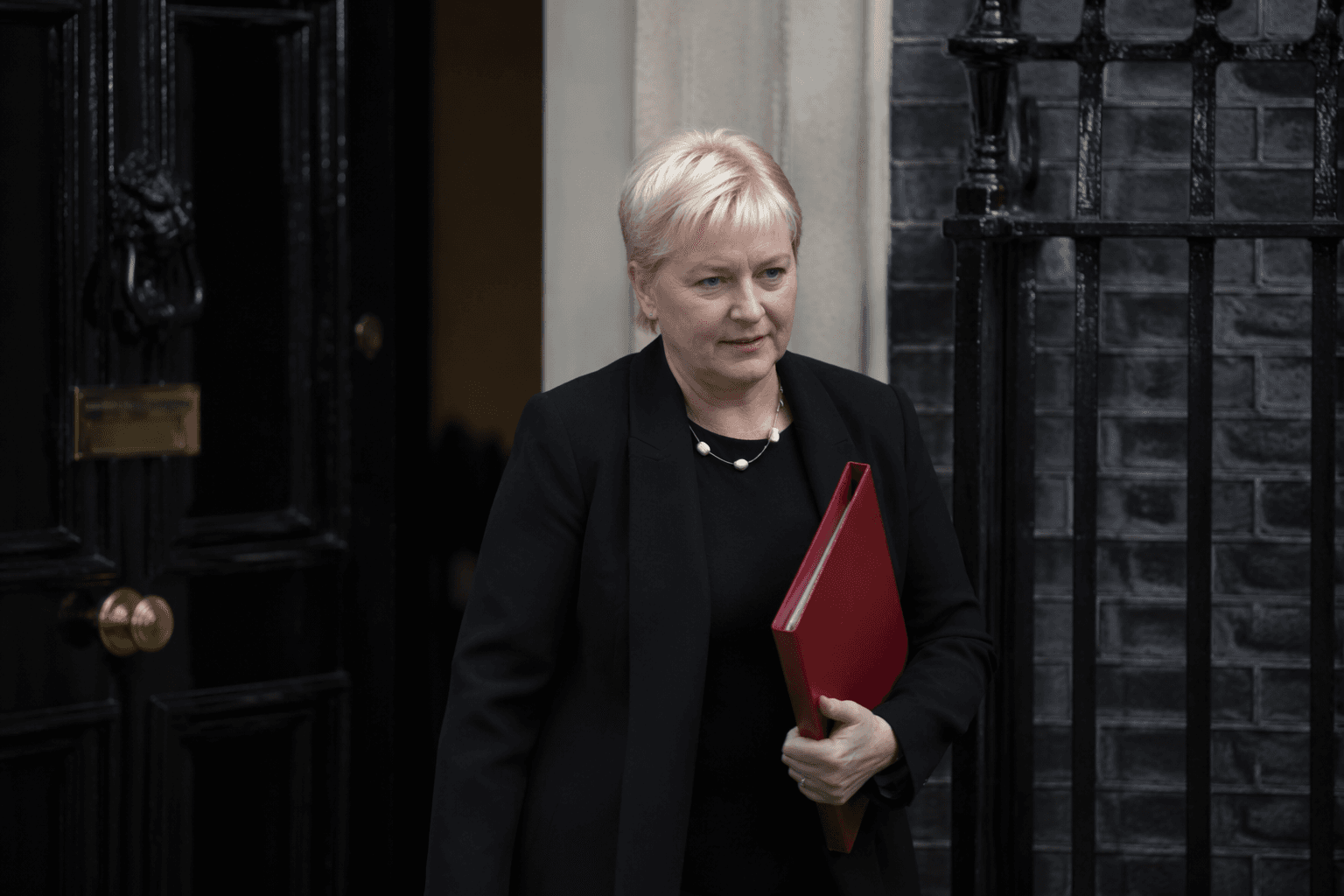
Eagle arrives with an established record inside Labour’s national security machinery. She served as minister of state for border security and asylum at the Home Office from July 8, 2024, to September 6, 2025, then moved to food security and rural affairs at the Department for Environment, Food and Rural Affairs on September 6, 2025. She has represented Wallasey continuously in Parliament since April 9, 1992, making her one of the party’s longest-serving MPs.
The timing of the reshuffle matters as much as the personnel. Healey stepped down on June 11 after rejecting Starmer’s defence spending plans, saying he had “no other option” but to quit. Jarvis, who had also been serving across the Home Office and Cabinet Office, was then moved into the defence secretary role, leaving Starmer to fill two high-pressure posts in quick succession.
For Washington and other NATO capitals, the change is a reminder that Britain’s internal security choices now sit alongside alliance politics and military readiness. The UK government’s 2025 National Security Strategy said organised crime remains “the most corrosive, day-to-day threat” to most citizens, and warned that new technologies are lowering barriers for illicit finance, cyber attacks, online fraud, child sexual abuse and human trafficking. Eagle’s appointment places her directly inside the government’s response to those threats, at a moment when Britain is trying to steady its senior security team while keeping pressure on terrorism, border control, cyber resilience and hostile state activity.
This article was produced by Prism’s automated news system from verified source data, official records, and press releases, then run through automated quality and moderation checks before publishing. The system is built and supervised by the people who set the standards it runs under. Read our full AI policy.
Did this article answer your question?

