Anish Kapoor returns to Hayward Gallery with vast new exhibition
Kapoor’s Hayward return pairs new red installations and Vantablack voids with landmark older works, turning the show into a test of legacy and reinvention.
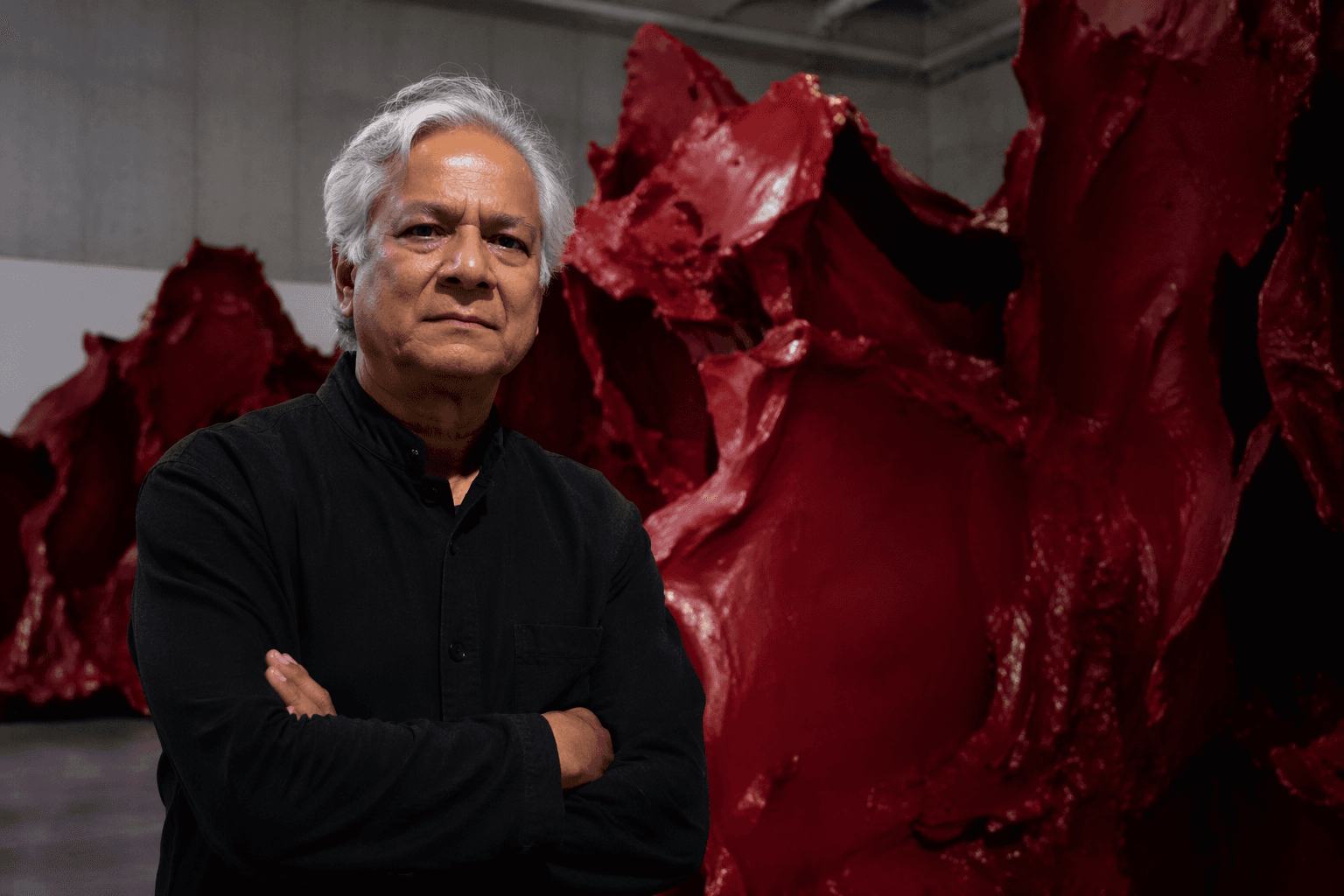
Anish Kapoor is returning to the Hayward Gallery with a show that will occupy the building from top to bottom, placing new monumental installations beside some of the sculptures that made him one of Britain’s most recognizable artists. The exhibition is built around scale, reflection and voids, but it is also a test of how a major institution re-presents an established star in a cultural climate that now asks harder questions about legacy.
The exhibition will run from 16 June to 18 October 2026 as part of the Southbank Centre’s 75th anniversary celebrations, curated by Ralph Rugoff. That pairing gives the show added weight: Rugoff, who has led the Hayward for 20 years, will step down in spring 2026, and Kapoor’s return lands 28 years after the gallery’s first major UK survey of his work in 1998.
Visitors will encounter a vivid red pigment work titled Ha Makom and a huge inflated red PVC membrane called All of Nothing. One of the older works included in the show, Mount Moriah at the Gate of the Ghetto, will hang as a massive red and black mass from the ceiling. The Southbank Centre says the exhibition also includes works coated in Vantablack, described as the blackest known substance in the world, along with seemingly depthless voids and mirrored sculptures on the outdoor terraces.
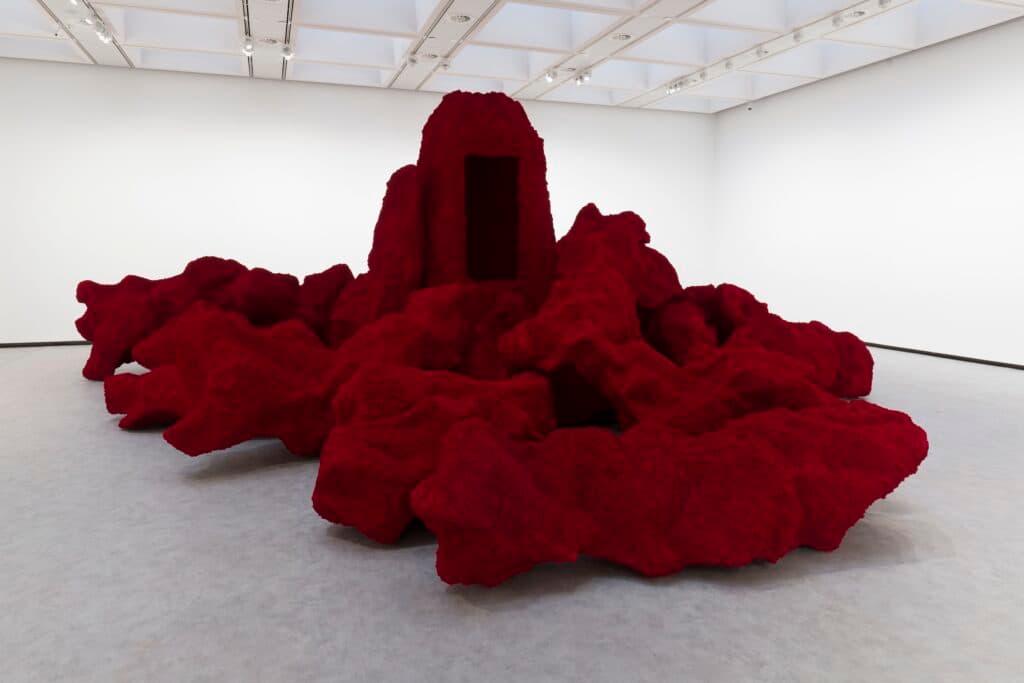
Kapoor’s use of red remains one of the exhibition’s most unsettling and distinctive elements. He has described the colour as capable of holding celebration, darkness, terror and fear at the same time, and that tension runs through the show’s more visceral pieces, which the Southbank Centre says include artworks suggestive of blood and entrails. The result is not simply spectacle. It is an invitation to read beauty and unease in the same object, and to notice how often Kapoor turns sculpture into a bodily experience.
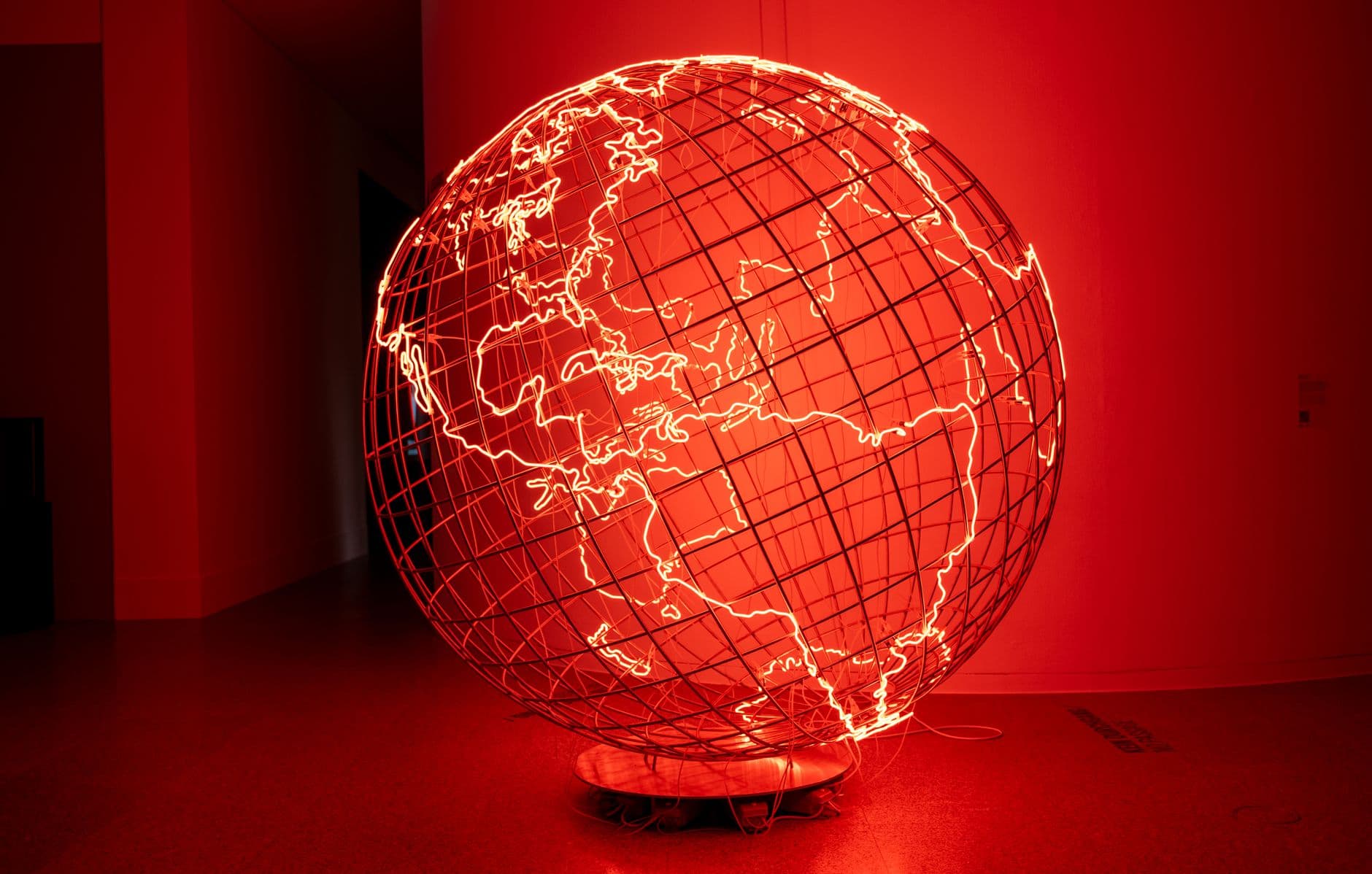
That is where the exhibition becomes more than a victory lap. The 1998 Hayward survey featured more than 20 large-scale works, including In the Beginning and When I am Pregnant, and the new exhibition will inevitably be measured against that landmark. If the older pieces sharpen the impact of the new ones, the show will offer fresh meaning. If not, it risks functioning mainly as a reaffirmation of a well-established legacy. Kapoor, 72 and Mumbai-born, has long been associated with public works such as Chicago’s Cloud Gate and Sky Mirror, but this return to the Hayward will ask whether a canonical artist can still surprise inside a familiar institutional frame.
This article was produced by Prism’s automated news system from verified source data, official records, and press releases, then run through automated quality and moderation checks before publishing. The system is built and supervised by the people who set the standards it runs under. Read our full AI policy.
Know something we missed? Have a correction or additional information?
Submit a Tip