Anonymous hay donations help Nebraska ranchers rebuild after historic wildfire
Anonymous truckloads of hay reached Mike and Kayla Wintz after fire erased 11,000 acres in two hours, showing how remote ranchers survive by community lifelines.
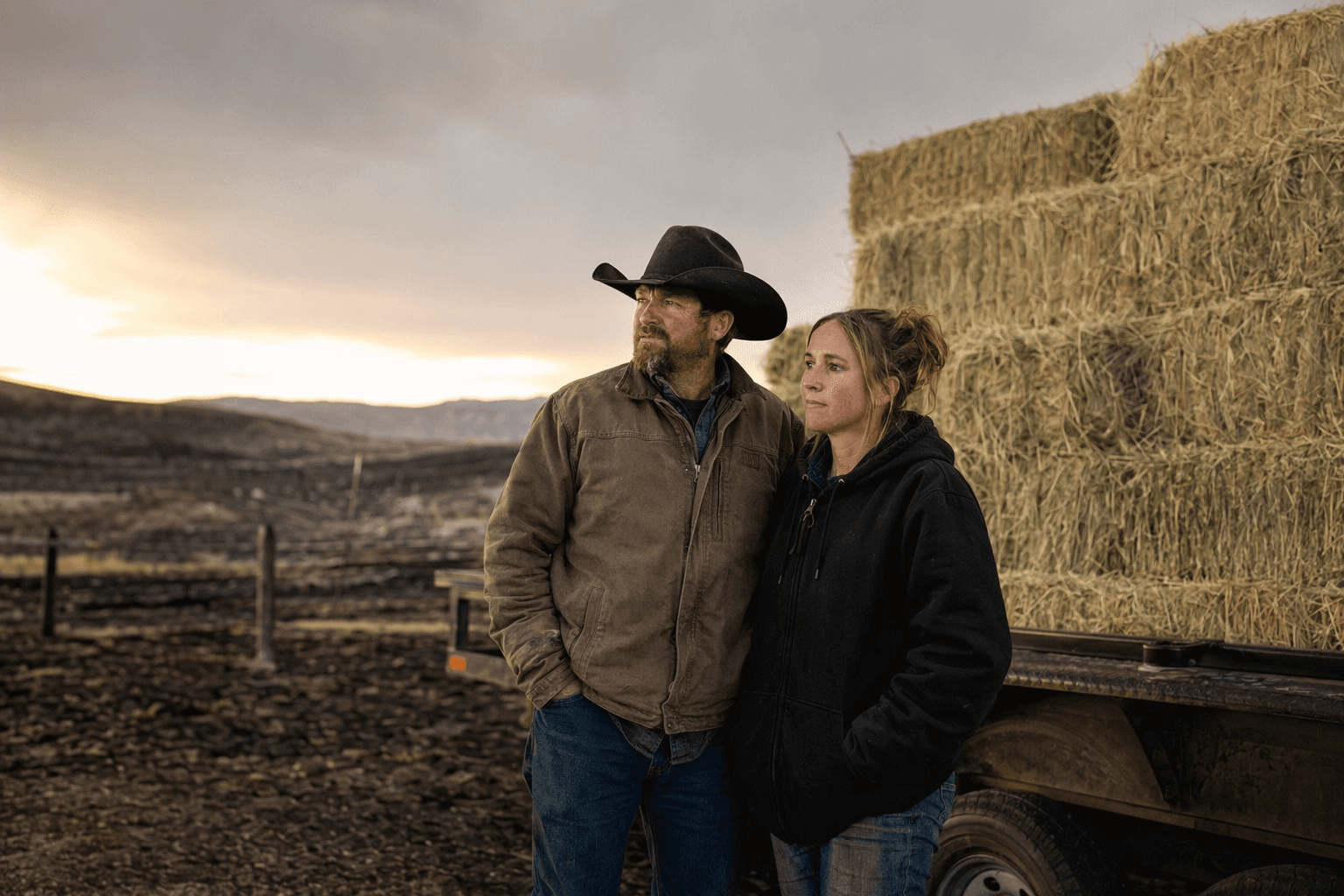
Anonymous hay deliveries have become a lifeline for Mike and Kayla Wintz after the Morrill Fire tore through their western Nebraska ranch and wiped out all 11,000 acres of grazing land in about two hours.
The fire, which burned roughly 1,000 square miles of ranchland in the Sandhills, left the Wintzes facing the collapse of the livelihood they had built in one of the most isolated corners of the state. They live so far from town that, as CBS News reported, “a gallon of milk is a little over an hour away.” In a place where distance shapes every decision, losing pasture also means losing the practical foundation for feeding cattle, moving supplies and keeping a ranch running.
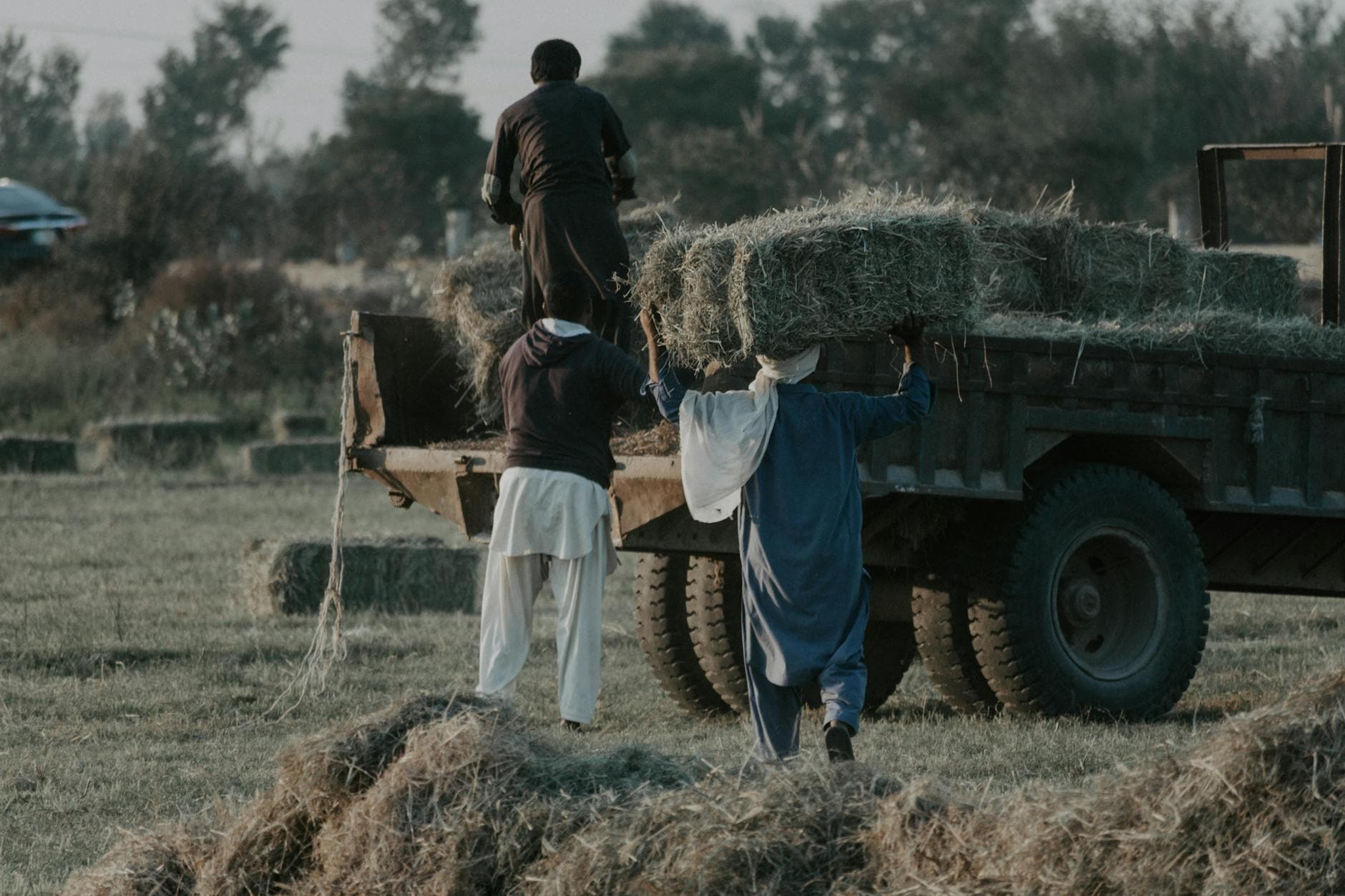
Help arrived in the form of hay, and lots of it. Mike Wintz said the family had received about $80,000 worth of hay, mostly from anonymous donors. The donations came from farmers, ranchers and truck drivers, with some loads traveling from as far away as South Carolina. Convoys of more than 20 trucks at a time rolled in loaded with hay, a visible sign that the recovery effort had stretched far beyond Nebraska’s borders.
Sara Cover, a volunteer helping connect donors with ranchers, said she was fielding as many as 200 phone calls a day from people who wanted to give hay. In many cases, nearby ranchers who were themselves hit by the fire could not spare much. Cover said many asked that hay be sent to their neighbors first, an arrangement that underscored both the scale of the disaster and the ethic of mutual aid that has long sustained ranching communities.
The wildfire emergency reached far beyond the Wintz ranch. By March 14, state officials said three of Nebraska’s largest fires had already damaged around 600,000 acres. By March 26, Governor Jim Pillen said four of the largest fires had collectively burned more than 800,000 acres. State leaders issued a burn ban and emergency-related actions to help move feed and supplies, including logistics waivers meant to keep livestock supplied as flames spread across rural counties.
For ranchers in the Sandhills, recovery is not only about replacing grass. It requires feed, trucking, access to roads, emergency coordination and enough outside support to bridge the gap until land can recover. For the Wintzes, the hay that arrived from strangers became more than a donation. It became proof that even in one of Nebraska’s most remote places, the line between devastation and survival can depend on people willing to send help before the attention fades.
This article was produced by Prism’s automated news system from verified source data, official records, and press releases, then run through automated quality and moderation checks before publishing. The system is built and supervised by the people who set the standards it runs under. Read our full AI policy.
Did this article answer your question?

