Another UK prime minister could arrive within weeks, editor says
Britain could get another prime minister without a single vote, as Conservative rules and Commons arithmetic may deliver a leader before voters do.
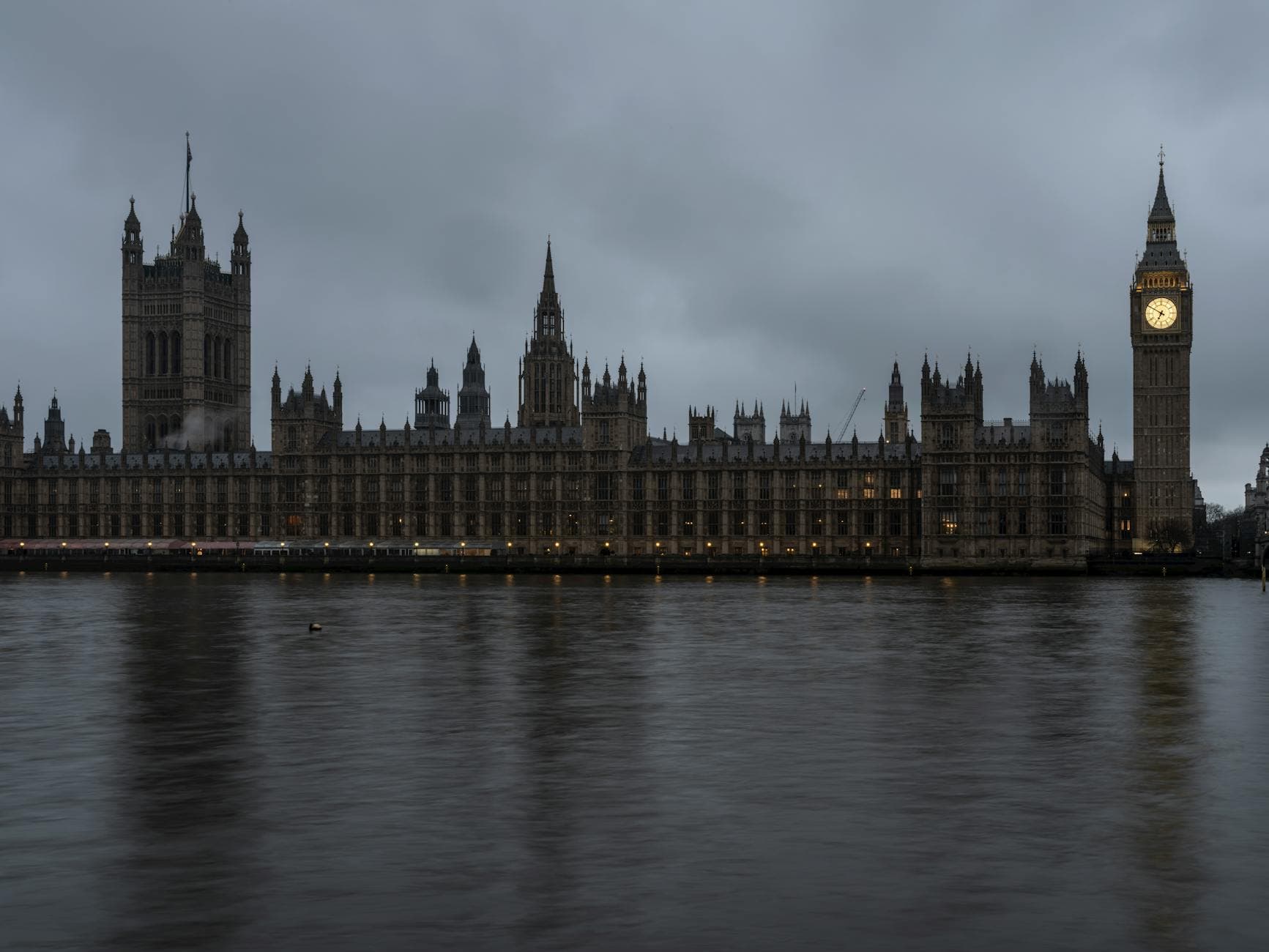
Another prime minister could be installed in Downing Street within weeks, and the most striking part is how little the public would have to say about it. Under Conservative rules, a leadership contest begins if a sitting leader resigns or if 15% of Conservative MPs submit no-confidence letters to the chair of the 1922 Committee, a threshold that now stands at 54 MPs.
That makes the contest a matter of party machinery, parliamentary factions and internal timing rather than a general election. The 1922 Committee, which brings together all backbench Conservative MPs and meets weekly when the House of Commons is sitting, would be the key clearing house if pressure on a leader became unbearable. A change of prime minister could therefore come through Westminster arithmetic alone, leaving voters to watch another transfer of power decided inside the party room.

Recent history shows how fast that can happen. Boris Johnson announced on 7 July 2022 that he would resign as Conservative leader. Liz Truss became prime minister on 6 September 2022, then resigned as Conservative leader on 20 October 2022. Rishi Sunak was elected Conservative leader by 24 October 2022 and appointed prime minister the following day. In a matter of months, the country moved through three Conservative leaders and two changes of prime minister without a general election.
The pattern has deeper historical echoes. Harold Wilson resigned unexpectedly in March 1976, and James Callaghan took over after a two-week Labour leadership contest announced on 5 April 1976. Britain has long been able to replace a prime minister mid-Parliament, but the pace and volatility of the recent Conservative era have made that power feel especially acute. Liz Truss still holds the record for the shortest-serving UK prime minister, at 49 days.
That is why the prospect of another leadership change now carries such weight. A new occupant of Downing Street could emerge from Conservative rules, a handful of letters and the balance of MPs at Westminster, not from the ballot box. If that happens before the next general election, voters would be confronted with their third unelected prime minister in quick succession, a blunt reminder of how fragile democratic legitimacy can look when party discipline and parliamentary procedure outrun public choice.
This article was produced by Prism’s automated news system from verified source data, official records, and press releases, then run through automated quality and moderation checks before publishing. The system is built and supervised by the people who set the standards it runs under. Read our full AI policy.
Did this article answer your question?

