Antarctic warming forces penguins to breed earlier, stressing vulnerable species
New research finds Antarctic warming has shifted penguin breeding nearly two weeks earlier, threatening two species and signaling broader ecological and public health concerns.
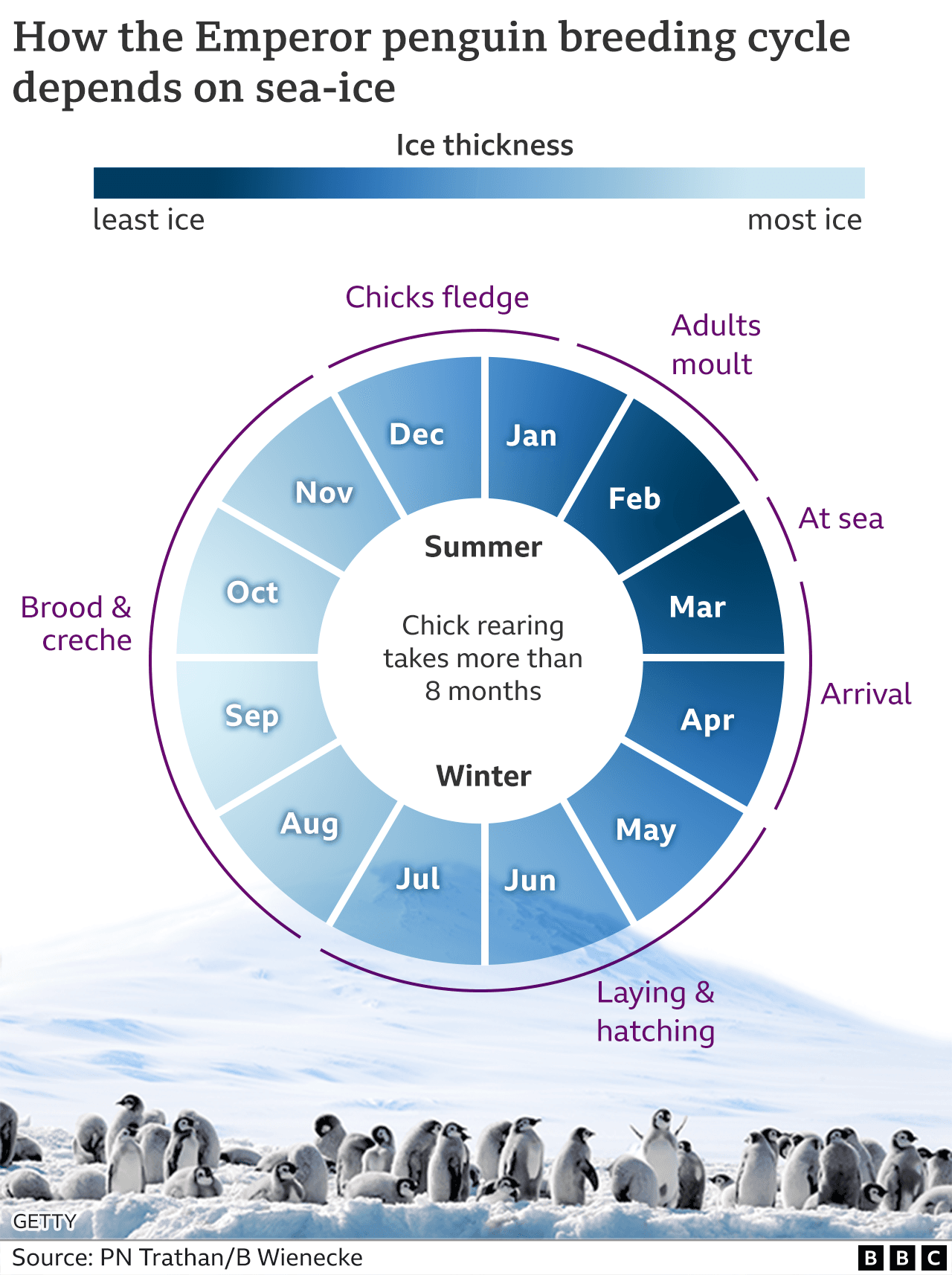
Warming temperatures in Antarctic breeding grounds are prompting several penguin species to begin nesting nearly two weeks earlier than a decade ago, a new study in the Journal of Animal Ecology reports. The timing shift, tied to rising local temperatures, has already placed added stress on two species monitored in the research and raises questions about food web stability and downstream human impacts.
Researchers analyzed multi-year temperature trends at key breeding colonies and compared those data with long-term observations of breeding calendars. They found a clear correlation between increased local temperatures and advanced laying and hatching dates across multiple species. The study highlights that breeding schedules, tightly coupled to seasonal prey availability such as krill and small fish, can be sensitive to even modest changes in environmental cues.
Shifts in breeding phenology are not an academic detail. For seabirds, the alignment of chick hatching with the seasonal peak of prey is critical to survival. When birds breed earlier, they risk a mismatch with peak food abundance, which can reduce chick growth and survival and, over time, shrink populations. The study reports that two species in particular are showing signs of stress linked to the calendar shift, a pattern that conservation biologists say can presage longer-term declines if underlying drivers persist.
The implications extend beyond penguins. Antarctic ecosystems are foundational to Southern Ocean fisheries and to global climate regulation. Changes in predator-prey timing can cascade through the food web, altering krill populations that support not only seabirds but also commercially fished species and marine mammals. For coastal communities and nations that rely on fisheries, such ecological disruption can translate into economic insecurity and food access challenges. Public health experts caution that ecological stressors amplify vulnerabilities in already marginalized populations, exacerbating inequalities both within nations and between wealthy emitters and low-income, climate-vulnerable states.
Warming also influences disease dynamics. Warmer conditions can shift the range and seasonality of pathogens and parasites, a concern for wildlife that may become more susceptible to novel diseases as stressors mount. Those same dynamics complicate human health preparedness, especially for research stations and fishing crews operating in polar regions where medical resources are limited.
The findings underscore the interconnectedness of biodiversity, climate policy, and social equity. Scientists say the pattern in Antarctic breeding phenology is a predictable outcome of global warming driven by greenhouse gas emissions. Addressing the problem requires emissions reductions at scale, stronger protections for Antarctic marine ecosystems, and investment in monitoring and adaptive management that prioritizes both biodiversity and the communities dependent on healthy oceans.
Policymakers face choices about fisheries governance, emissions policy, and funding for long-term ecological monitoring. The study adds to a growing scientific record that climate impacts once seen as distant now have clear, measurable effects on emblematic species and the broader systems that sustain human well-being. For communities and conservationists, the message is urgent: protecting Antarctic wildlife is inseparable from protecting human health and climate justice.
This article was produced by Prism’s automated news system from verified source data, official records, and press releases, then run through automated quality and moderation checks before publishing. The system is built and supervised by the people who set the standards it runs under. Read our full AI policy.
Did this article answer your question?