Anthropic CEO to meet White House, Pentagon dispute may ease
Dario Amodei’s White House meeting comes as Anthropic’s Mythos model pulls Washington deeper into a fight over Pentagon contracts and federal access.
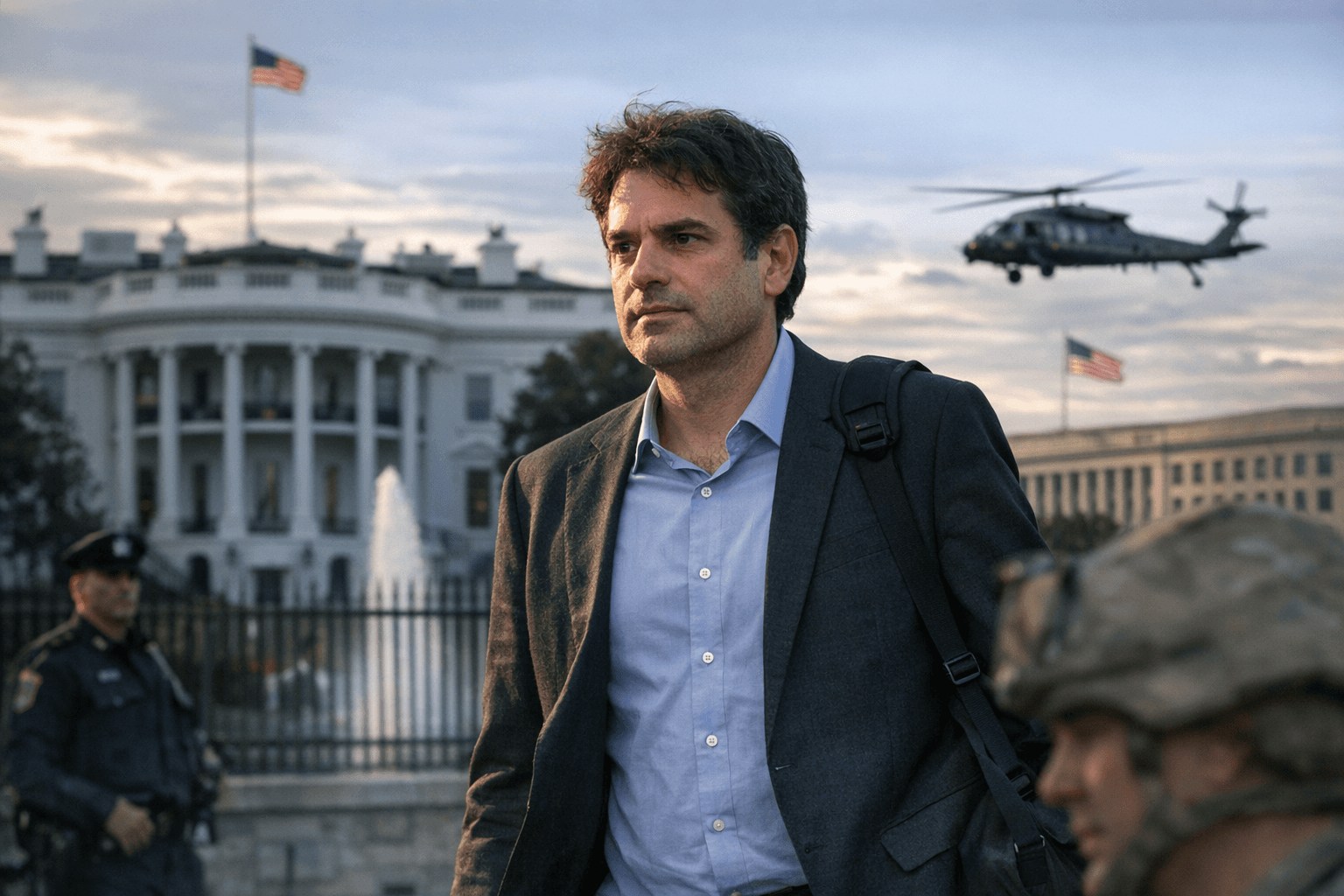
Dario Amodei’s planned meeting with White House chief of staff Susie Wiles puts Anthropic at the center of a larger Washington contest over who controls advanced AI in national security. The immediate dispute is a Pentagon contract fight, but the broader stakes now extend to cybersecurity, procurement leverage and the power to shape how federal agencies use commercial AI.
Anthropic has been in discussions with the Trump administration even after the Pentagon cut off business ties following a contract disagreement. That rupture did not isolate the company. Instead, it appears to have made Mythos more important across the government, especially as officials assess its ability to defend networks and probe for weaknesses in software and hardware at a speed Anthropic says was previously impossible.
The company’s Project Glasswing, announced on April 7, was designed to push that capability into controlled defensive use. Anthropic said the program would let select organizations use the unreleased Claude Mythos Preview for cybersecurity work, with launch partners including Amazon Web Services, Apple, Broadcom, Cisco, CrowdStrike, Google, JPMorganChase, the Linux Foundation, Microsoft, NVIDIA and Palo Alto Networks. Anthropic said it had extended access to more than 40 additional organizations and would commit up to $100 million in usage credits and $4 million in donations to open-source security groups.
That broad reach has turned Mythos into a federal prize. The Commerce Department’s Center for AI Standards and Innovation has been actively testing the model. Staff from at least two large federal agencies have reached out to Anthropic about using it for cyber defense. Staff on at least three congressional committees have also sought or received briefings on its cyber-scanning capabilities. Treasury’s technology team has been seeking access as well, hoping to use the system to hunt for vulnerabilities.
The interest matters because Anthropic’s clash with the Pentagon is not just about one contract. Forbes reported that the company had entered into a reported $200 million defense deal last year, then became the target of a supply chain risk designation after refusing to remove safeguards from Claude for unrestricted military use. A federal court later issued a temporary injunction blocking that designation. In late February, Donald Trump and Defense Secretary Pete Hegseth also directed federal agencies to stop using Anthropic’s technology after Amodei objected to autonomous lethal attacks and mass surveillance uses.
That sequence shows how quickly commercial AI fights are migrating into national-security channels. A model that can help defend critical systems can also become leverage in a procurement dispute, a test case in federal regulation and a bargaining chip among agencies that do not want to fall behind. For Anthropic, the White House meeting signals that the dispute may be easing. For Washington, it shows that access to frontier AI is now a question of power as much as technology.
This article was produced by Prism’s automated news system from verified source data, official records, and press releases, then run through automated quality and moderation checks before publishing. The system is built and supervised by the people who set the standards it runs under. Read our full AI policy.
Did this article answer your question?


