Anthropic expands Claude for lawyers with secure Thomson Reuters access
Anthropic opened Claude to deeper legal workflows, tying it to Thomson Reuters research and document tools as law firms test how far AI can go.

Anthropic widened Claude’s legal ambitions on Tuesday with a package built for lawyers who want generative AI tied directly to research, drafting and document systems they already use. The new features are aimed at existing Claude customers and are designed to connect securely with third-party legal platforms, a sign that the company wants Claude to function less like a chat bot and more like a working layer inside law-firm software.
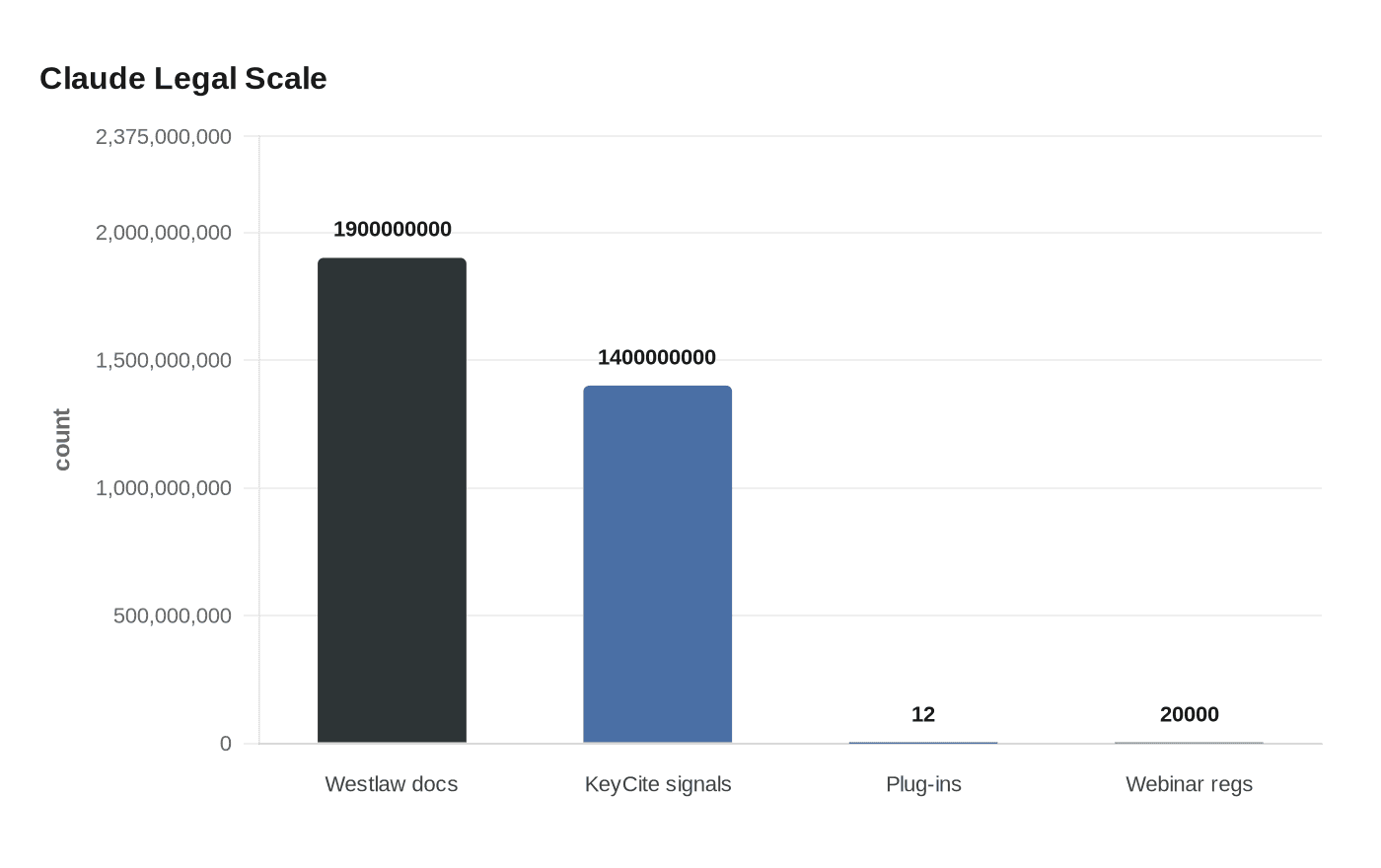
The biggest partnership link is Thomson Reuters. Its new integration uses Model Context Protocol to connect Claude directly to CoCounsel Legal, while the next generation of CoCounsel Legal is being rebuilt on Anthropic’s Claude Agent SDK. Thomson Reuters said the system reasons across 1.9 billion Westlaw and Practical Law documents and 1.4 billion KeyCite validity signals, with general availability expected this summer. Anthropic also said the legal tools are meant to support specialized legal topics, bringing structured research closer to drafting and review.
The rollout extends beyond Thomson Reuters. Anthropic added secure connections with Westlaw Primary Law and Practical Law inside Claude, along with connectors for Harvey, Box, Everlaw and DocuSign. It also added 12 legal practice plug-ins, including commercial counsel, employment counsel, litigation associate and law student. Anthropic associate general counsel Mark Pike said a recent webinar on how legal teams use Claude drew more than 20,000 registrations, a volume that suggests legal AI has moved from curiosity to mainstream internal testing.
That momentum comes with a harder question: who carries the risk when an AI-assisted memo, clause or research trail is wrong. Law firms and corporate legal departments are chasing faster drafting and more efficient review, but they are doing so in one of the most regulated knowledge professions, where confidentiality, citation accuracy and source control are not optional. The practical test for Claude is not whether it can generate fluent legal prose. It is whether it can fit inside the controls firms need, with lawyers still accountable for the final work product and for verifying every authority before it reaches a client, court or counterparty.
This article was produced by Prism’s automated news system from verified source data, official records, and press releases, then run through automated quality and moderation checks before publishing. The system is built and supervised by the people who set the standards it runs under. Read our full AI policy.
Did this article answer your question?


