Anthropic refuses Pentagon demand, risks $200 million contract and DPA action
Anthropic refuses Pentagon language allowing “all lawful use” of Claude, facing a Friday evening DPA deadline and potential offboarding that could end a reported $200 million contract.
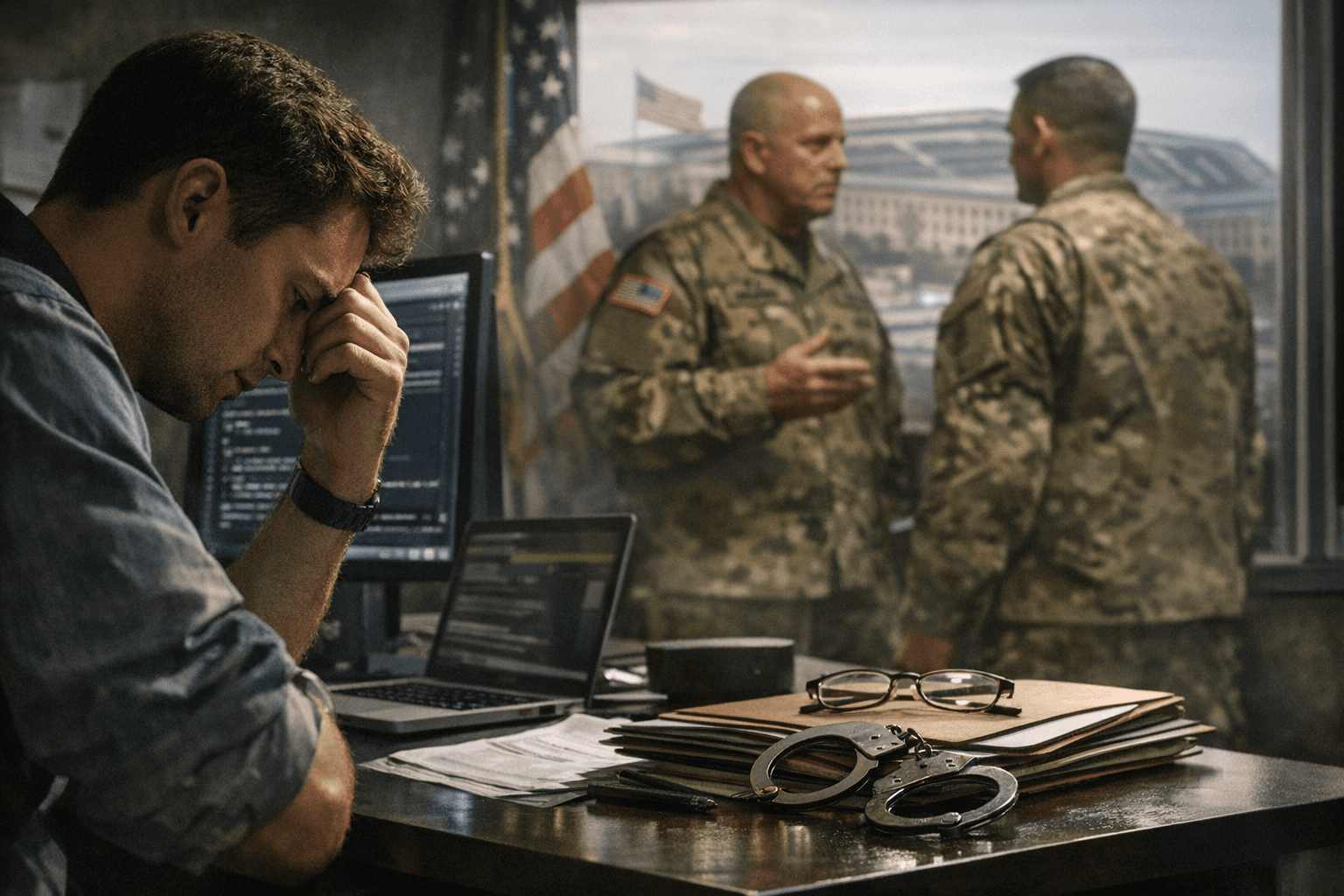
Anthropic CEO Dario Amodei says his company will not accept Pentagon contract language that would permit broad government use of its Claude model, setting up a Friday evening deadline the Defense Department has tied to possible Defense Production Act enforcement and removal from the DoD supply chain. Roic Ai and Marcus Hensley reported the deadline and the DPA threat; Amodei framed the dispute as a matter of principle.
“We have much more in common than we have differences,” Amodei said, but he told officials the company “cannot in good conscience accede to their request,” according to BBC reporting. Anthropic has named two explicit limits it will not abandon: preventing Claude’s use for what Amodei called “mass domestic surveillance” and for “fully autonomous weapons,” and the company said such uses “have never been included in our contracts with the Department of War, and we believe they should not be included now,” BBC reported.
The standoff carries immediate commercial stakes. Roic Ai and Marcus Hensley say a July 2025 Pentagon contract valued at roughly $200 million is at risk if the dispute is not resolved. Anthropic has warned it will challenge any formal penalties in court once it receives official notice, the Associated Press reported.
Pentagon officials have publicly pushed back. BBC coverage cited U.S. Undersecretary for Defense Emil Michael calling Amodei’s stance dangerous on social media, writing that Amodei “wants nothing more than to try to personally control the US Military and is ok putting our nation's safety at risk.” In a CBS News interview cited by BBC, Michael added, “At some level, you have to trust your military to do the right thing.” The Pentagon has defended its procurement posture while asserting existing law and policy already bar certain misuses of AI, according to reporting.
OpenAI CEO Sam Altman told employees in an internal meeting that his company is negotiating a possible deal that could help resolve the impasse, Roic Ai reported. Altman posted publicly that OpenAI tried to “de-escalate” and acknowledged mistakes in communications, writing, “We shouldn’t have rushed to get this out on Friday... we were genuinely trying to de-escalate things and avoid a much worse outcome, but I think it just looked opportunistic and sloppy,” WTOP and the Associated Press reported. Altman also told staff that “There are many things the technology just isn’t ready for, and many areas we don’t yet understand the tradeoffs required for safety. We will work through these, slowly, with the (Pentagon), with technical safeguards and other methods,” according to AP coverage.
The dispute has ignited industry and public reaction. Marcus Hensley and Roic Ai report more than 220 verified employees at Google and OpenAI signed petitions opposing military AI use for surveillance or autonomous killing without additional oversight. AP said the Trump administration ordered agencies to stop using Claude and designated the system a supply-chain risk, and Sensor Tower data cited by AP showed Claude briefly outpacing ChatGPT in U.S. phone app downloads the referenced week.
At issue are contract terms and the Pentagon’s apparent effort to preserve flexibility through qualifiers such as “as appropriate,” a point The Atlantic flagged as a potential loophole. Anthropic has offered to work with the Pentagon to improve reliability and to enable a smooth transition should DoD offboard the company, BBC reported. With the Friday deadline approaching, the confrontation will test procurement norms, legal limits on federal contracting, and how private AI firms set and enforce ethical constraints on national-security customers.
This article was produced by Prism’s automated news system from verified source data, official records, and press releases, then run through automated quality and moderation checks before publishing. The system is built and supervised by the people who set the standards it runs under. Read our full AI policy.
Did this article answer your question?