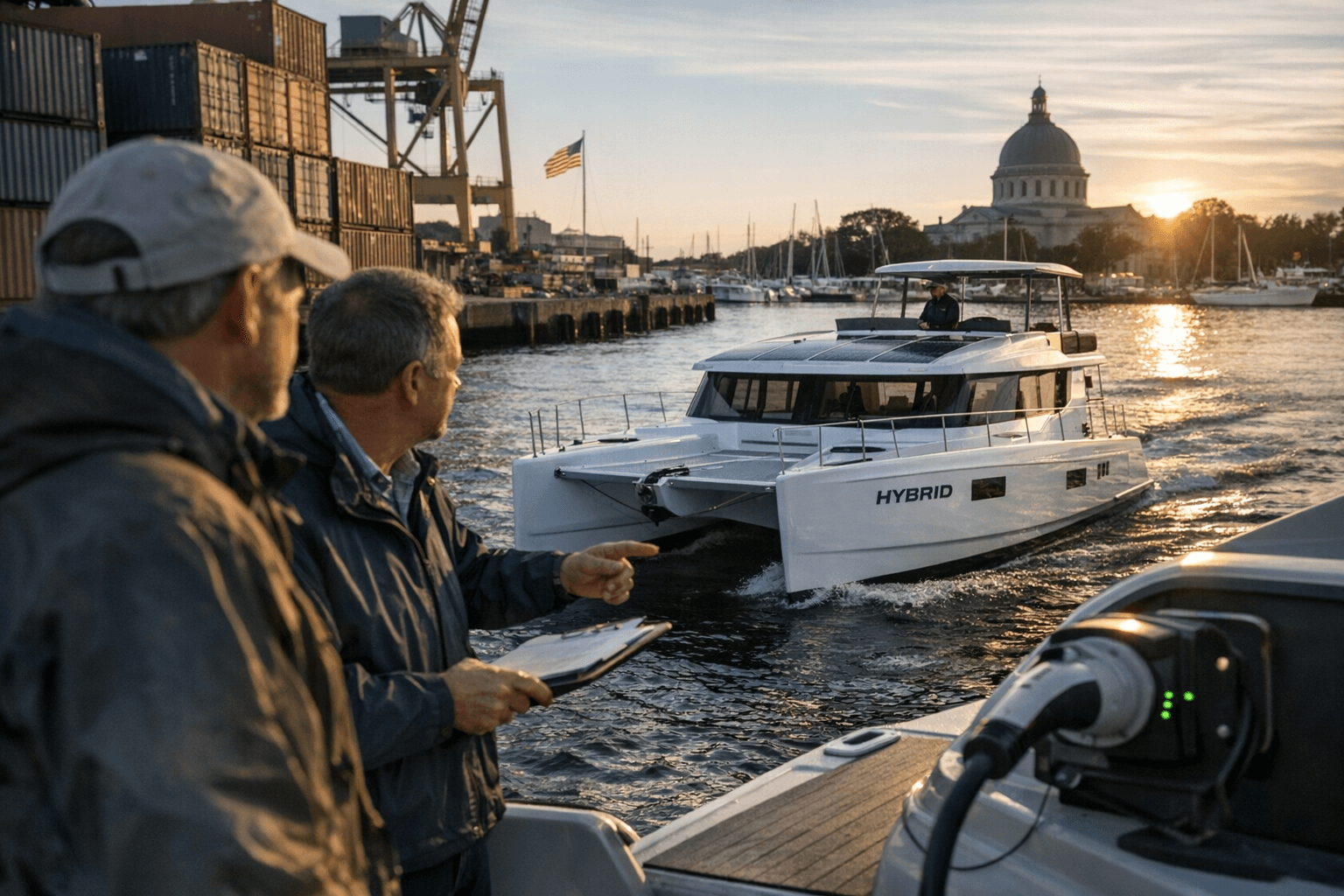
Antifouling Critical for Catamarans as Fouling Doubles Drag and Corrosion
Barnacles, algae and slime double the wetted area catamarans need to protect, increasing drag, fuel use and corrosion risk in hulls and bridgedeck tunnels.
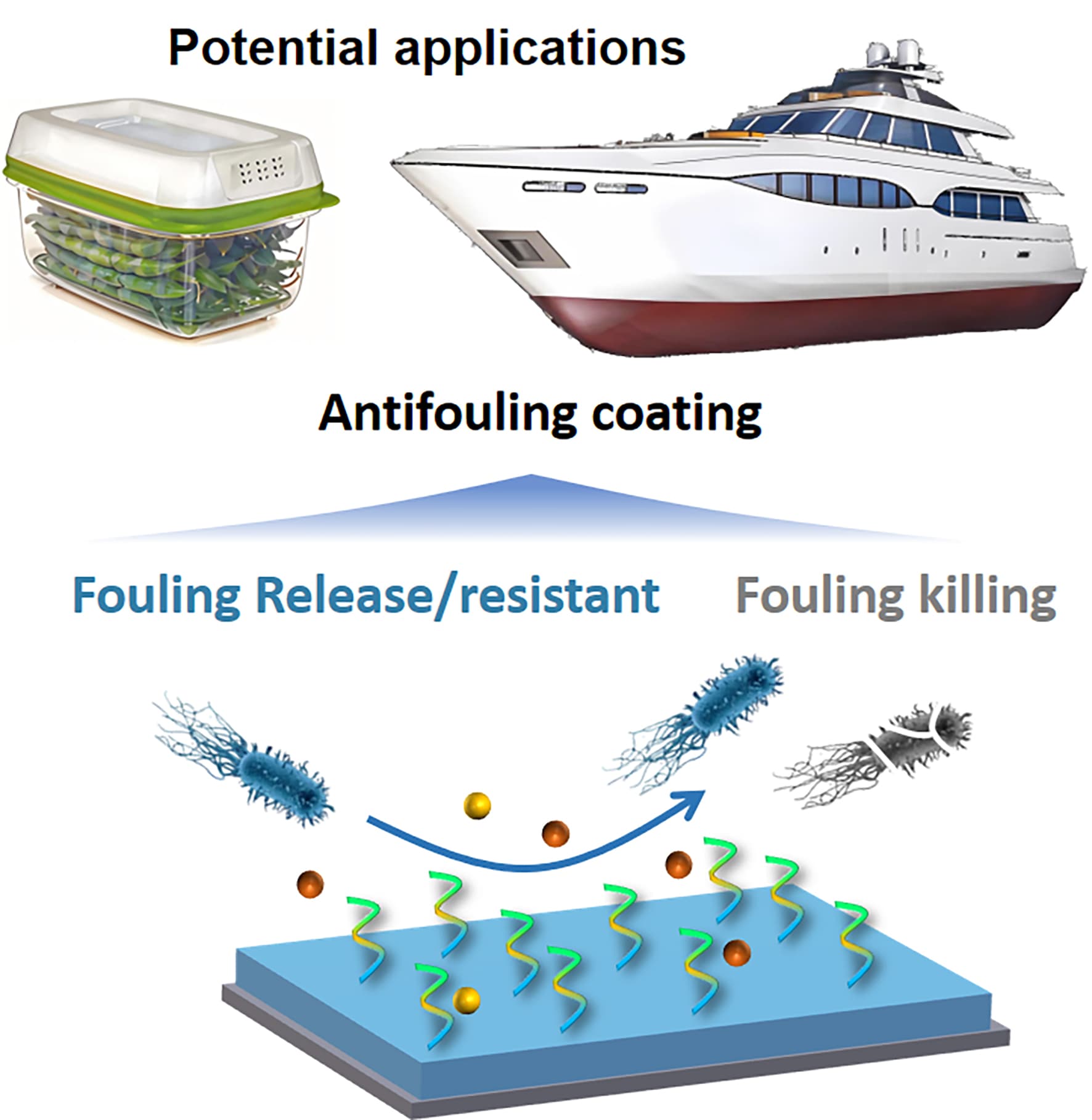
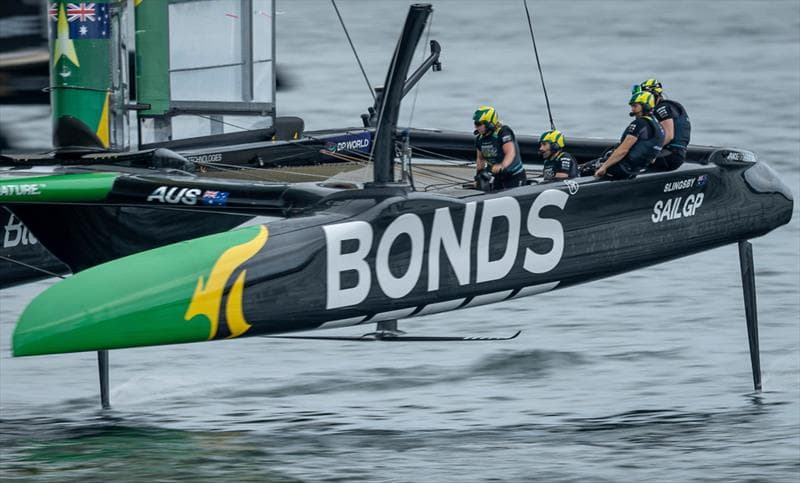
Catamaran owners face a clear maintenance imperative: biofouling from barnacles, algae and slime reduces speed, raises fuel consumption and accelerates corrosion on metal fittings, so inspect both hulls and bridgedeck tunnels before the cruising season. Whether you own a sailing multihull or a powercat, the consequences show up as slower passages and higher operating costs.
Two hulls mean two times the wetted area that requires antifouling protection, and that doubled surface translates into doubled exposure to drag and corrosive agents. For owners who track performance, even modest slime buildup on each hull multiplies resistance through the water; for powercats, that directly increases fuel burn, while for sailing cats it erodes passage-making speed.
Bridgedeck tunnels are a particular trouble spot for catamarans because they trap water flow and organic growth; slime and algae collect in those confined spaces and increase contact with through-hull metal fittings. Metal fittings exposed in tunnels and along hull topsides experience accelerated corrosion when fouling is present, so routine checks of fittings and hardware in tunnels are essential to prevent faster material degradation.
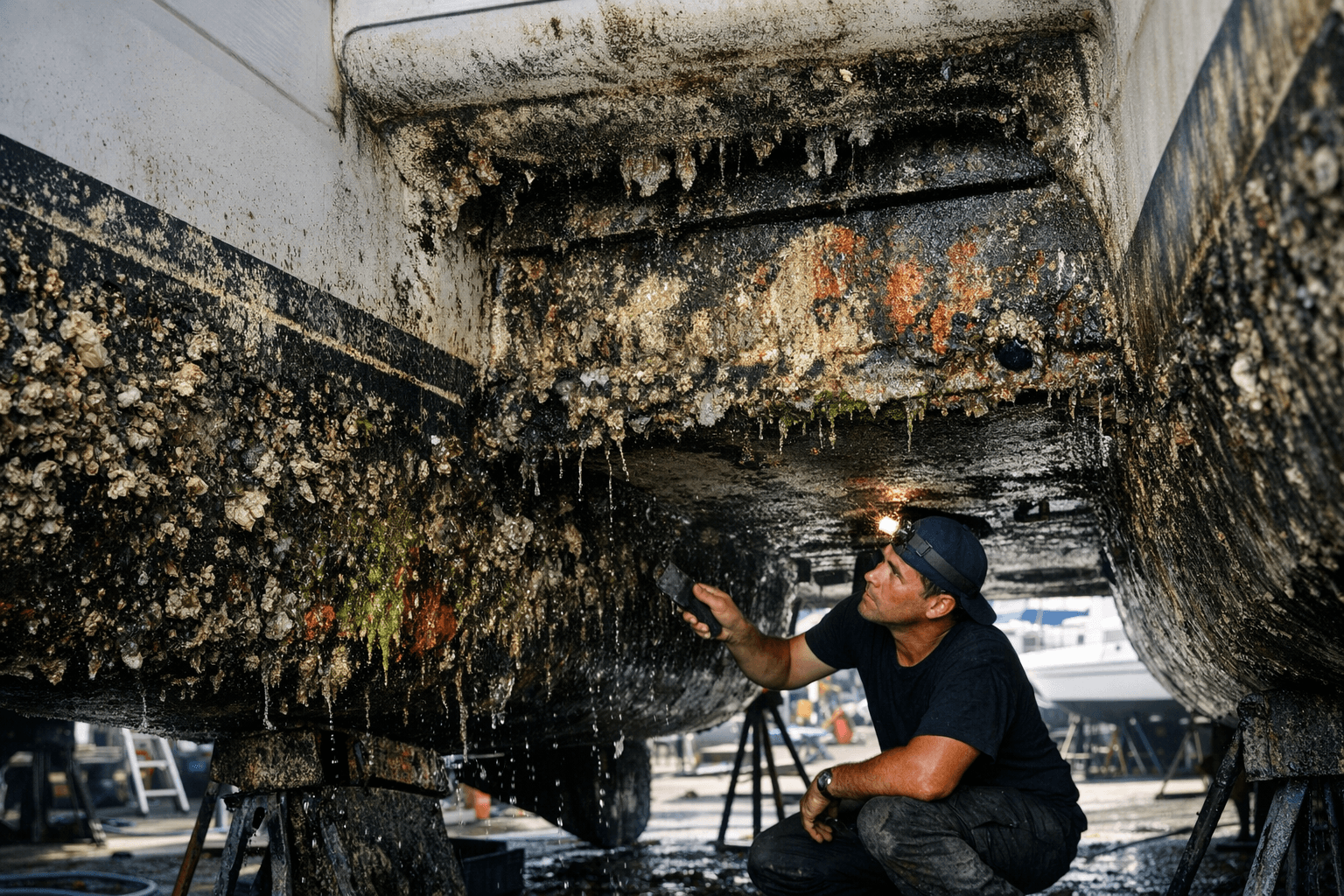
The maintenance workload and material costs reflect the geometry of multihulls. Sanding, priming and applying antifouling to two hulls doubles labor hours and coating area compared with a monohull, and neglected bridgedeck tunnels often require additional cleaning or targeted coatings to control barnacle and algal settlement. Owners should factor the doubled coating area into yard schedules and budgets when planning haulouts or professional antifouling applications.
Treating antifouling as both a performance and preservation strategy will pay dividends across seasons: clean hulls preserve speed, limit fuel consumption on powercats, and slow corrosion on metal fittings in hulls and tunnels. Schedule hull and tunnel inspections, plan coatings for both hulls, and prioritize hardware checks so barnacles, algae and slime do not quietly double the drag and corrosion burden on your catamaran.
Know something we missed? Have a correction or additional information?
Submit a Tip