Anwar weighs snap election as Malaysia coalition tensions grow
Anwar’s coalition is fraying as subsidy costs soar, raising the odds of a snap vote before 2028 and turning household prices into a test of his mandate.
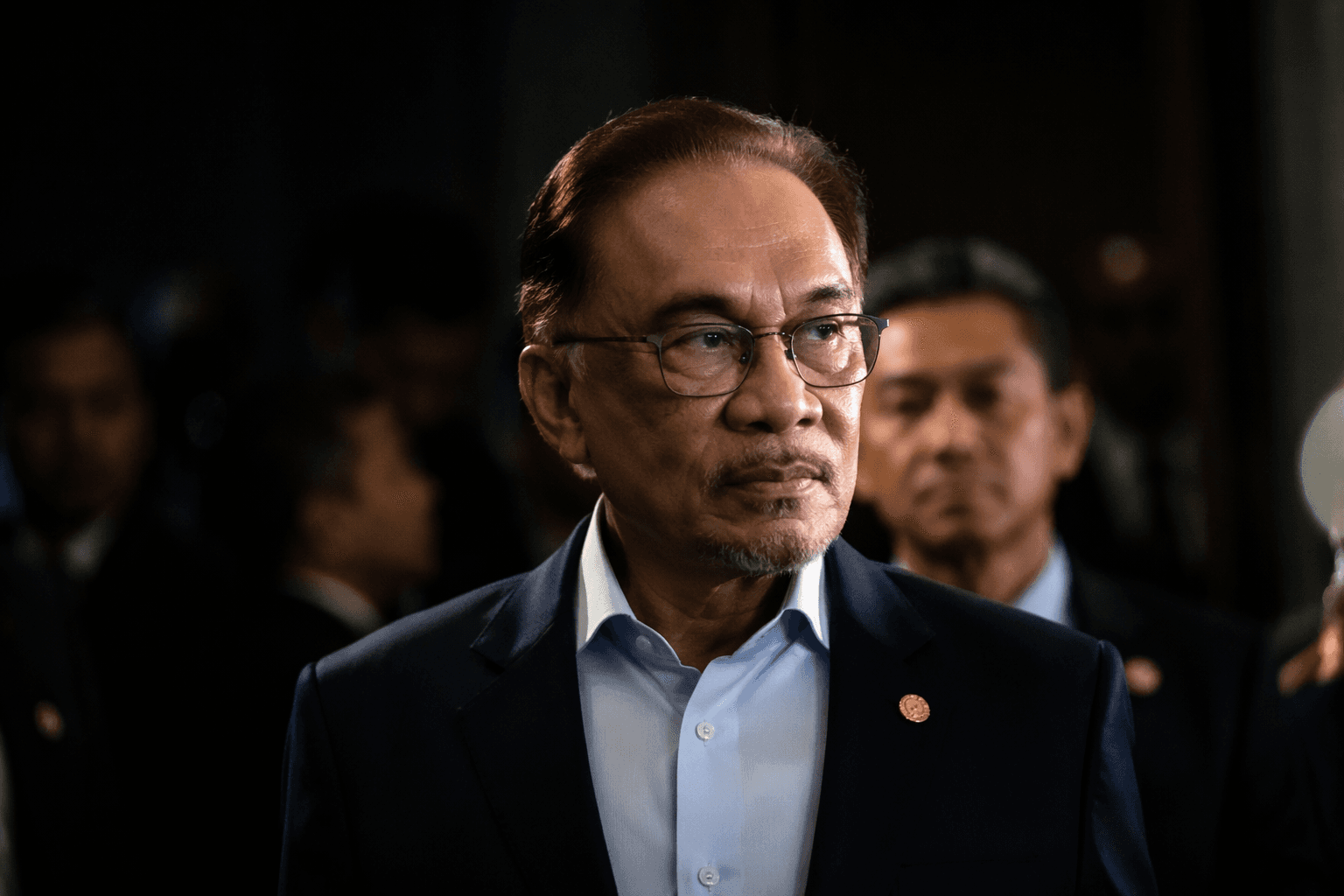
Anwar Ibrahim is weighing a snap election as his governing coalition comes under strain and the cost of keeping fuel and basic goods affordable keeps climbing. The political calculation is no longer just about parliamentary maneuvering in Kuala Lumpur. It is about whether rising living-cost anger could turn into a direct judgment on Anwar’s economic credibility.
Malaysia’s next general election is not due until February 17, 2028 at the latest, if the 15th Parliament runs to the end of its maximum term. But Anwar can seek the king’s consent to dissolve parliament earlier, and Sultan Ibrahim met him on May 17 after Anwar first raised the possibility of an early vote. Government lawmakers had already been talking in March about a possible election as soon as July 2026, a timetable that would let federal and state contests be aligned more neatly.
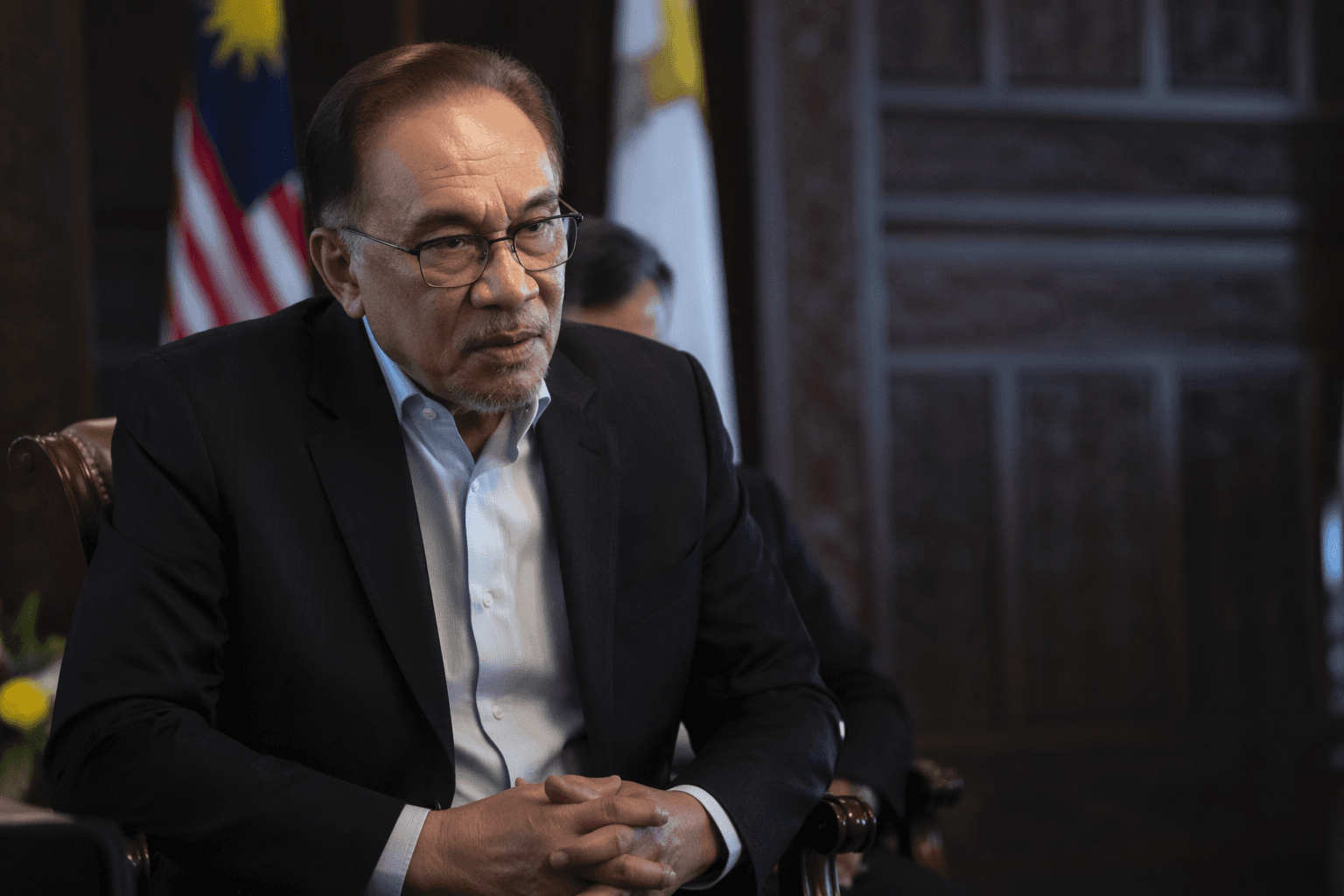
That timing matters because Malaysia is approaching a heavy state-election cycle. Johor must vote by February 25, 2027 unless dissolved earlier, while Sabah and Sarawak are also expected to go to the polls before 2028. Some officials see a combined or closely sequenced election as the cleaner option. In a federal system where turnout, logistics and campaign money all matter, aligning the calendars could be politically efficient as well as administratively simpler.
The deeper problem for Anwar is that his unity government was built to contain instability, not to eliminate it. The arrangement emerged after the November 19, 2022 election produced Malaysia’s first federal hung parliament. Anwar was appointed prime minister on November 24, 2022, and his unity government was announced on December 16, bringing together Pakatan Harapan, Barisan Nasional and other parties in a 129-seat bloc. That coalition restored a measure of calm after years of churn and multiple prime ministers, but it has since been tested by corruption controversies, concerns about democratic backsliding and defections.
The strain became more visible in May when two prominent ruling-coalition figures, Rafizi Ramli and Nik Nazmi Nik Ahmad, resigned from party leadership roles and later vacated their parliamentary seats. Their departures intensified speculation about further defections and possible by-elections, even as Malaysia’s party-hopping laws limit lawmakers from switching sides without consequence. UMNO’s separate contest plans in an upcoming state race have also fed the sense that the coalition’s seams are widening.
Economics may be the most dangerous front. Malaysia’s fuel subsidy bill has surged this year as higher global oil prices, driven by the Iran-related Middle East crisis, squeezed public finances. One estimate put the monthly burden at about RM700 million before it jumped to roughly RM3.2 billion. Anwar later said the broader fuel-support cost had climbed to about RM7 billion a month, and he pointed to an oil export-import deficit of more than US$7 billion.
That pressure explains the political gamble. Any fuel-price adjustment or subsidy cut would be deeply unpopular, especially for households already feeling the pinch. For Anwar, a fresh mandate before those moves could be an attempt to buy room to govern. For voters, it is becoming a referendum on whether the coalition can still protect living standards while holding together.
This article was produced by Prism’s automated news system from verified source data, official records, and press releases, then run through automated quality and moderation checks before publishing. The system is built and supervised by the people who set the standards it runs under. Read our full AI policy.
Did this article answer your question?