AP photographer Dang Van Phuoc, Vietnam war front-line veteran, dies at 91
Dang Van Phuoc died at 91 after five wartime wounds and an eye lost to a grenade, yet he kept shooting from the point man’s shoulder in Vietnam.
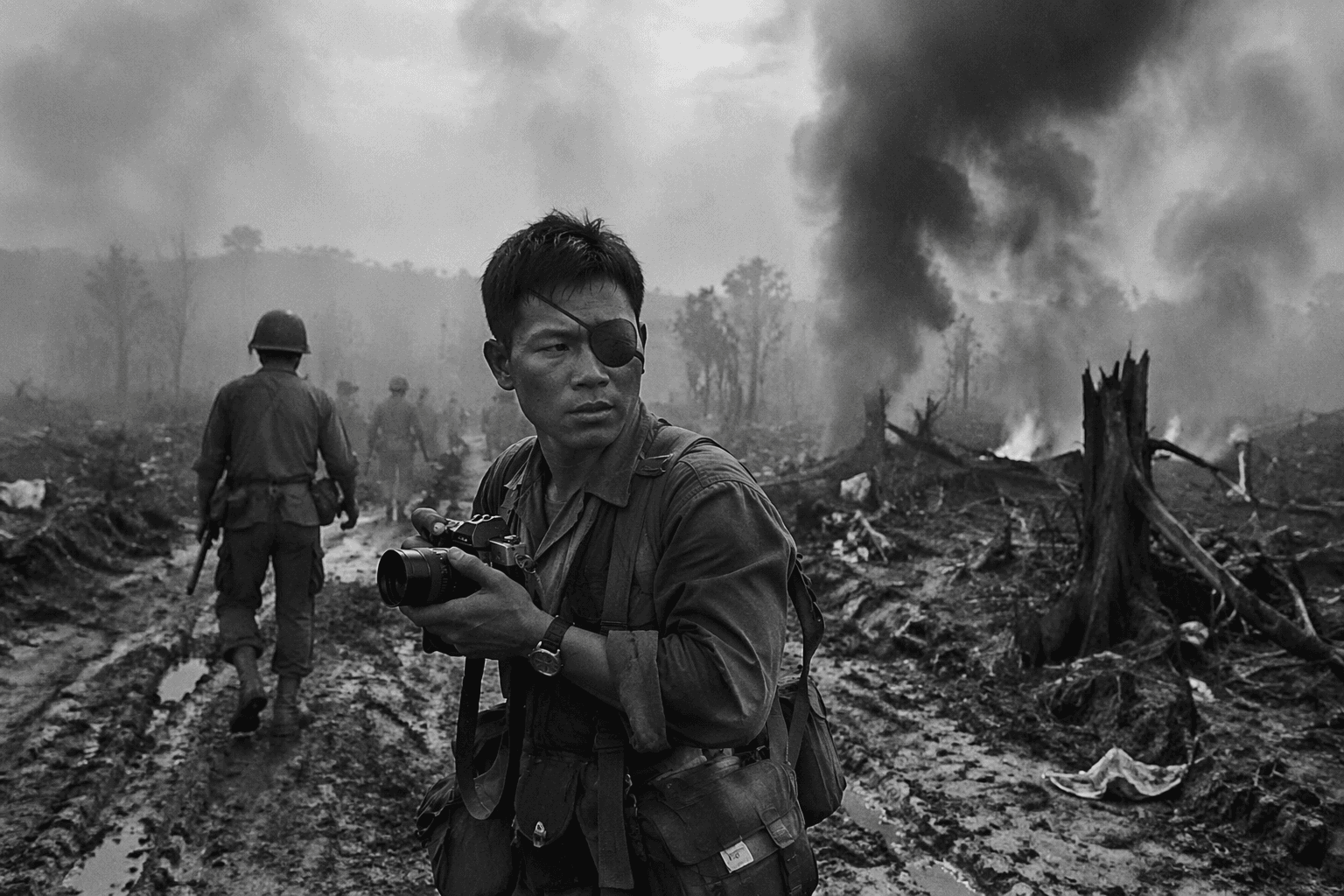
Dang Van Phuoc spent a decade moving with combat patrols in Vietnam, often at the head of the column, where the photographs came from the same place the bullets did. He died Saturday, May 23, 2026, in Southern California after collapsing suddenly. He was 91, not 90, a correction that matters in a life measured by war, risk and survival.
Phuoc was born in 1935 in a village near Quang Ngai, south of Da Nang, the youngest of many siblings. His father was killed when he was about 10 by local Viet Cong members, and his mother later died, leaving him homeless. He found a path into photography while helping at a Saigon film studio, then built a reputation for instinct and nerve that would carry him into the front lines of the Vietnam War.
The Associated Press hired Phuoc in 1965, sending him into the field after another local hire had been killed on assignment. Horst Faas, AP’s former photo chief, later called him the agency’s "secret weapon." Among journalists and U.S. and South Vietnamese troops, Phuoc became known for finding the thick of the action, often by walking with the "point man" on patrols, a position that brought him closer to the fighting and the pictures that defined it.
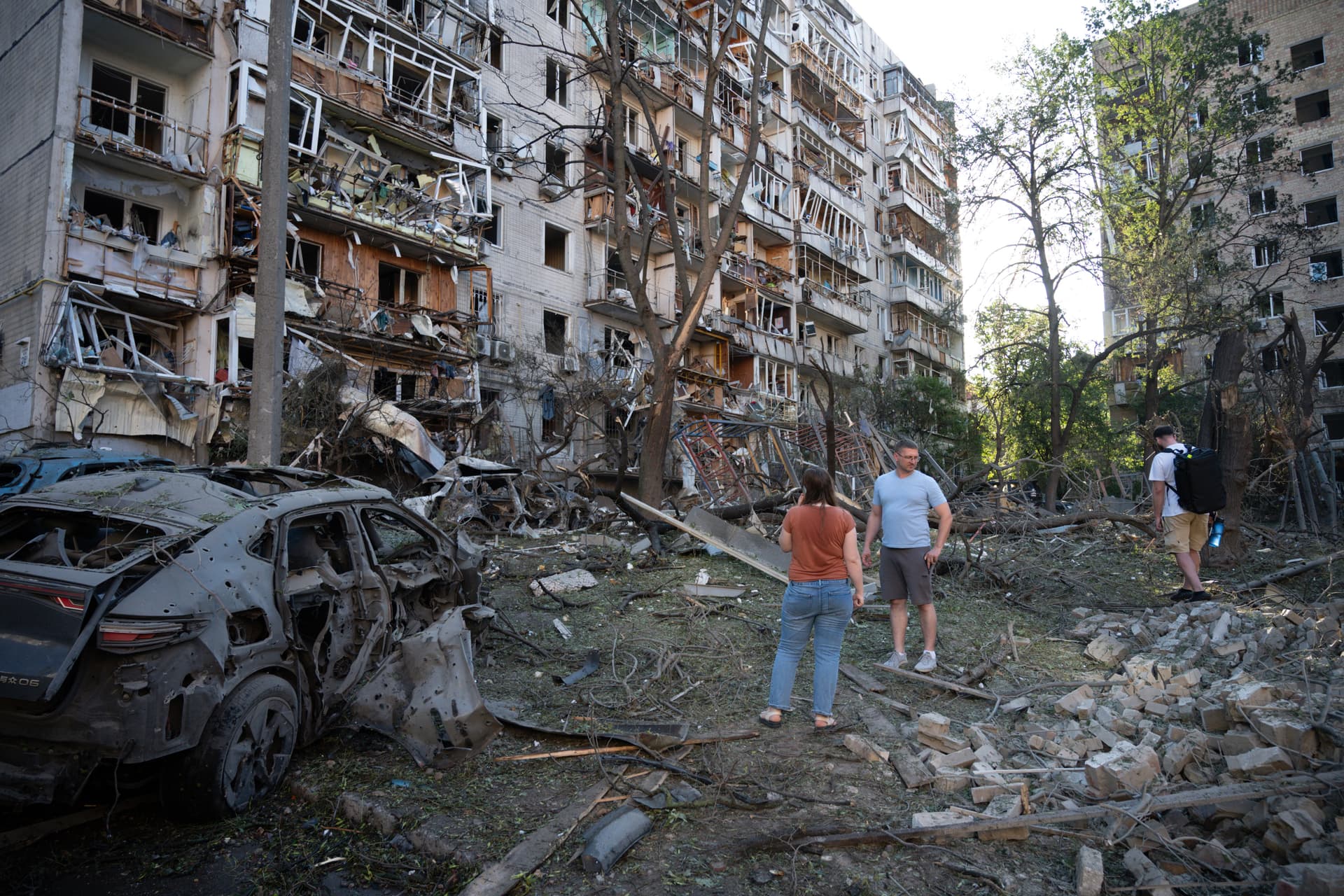
That closeness came at a cost. Phuoc was wounded at least five times during his 10 years with AP. A grenade blast about five months after he was hired sent shrapnel into his chest and leg. A 1968 rocket strike while he covered street fighting in Saigon left him with a concussion. The worst injury came in 1969, when a grenade explosion south of Da Nang cost him his right eye.
Even after that, he kept working. AP file photos showed him in a Vietnamese military hospital in Can Tho on March 19, 1969, after a serious battlefield injury, a stark reminder that the war’s visual record was made not only by foreign correspondents but also by local journalists who shared the same danger and often the same exposure to fire.
In 1968, Phuoc risked sniper fire to carry a wounded U.S. soldier to safety and received a commendation from the Ninth U.S. Army Infantry Division. His career stands as a witness to history, and to the price paid by the men who made that history visible.
This article was produced by Prism’s automated news system from verified source data, official records, and press releases, then run through automated quality and moderation checks before publishing. The system is built and supervised by the people who set the standards it runs under. Read our full AI policy.
Did this article answer your question?