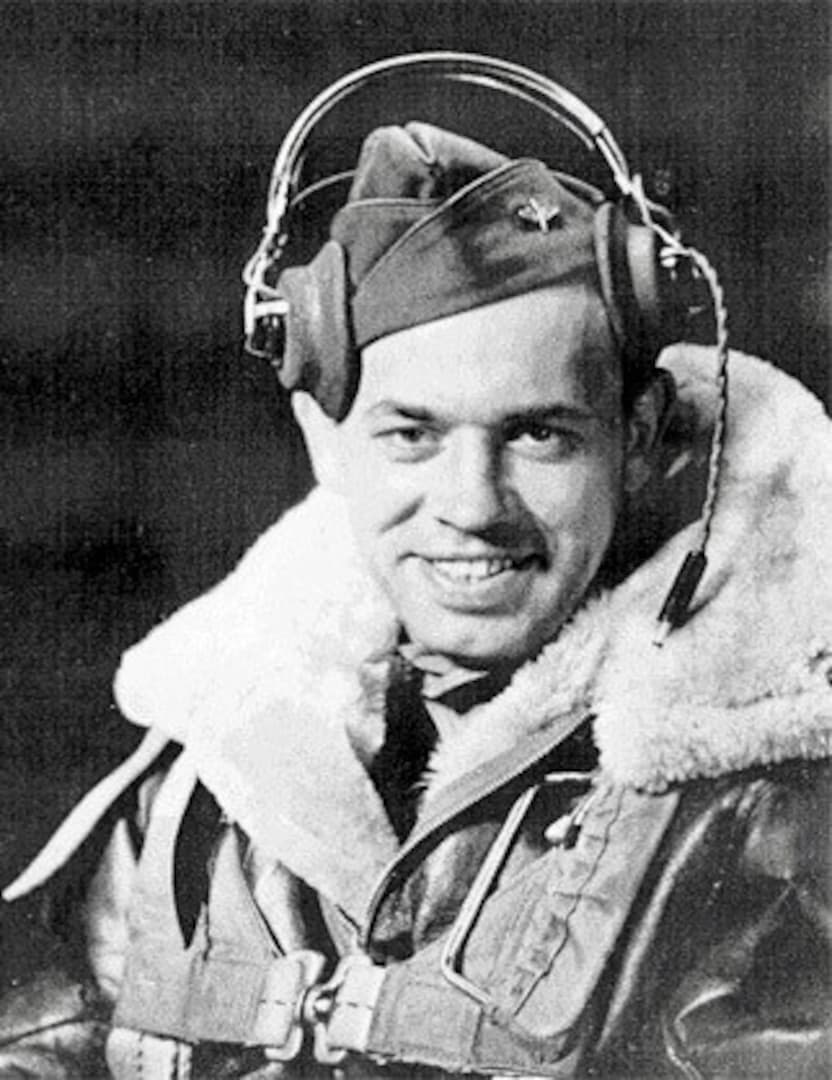
Apollo 16 moonwalker Charles Duke reflects on NASA's Artemis II mission
Charles Duke, the youngest moonwalker, weighs Apollo 16 against Artemis II as NASA sends four astronauts farther from Earth than any crew before.
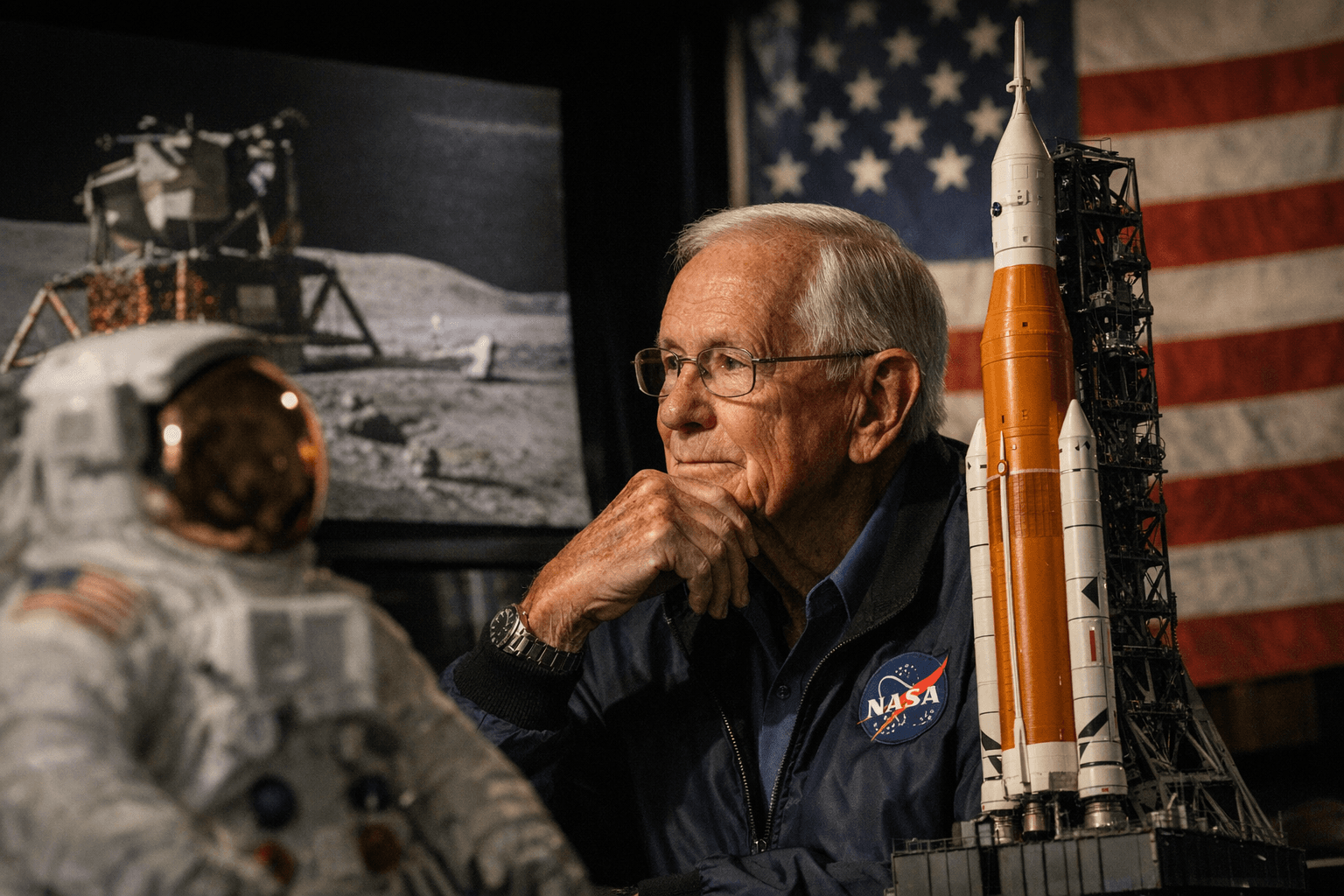
Charles Duke helped carry Apollo’s national mission to the Moon in 1972, and now he is watching NASA test a far less unified version of American ambition. The 1972 Apollo 16 flight was a federal project with one clear chain of command, one set of goals, and a country still organized around Cold War competition. Artemis II shows a different model: NASA goals, international partnership, and a growing commercial space sector operating alongside government authority.
Duke was selected by NASA in April 1966 as part of its fifth astronaut group. He later served as the spacecraft communicator for the Apollo 11 Moon landing before flying as lunar module pilot on Apollo 16 with commander John W. Young and command module pilot Thomas K. Mattingly II. Apollo 16 lifted off on April 16, 1972, from Launch Pad 39A at Kennedy Space Center, entered lunar orbit on April 19, and then sent Young and Duke down to the Descartes site. Duke became the tenth person to walk on the Moon, and at age 36 he was the youngest to do it. NASA says he left a photograph of his family on the lunar surface, marked with an inscription identifying them and the date.
Artemis II reached the Moon in a markedly different era. NASA launched the 10-day mission on April 1, 2026, and it splashed down on April 10, carrying Reid Wiseman, Victor Glover, Christina Koch, and Canadian Space Agency astronaut Jeremy Hansen around the Moon and back. NASA says the flight covered 694,481 miles and reached 252,756 miles from Earth, farther than Apollo 13 astronauts traveled in 1970. The agency is presenting the mission as a step toward future lunar surface landings and eventual Mars travel.
The contrast matters beyond nostalgia. Apollo drew on a rare level of public consensus, federal control, and urgency that made moon landings feel like a single national undertaking. Artemis reflects a more fragmented age, one in which NASA sets the destination but increasingly shares the stage with international partners and commercial interests. That mix may broaden capability and spread cost, but it also raises a harder question about civic purpose: what is gained when space becomes more flexible, and what is lost when the country no longer moves there as one.
Duke remains one of four living American moonwalkers, alongside Buzz Aldrin, David Scott, and Harrison Schmitt. His reflections land at a moment when NASA is trying to turn a one-off feat into a sustained presence, with the Moon again serving as a test of how much national will still exists behind American exploration.
This article was produced by Prism’s automated news system from verified source data, official records, and press releases, then run through automated quality and moderation checks before publishing. The system is built and supervised by the people who set the standards it runs under. Read our full AI policy.
Did this article answer your question?