Appeals court blocks Trump order on mail-in voting
The 1st U.S. Circuit kept Trump’s mail-voting order on hold in 23 states, reinforcing that presidents cannot rewrite election rules alone.
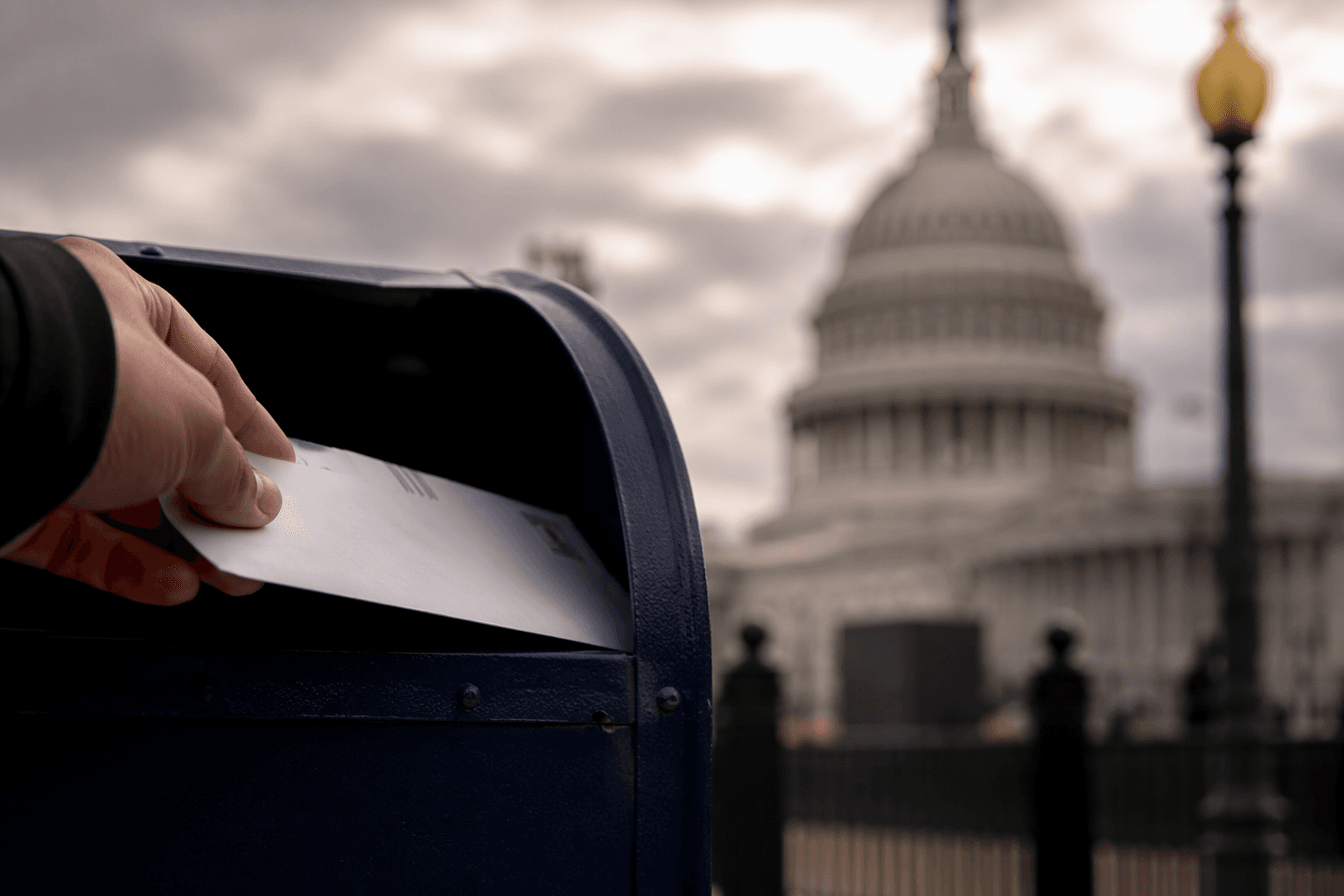
A Boston-based federal appeals court blocked President Donald Trump’s administration from enforcing its mail-in voting order in 23 states, leaving in place a lower-court injunction that found key parts of the directive unconstitutional.
The 1st U.S. Circuit Court of Appeals acted on July 25, declining to lift the June 25 injunction while legal challenges continue. The ruling reached far beyond a procedural fight over one White House action: it underscored that election administration is divided among the states, Congress and federal agencies, not controlled by unilateral presidential decree.
Trump signed the March 2025 executive order, titled Preserving and Protecting the Integrity of American Elections, as part of a broader push to tighten voting rules. The order targeted mail voting, a system that remains heavily used in many states and can affect turnout, ballot-counting timelines and election-night narratives. NPR reported that the injunction applied to 23 mainly Democratic-led states plus Washington, D.C., putting much of the country under the court order that Trump’s team sought to suspend.
The case, League of Women Voters v. Trump, was filed by civil rights and voting organizations challenging the administration’s attempt to reshape election administration through executive action. The Brennan Center said more than a year after the order was issued, many provisions were still blocked or under challenge in federal courts. In a separate ruling, the ACLU said a federal court permanently blocked a provision that would have required voters registering on the federal form to show a passport or similar proof of citizenship.

The appeals court’s decision gives opponents of the order another precedent to cite as they argue that the president exceeded his authority. It also signals a steep legal obstacle for any future effort to impose a single national standard on mail voting through the executive branch, especially in a system where states set most voting procedures and Congress can legislate nationwide rules when it chooses.
The dispute is likely to continue. Reuters said the government may take the case to the Supreme Court, where the next phase could further define how far a president can go in trying to influence mail voting across state lines.
This article was produced by Prism’s automated news system from verified source data, official records, and press releases, then run through automated quality and moderation checks before publishing. The system is built and supervised by the people who set the standards it runs under. Read our full AI policy.
Did this article answer your question?