Appeals court refuses rehearings in Marilyn Mosby federal cases
The 4th Circuit denied rehearings of Marilyn Mosby's perjury and mortgage fraud appeals, leaving prior rulings in place. The decision affects local trust in elected officials and legal accountability.

The 4th U.S. Circuit Court of Appeals on Jan. 16 rejected petitions from former Baltimore State’s Attorney Marilyn Mosby and federal prosecutors seeking rehearings in two related federal cases. The order means the court’s earlier panel decisions remain in place: the mortgage fraud conviction was tossed while two perjury convictions were upheld.
A three-judge panel had ruled 2-1 last year to overturn the mortgage fraud conviction while sustaining two counts of perjury. The mortgage fraud case centered on a jury finding that Mosby falsely represented that her then-husband, then-City Council President Nick Mosby, had agreed to “gift” $5,000 toward closing on a Florida condominium. The appeals panel agreed with Mosby’s lawyers that the jury instructions regarding the proper venue for the case were, in the court’s words, “erroneously overbroad,” a legal error that undercut the conviction.
In the separate perjury prosecution, Mosby was convicted of falsely claiming a Covid-19 pandemic-related hardship to withdraw retirement funds without penalties. At the time she held the city’s top prosecutor post with a salary of nearly $250,000. Prosecutors say Mosby used the withdrawn funds to purchase two Florida vacation properties. U.S. District Court Judge Lydia Kay Griggsby imposed a sentence that included three years of supervised release and 12 months of home detention with electronic monitoring; Mosby has completed that period and pursued appellate review.
Both Mosby’s request for a rehearing en banc and the government’s cross-petition were circulated to the full court, but no judge asked that a poll be taken to consider either bid. With no en banc review ordered, the panel rulings stand as the controlling appellate decisions in the case for the 4th Circuit.
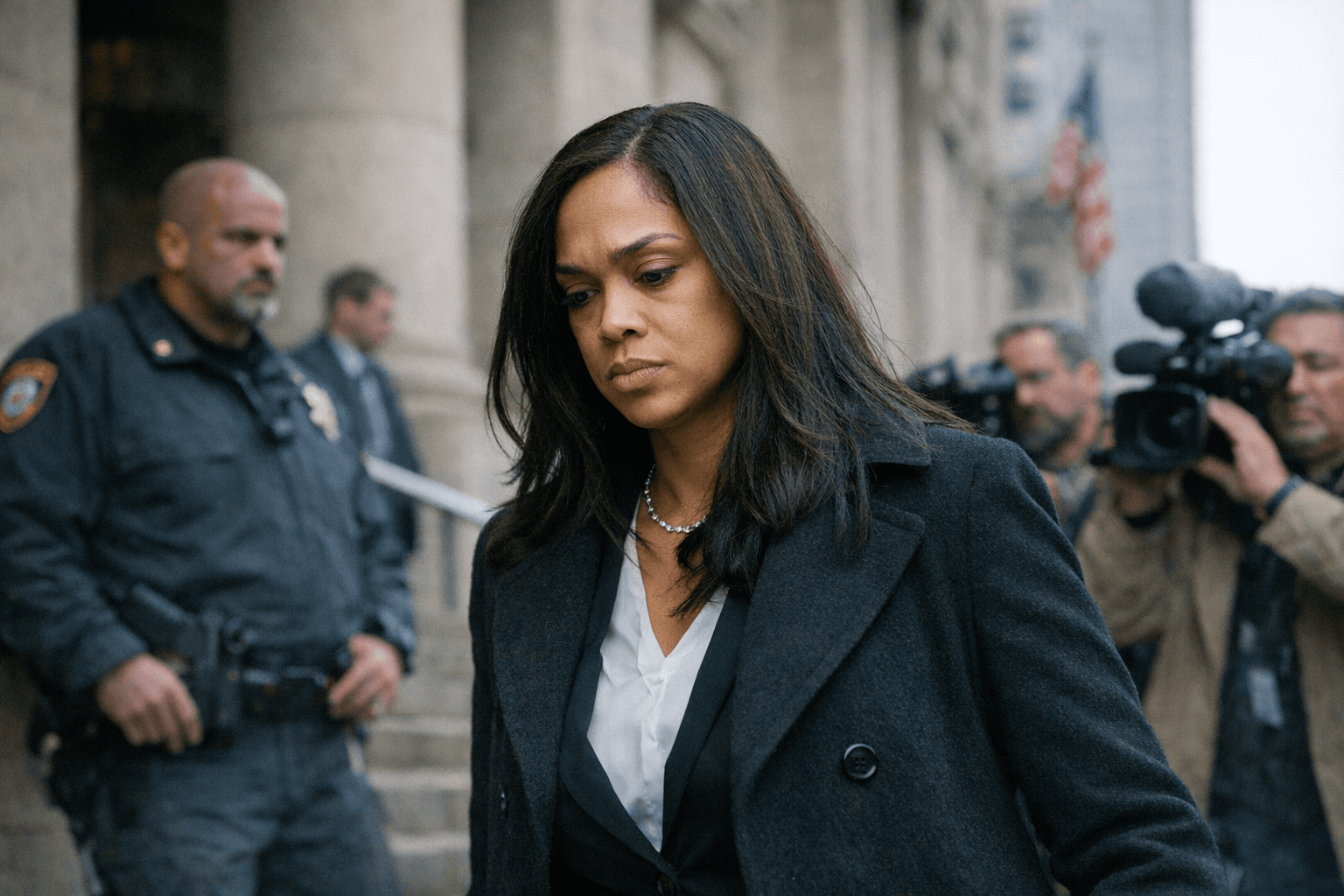
For Baltimore residents, the rulings close a chapter of high-profile litigation tied to the city’s prosecutorial leadership and raise enduring questions about ethics and oversight in city government. The split outcome — vacating a felony mortgage fraud verdict while leaving perjury convictions intact — underscores how procedural and technical legal issues can reshape criminal outcomes.
The immediate legal posture is settled at the circuit level, and the practical effects play out in public perception, institutional scrutiny, and the political conversation at City Hall. Baltimore voters and local officials will continue to assess how these decisions affect confidence in municipal governance and the standards to which elected prosecutors are held.
Sources:
Know something we missed? Have a correction or additional information?
Submit a Tip