Appeals panel lets Pentagon keep reporter escorts amid press rules fight
The Pentagon kept its escort rule for reporters after an appeals panel acted, extending a fight over who controls access inside the military’s headquarters.
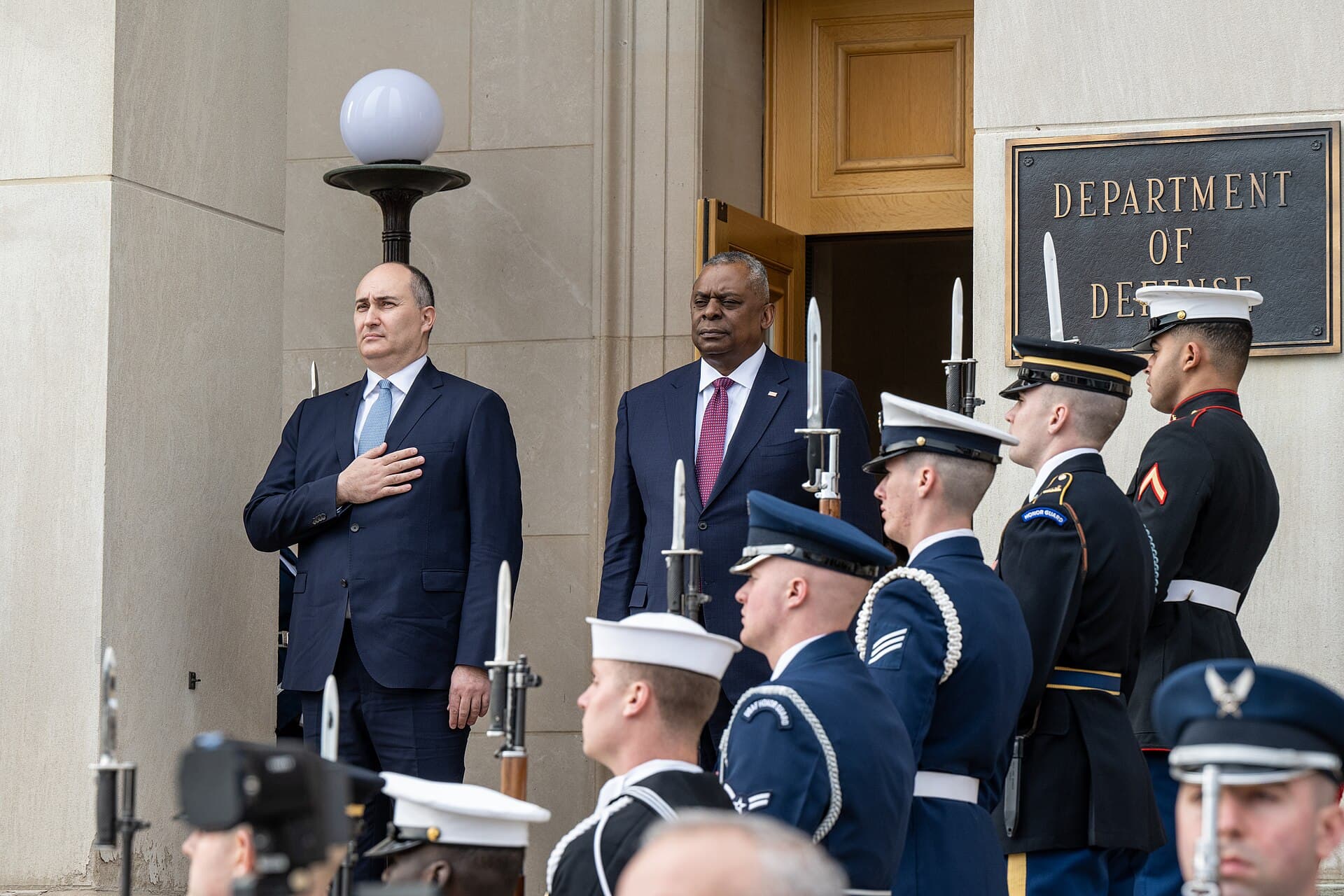
The Pentagon can keep requiring reporters to move through its headquarters with escorts for now, preserving a restriction that has turned a press-policy dispute into a broader test of access, secrecy and the First Amendment inside the country’s most powerful military complex.
The fight began after Defense Secretary Pete Hegseth rolled out a new Pentagon press policy in October 2025 that required journalists to sign rules governing how they handled information, including unclassified material, and warned that credentials could be revoked if reporters were judged a security or safety risk. Dozens of Pentagon correspondents refused to sign and surrendered their badges rather than accept the new terms.
The New York Times sued the Defense Department, Hegseth and Pentagon spokesperson Sean Parnell in December 2025, arguing that the policy violated the First and Fifth Amendments. On March 20, U.S. District Judge Paul L. Friedman of the U.S. District Court for the District of Columbia ruled for the Times, finding key parts of the policy unconstitutional and ordering the Pentagon to restore credentials for seven Times reporters.
Friedman later said the Pentagon had tried to evade that ruling with a revised policy that still required journalists to be escorted inside the building and moved them out of the longstanding Correspondents’ Corridor and into an annex outside the main Pentagon building. On March 23, Parnell announced that the Defense Department would shift journalists from their designated offices into a separate annex and require escorts at the Pentagon. On April 9, Friedman said the department was violating his earlier order and that it could not “reinstate an unlawful policy under the guise of taking 'new' action.”
The Pentagon said it disagreed, was appealing, and remained focused on security and the safe operation of the Pentagon Reservation. The Pentagon Press Association said the revised changes violated the court’s ruling, while the Freedom of the Press Foundation called the department’s actions unconstitutional. The Committee to Protect Journalists had welcomed Friedman’s March 20 ruling and urged the Pentagon to abandon the changes to its credentialing process.
The appeals ruling leaves in place a policy that may sound administrative but has immediate consequences for reporting inside the military’s headquarters. Escorts can control where reporters go, who they can approach and how easily they can pursue sources in a building where access itself is often the story. Friedman warned that curtailing First Amendment rights is dangerous at any time, and even more so in time of war, underscoring why this dispute has implications far beyond one building in Arlington, Virginia.
This article was produced by Prism’s automated news system from verified source data, official records, and press releases, then run through automated quality and moderation checks before publishing. The system is built and supervised by the people who set the standards it runs under. Read our full AI policy.
Did this article answer your question?