Apple adds new parental controls, giving kids safer device access
Apple’s new child-safety tools promised tighter controls over browsing, app use and contact lists. The bigger question is how much protection they add versus how much work they shift to parents.
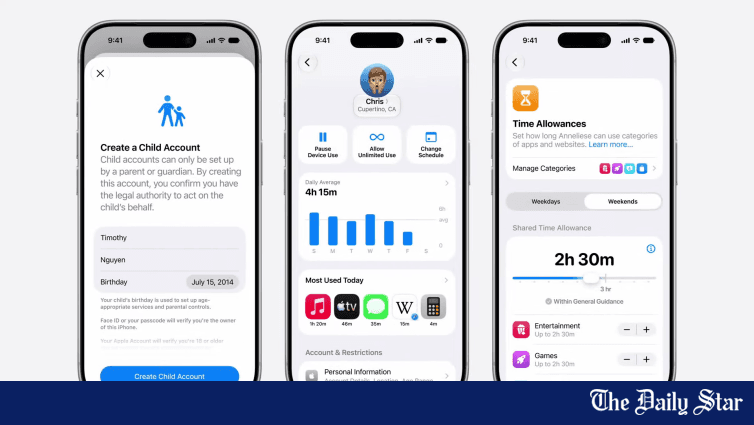
Apple moved to tighten the guardrails around children’s devices, adding tools that let parents control what kids see, who they can communicate with and when apps can open. The changes were previewed at WWDC 2026 in Cupertino, California, and Apple said they will arrive with fall software updates across iPhone, iPad, Mac, Apple Watch, Vision Pro and Apple TV.
The company’s pitch was straightforward: make devices safer for children without forcing families to surrender privacy. Apple said the update builds on its existing parental-controls and Screen Time framework, with a simpler Child Account setup that defaults to age-appropriate settings, Ask to Browse for approval before children open new websites in Safari, Time Allowances for app and category limits, and a redesigned Screen Time interface.

Apple said Child Accounts are required for children under 13 and available through age 18, a reminder of how much of the child-safety burden is now being pushed into software. For parents, the appeal is obvious. The tools reach beyond screen-time timers and into day-to-day decisions about browsing, app access and communication, the kinds of choices many families have struggled to enforce consistently on their own.
The company also expanded protections first previewed in 2025. That earlier update added more ways to manage Child Accounts, share a child’s age range and apply more granular age ratings in the App Store. Apple said the newer changes include age-range sharing with apps through a Declared Age Range API, along with stronger age-based app and communication protections already rolling out in iOS 26-era software.
The policy question is whether these tools meaningfully improve child safety or mainly make Apple the default rule-maker for family digital life. In the absence of stronger national standards, Apple is setting de facto expectations for how apps should treat children, what information parents should share and how much control a platform should keep behind the scenes. That approach may give families more protection, but it also deepens Apple’s role as both gatekeeper and referee.
Apple said the features were informed by guidance from online safety and health experts, and the company framed the package as a way to help families create safer digital experiences while keeping sensitive data private. As the fall software releases approach, the real measure will be whether these controls reduce exposure for children without turning parents into full-time moderators of every tap, swipe and request.
This article was produced by Prism’s automated news system from verified source data, official records, and press releases, then run through automated quality and moderation checks before publishing. The system is built and supervised by the people who set the standards it runs under. Read our full AI policy.
Know something we missed? Have a correction or additional information?
Submit a Tip