Apple beta code hints at iPhone Restricted Mode for missed payments
Apple’s beta code suggests a financed iPhone could be throttled into “Restricted Mode” after missed payments, raising fresh questions about debt control inside a device people already own.
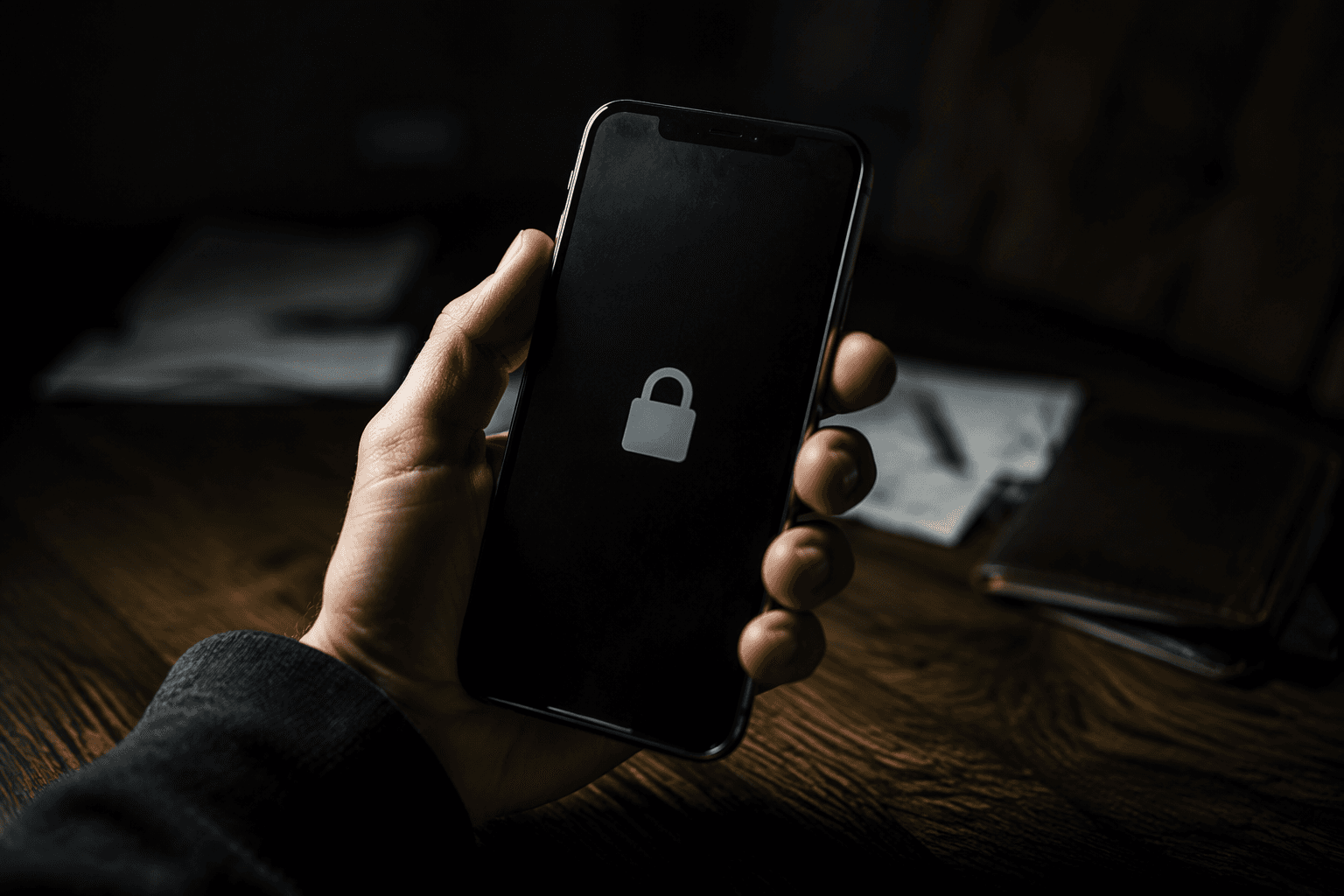
Apple’s iOS 27 beta appears to contain code for a “Restricted Mode” that could limit a financed iPhone after missed payments, a step that would move debt enforcement into the software of a device already in a consumer’s hands. The finding lands as Apple prepares a new leasing-style financing push and sharpens the question of what protections borrowers would have if access to apps and services can be turned down remotely.
The code discovery follows Bloomberg’s report that Apple is preparing an “Apple Upgrade” program aimed at making devices more accessible through leasing. Bloomberg said the plan could use Klarna, include iPhones, Macs, iPads and Apple Watches, and run on 24- or 36-month terms. Other coverage said the program could arrive later this month in the United States, with a soft credit check and no AppleCare+.
Apple already has multiple ways to spread out device costs. Its website offers Apple Card Monthly Installments for Apple products interest-free, while Apple Support says Apple Pay installment checkout requires a compatible iPhone or iPad with iOS 18 or iPadOS 18 or later for online and in-app purchases, and iOS 26 or later for in-store purchases on iPhone. Apple also still lists U.S. terms for the iPhone Upgrade Program. The company has spent years building a financing stack around its hardware, and the beta code suggests it is now considering a stronger penalty for falling behind.
That prospect arrives after Apple ended Apple Pay Later in the United States, saying it would shift payment plans to third-party credit and debit card lenders. NBC News said Apple stopped issuing loans through Apple Pay Later after launching the service the prior year. Apple’s move shut down its in-house buy now, pay later loan scheme, but left existing borrowers able to keep managing payments under the old system.
The broader policy issue is not the novelty of leasing, but the balance of power when a company can preserve physical possession while restricting functionality. If a missed payment can trigger a software limit, regulators may need to decide whether that is a normal financing remedy or a debt-collection tool embedded in essential personal technology. Apple’s 2026 financing changes, including closing an unlocked-iPhone loophole for some carrier-financed purchases, show the company is already reworking how financed devices are sold and what happens when the bill goes unpaid.
This article was produced by Prism’s automated news system from verified source data, official records, and press releases, then run through automated quality and moderation checks before publishing. The system is built and supervised by the people who set the standards it runs under. Read our full AI policy.
Did this article answer your question?