Apple faces AI checkup at WWDC as Siri overhaul looms
Apple opened WWDC under pressure to prove its Siri overhaul is real, after delays left its 2024 AI promises hanging.
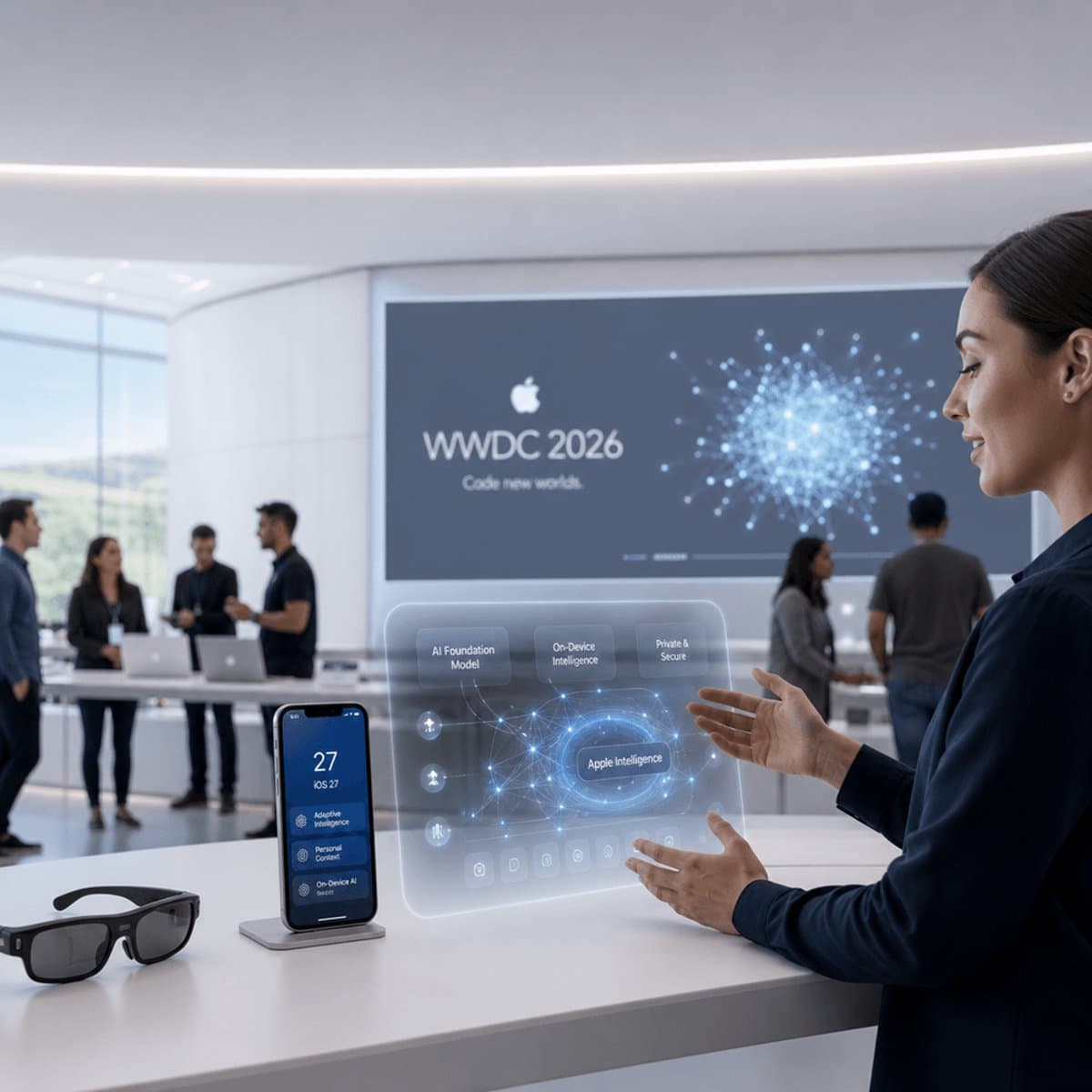
Apple opened its Worldwide Developers Conference with a question hanging over the company’s AI strategy: can Tim Cook turn a long-promised Siri overhaul into a product that works? The event, held online from June 8 through June 12 with a special in-person gathering at Apple Park in Cupertino, California, put Apple Intelligence back under the microscope after two years of delay and scrutiny.
The keynote was scheduled for June 8 at 10 a.m. Pacific, 1 p.m. Eastern, and Apple used the conference to frame the next phase of its software push. WWDC 2024 introduced Apple Intelligence as a personal AI system integrated across Apple’s platforms, and Apple also previewed a more capable Siri. That presentation set a high bar. Since then, the most ambitious Siri features have slipped, leaving WWDC 2026 as a checkpoint on whether Apple can deliver what it first described in 2024.
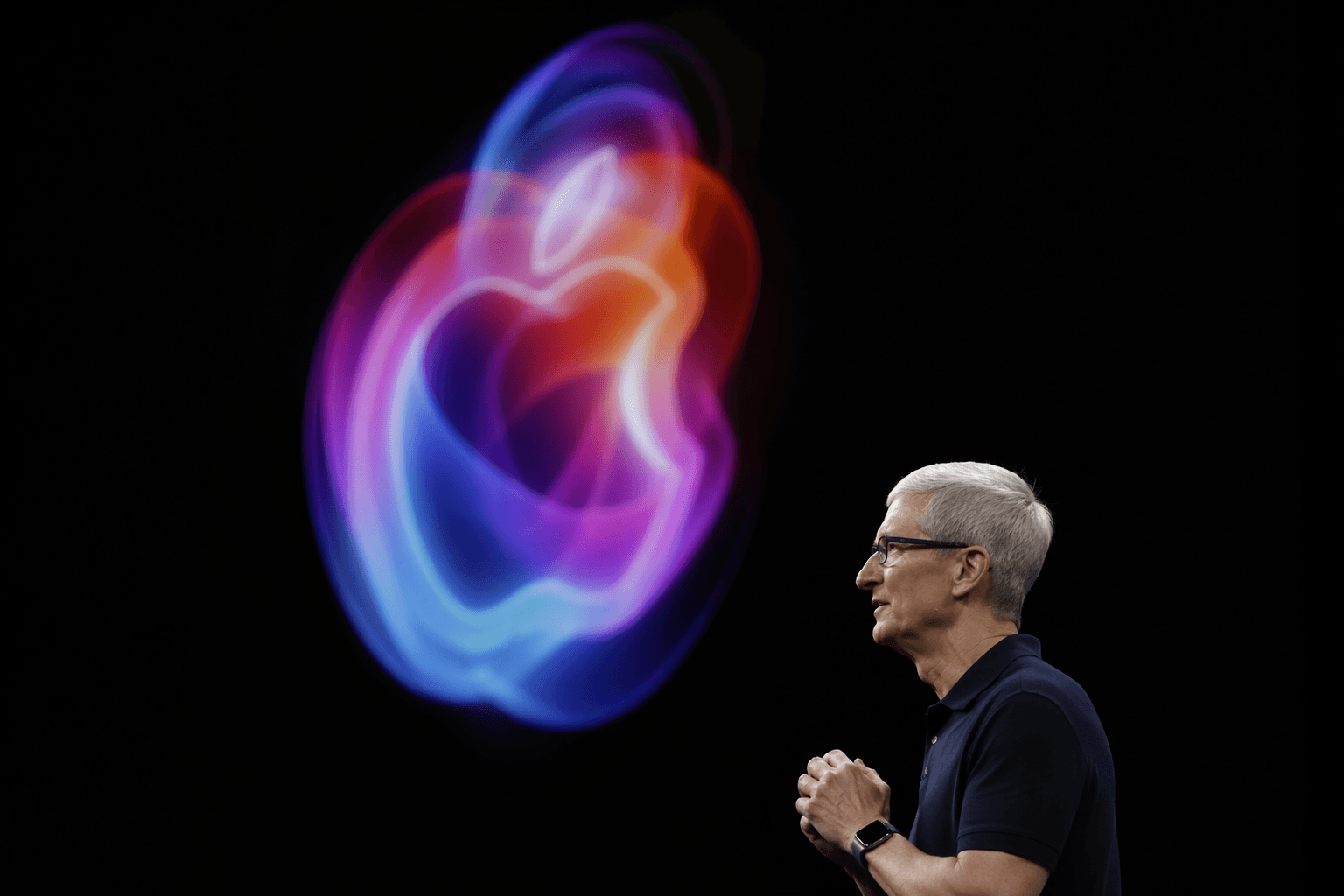
This year’s conference was expected to center on a broader Apple Intelligence update and a major Siri overhaul. Some coverage also pointed to deeper integration across iOS, macOS and iPadOS, along with new tools for developers. The company’s pitch matters because Apple has not reorganized itself around AI in the way several rivals have. Instead, it has taken a more measured route, aiming to fold AI into products that already command deep consumer trust rather than racing to flood the market with standalone tools.
That choice has given Apple a different public test than OpenAI, Google, Microsoft, Meta and Amazon, all of which have made AI a central corporate priority and, in some cases, tied it to major restructuring or layoffs. Apple’s slower pace has drawn criticism from investors and analysts who see generative AI as one of the defining technology shifts of the decade. At the same time, the company’s approach has kept focus on privacy, platform integration and usefulness, the areas Apple argues matter most to ordinary users.
For Cook, the stakes are now larger than a product cycle. Apple’s AI strategy has become a measure of his leadership and a factor in the company’s valuation. If Apple can show that Siri and Apple Intelligence are becoming practical, reliable and deeply integrated across its devices, it can argue that it was not late to AI so much as deliberate about how to enter it. If not, the delay will continue to look like hesitation at the very moment the industry is setting its course.
This article was produced by Prism’s automated news system from verified source data, official records, and press releases, then run through automated quality and moderation checks before publishing. The system is built and supervised by the people who set the standards it runs under. Read our full AI policy.
Know something we missed? Have a correction or additional information?
Submit a Tip

