Apple Intelligence will summarize HomeKit Secure Video footage in iOS 27
Apple is pushing HomeKit Secure Video from motion alerts to plain-English summaries, while keeping analysis on the home hub and footage in iCloud.
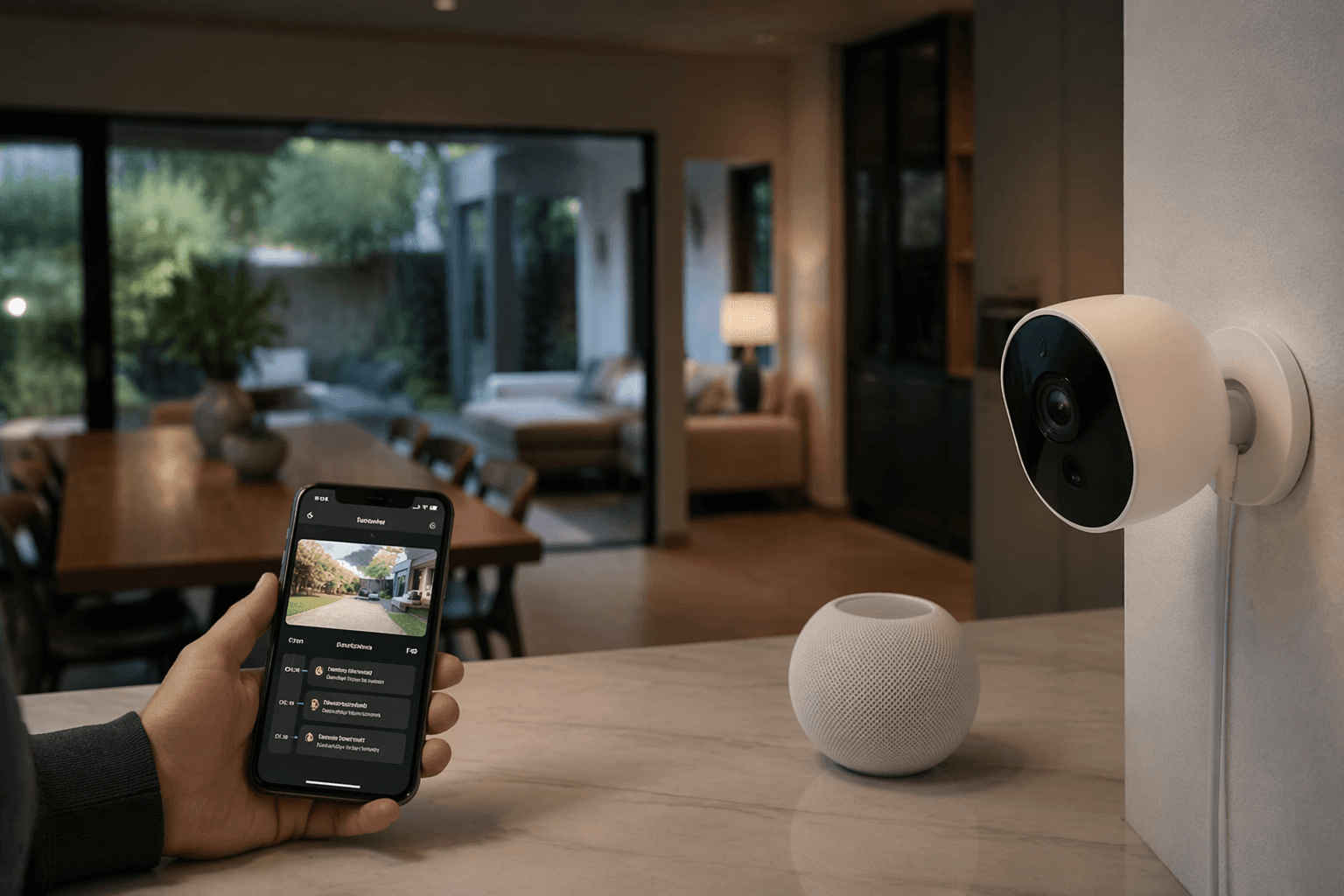
Apple is turning its home cameras into something closer to a domestic search engine. HomeKit Secure Video already stores footage in iCloud with end-to-end encryption, privately analyzes clips on the user’s home hub to detect people, pets or cars, does not count against iCloud storage, and keeps the last 10 days of activity available in the Home app on iPhone, iPad, Mac and Apple TV. Apple plans to add Apple Intelligence summaries on top of that, letting users search camera clips in ordinary language, a convenience that also makes home surveillance more legible, more searchable and more sensitive.
The move fits into Apple’s wider AI reset. Apple introduced Apple Intelligence on June 10, 2024, began rolling out the first features in October 2024, and expanded the system to more languages and regions in March 2025 and in later updates. At WWDC 2026, Apple said the next generation of Apple Intelligence uses a new architecture built on Apple Foundation Models and designed with privacy protections, positioning HomeKit Secure Video as one more place where Apple is pushing AI deeper into the operating system rather than leaving it as a separate app.
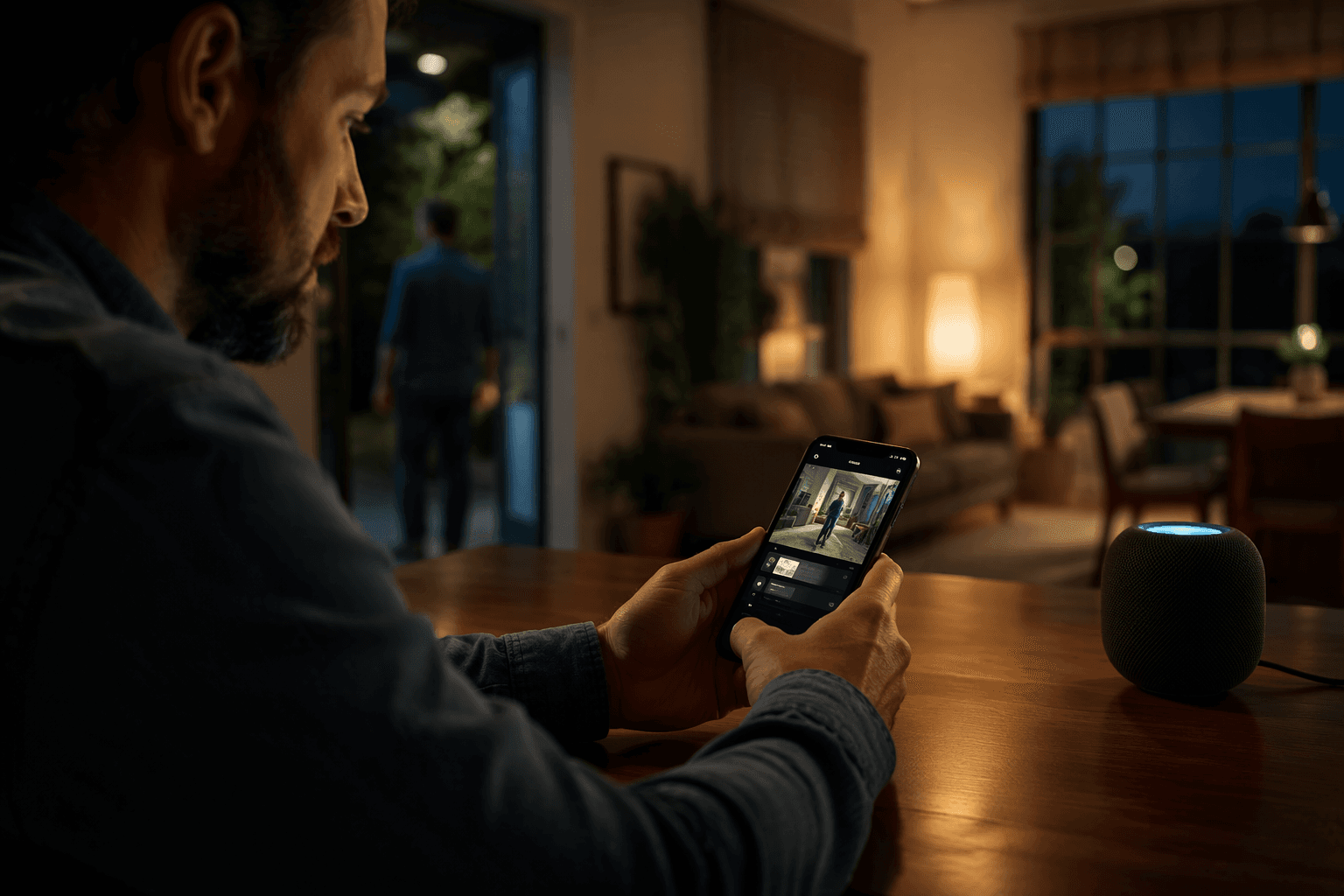
Apple’s pitch stands apart from Google’s, which leans more openly on alerts and searchable history. Google Home Premium offers searchable video history, event-based history, smart alerts and daily summaries, and its Nest cameras can use familiar face detection to recognize known people and notify users when someone unfamiliar appears. Google also offers Activity Zones so people can draw boundaries around the parts of a frame that matter most, while alerts land on phones and tablets when the camera detects important activity. That is a more descriptive, subscription-driven model, with AI helping people skim a flood of camera data instead of just recording it.
Amazon’s Ring goes further toward the surveillance model. Ring Protect plans unlock video recording and smart alerts, and Ring Multi says it can store video event history for up to 180 days, with person, vehicle and package alerts layered on top. Ring also sells cameras with motion zones and end-to-end encryption, but the company’s core value proposition is still cloud retention, subscription tiers and a high volume of alerts. Apple’s HomeKit approach is narrower and more privacy-forward by design, and that matters in a market where Apple already sells HomeKit cameras from Logitech, Eve and Aqara to people who have already bought into its smart-home ecosystem.
This article was produced by Prism’s automated news system from verified source data, official records, and press releases, then run through automated quality and moderation checks before publishing. The system is built and supervised by the people who set the standards it runs under. Read our full AI policy.
Know something we missed? Have a correction or additional information?
Submit a Tip