Apple unveils new Siri and Apple Intelligence at WWDC26
Apple put a privacy-built Siri AI at the center of WWDC26, while inviting developers to inspect the architecture behind it.
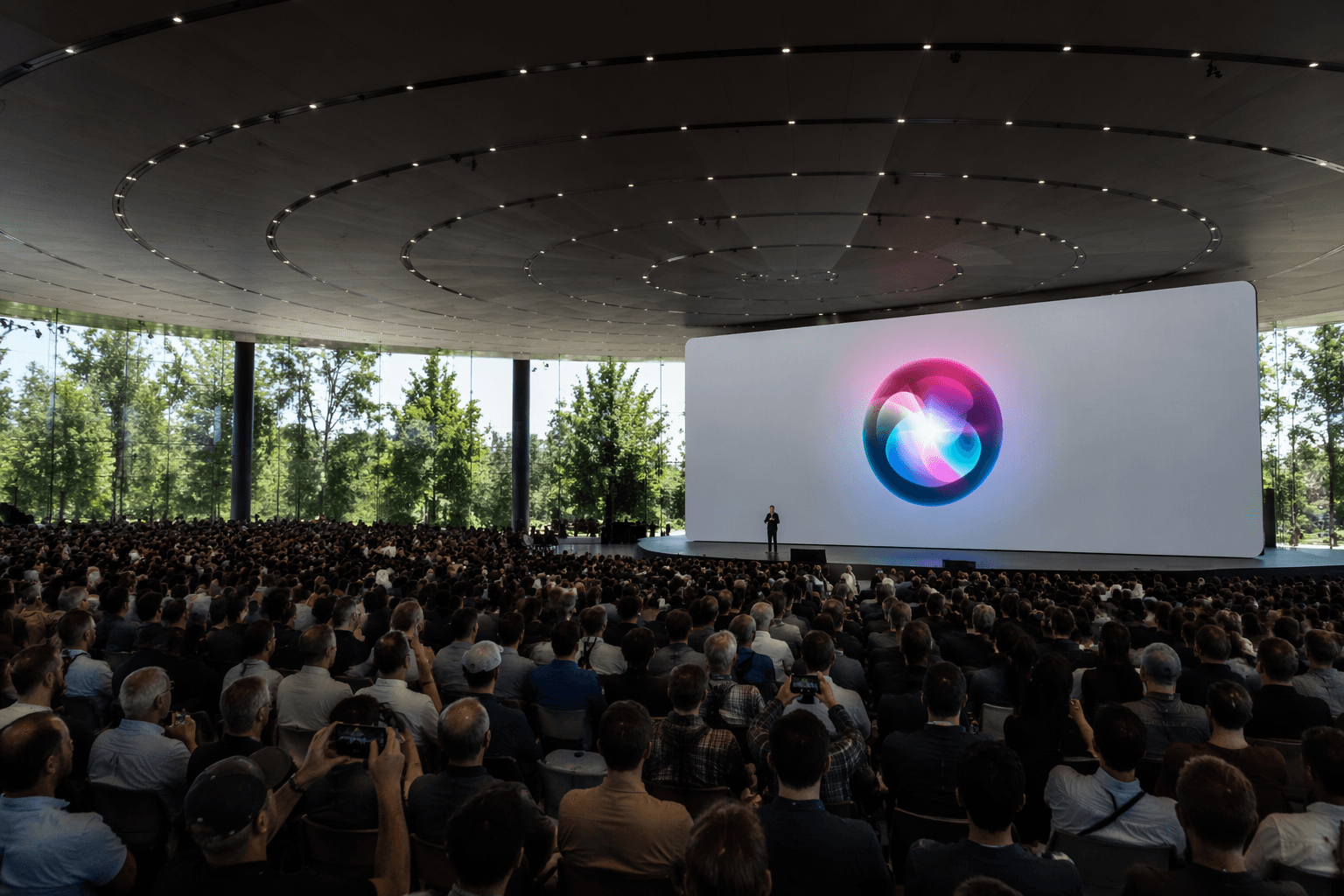
Apple used WWDC26 to push beyond marketing claims and into the mechanics of its AI strategy, previewing the next generation of Apple Intelligence and an entirely new Siri AI built on a bold new architecture designed to protect user privacy. The company said the system was available for developer testing starting June 8 and would arrive as a beta for users later in 2026, putting speed, privacy, and developer access at the center of the event.
The new Siri AI is meant to work across iPhone, iPad, Mac, Apple Watch, and Apple Vision Pro. Apple said it adds personal context understanding, onscreen awareness, broader world knowledge, and more systemwide app actions, with examples that include searching messages, emails, and photos, getting answers from the web, and using Siri AI inside the Camera app and Messages. Craig Federighi, Apple’s senior vice president of Software Engineering, and his team are set for an on-the-record technical deep dive into the architecture behind those features, a sign that Apple knows the real test is whether the system can prove itself to developers as well as consumers.
WWDC26 itself was structured to keep that pressure visible. Apple said the conference ran June 8-12, with the keynote scheduled for June 8 at 10 a.m. PDT and the Platforms State of the Union at 1 p.m. PDT. More than 1,000 developers, designers, and students were invited to Apple Park, and the week included more than 100 new video sessions, Group Labs, and developer-forum Q&As. Apple’s pitch was not just a product rollout but a full developer-facing explanation of how the company says Apple Intelligence now works.
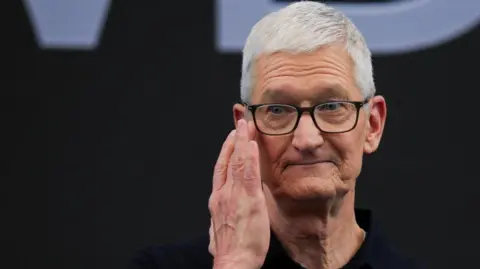
The stakes are high because Apple is trying to answer a question that has lingered since Apple Intelligence was first announced: whether a privacy-first, device-centered approach can compete at scale with the more aggressive AI push from Microsoft and Google. Reuters reported that analysts saw WWDC as a test of Apple’s standing in the AI race, while also noting that Apple has leaned on partnerships, including Google’s Gemini models, as it has moved more cautiously than rivals. CNBC framed the conference as Tim Cook’s final WWDC as CEO, before John Ternus takes over in September 2026, adding another layer of scrutiny to Apple’s AI record.

The company has been building toward this moment for years. At WWDC24, Craig Federighi and John Giannandrea discussed AI architecture, models, Private Cloud Compute, intelligent assistants, and OpenAI integration. Federighi said then that Private Cloud Compute extended iPhone security to the cloud, and Apple’s 2026 presentation suggests it is now trying to turn that promise into a broader platform story. The real measure of WWDC26 will be whether Apple can show that its privacy-first design is not just a defense, but a competitive advantage.
This article was produced by Prism’s automated news system from verified source data, official records, and press releases, then run through automated quality and moderation checks before publishing. The system is built and supervised by the people who set the standards it runs under. Read our full AI policy.
Know something we missed? Have a correction or additional information?
Submit a Tip