Aramco halts Ras Tanura operations after drone strike, crude jumps
Saudi Aramco stopped some units and paused export loadings at Ras Tanura after two drones were intercepted, triggering a limited blaze and a sharp rise in Brent prices.

Saudi Aramco halted operations at some units of the Ras Tanura refinery and temporarily suspended loadings at its adjacent export terminal after two drones were intercepted at the Gulf coast complex, officials said. Debris from the interceptions sparked a limited fire that was quickly put out, and there were no reported injuries, a defence ministry spokesperson told Al Arabiya: "there were no injuries."
Ras Tanura, the kingdom’s largest refinery complex with commonly cited refining capacity of about 550,000 barrels per day, is closely linked to one of Saudi Arabia’s primary crude export terminals and handles a significant share of shipments bound for Europe and Asia. State news agency SPA said the fire was "immediately contained" and that some refinery units were shut as a precaution, adding that domestic supplies of fuel and petroleum products were unaffected.
The interruption sent oil markets sharply higher. FactSet data showed Brent trading at $79.41 a barrel on Monday morning, up about 9% from $72.87 late last week. Other market snapshots briefly pushed Brent above $82 a barrel, a near-10% jump in some windows, as traders scrambled to price in new supply risk from the region.
Authorities said the interceptions were carried out at the site and that debris from the intercepted drones caused the limited blaze. Social media footage circulated online showed smoke rising from the facility, though officials emphasized the fire was contained and critical export operations were being assessed. Aramco’s media office did not immediately respond to requests for comment.
The strike compounds recent operational disruptions that have raised questions about the resilience of Gulf energy infrastructure. Officials and market analysts pointed to contemporaneous pauses in output and loadings across the region that have tightened already fragile supply lines. Last week, Aramco faced an operational disruption at the Juaymah liquefied petroleum gas facility that affected exports, underscoring the knock-on risks when a single hub or pipeline is affected.
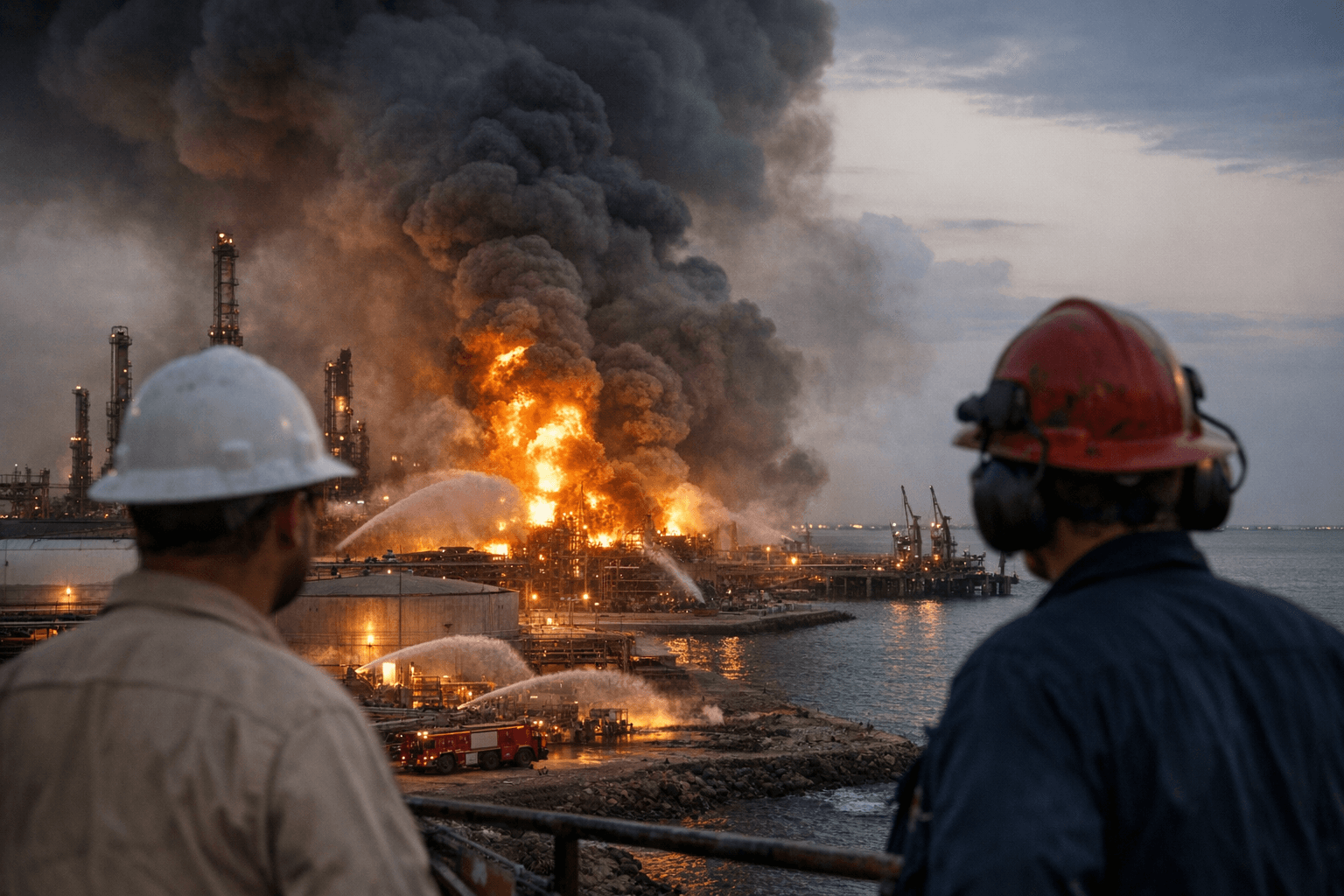
Beyond market gyrations, the incident carries immediate public health and community consequences. Even a limited refinery fire can release soot and volatile compounds that degrade local air quality, posing short-term risks to nearby residents, outdoor workers and emergency responders. Although officials reported no injuries, doctors and public health officials typically monitor emergency-room visits for respiratory distress after such events, and local clinics and hospitals can be strained if fuel shortages interrupt ambulance services or backup generators. SPA’s assurance that domestic supplies were unaffected will require near-term verification by energy authorities and health services to ensure uninterrupted access to fuel for critical care and public transit.
The attack also heightens policy questions about protecting critical energy infrastructure and the equity of emergency planning. Low-income communities near industrial hubs often shoulder disproportionate pollution burdens and have fewer resources to respond to service interruptions. Planners and public health officials will face pressure to disclose air monitoring data, contingency fuel reserves for hospitals and targeted aid for vulnerable neighborhoods.
Saudi officials said they were assessing damage and the status of delayed shipments. Market watchers cautioned that accurate timelines for restarting full operations and resuming loadings will determine whether the disruption becomes a sustained supply shock or remains a brief market scare.
This article was produced by Prism’s automated news system from verified source data, official records, and press releases, then run through automated quality and moderation checks before publishing. The system is built and supervised by the people who set the standards it runs under. Read our full AI policy.
Did this article answer your question?

