Archaeologists Locate Native Villages John Smith Described Along Rappahannock
Archaeologists have identified the sites of centuries old Native American villages at Fones Cliffs along Virginia’s Rappahannock River, uncovering roughly 11,000 artifacts including items that date to the 1500s. The findings validate long held Rappahannock oral histories, strengthen the tribe’s bid to reclaim ancestral land, and raise questions about preservation, repatriation, and local stewardship.

Archaeologists revealed on November 27, 2025 that excavations at Fones Cliffs in Richmond County, Virginia, have uncovered the long sought physical remains of Native American settlements described by early English explorer John Smith. The team reported finding roughly 11,000 artifacts, including tiny beads, pottery shards with detailed markings, and fragments of stone tools and pipes, some of which date to the 1500s.
The discoveries followed a yearlong effort that combined archival research with field survey. Researchers from St. Mary’s College of Maryland cross referenced historic maps, colonial documents and land deeds with oral histories provided by members of the Rappahannock Tribe. After months of survey work begun last fall that initially produced no conclusive evidence linked to Smith’s accounts, digging on land that the tribe has been working to reclaim turned up the dense concentrations of material this summer.
Archaeological context and the sheer quantity of artifacts give the finds particular weight. A sample of materials dating to the mid to late 16th century aligns chronologically with the period of early English contact, while pottery styles and lithic debris indicate sustained local occupation rather than a brief encampment. That combination of temporal and material evidence is significant for historians and for the Rappahannock community, which has long maintained oral histories of occupation at the bluffs.
Federal recognition of the Rappahannock Tribe in 2018 provided the political framework that has allowed the group to pursue land reclamation and cultural resource protection. The newly documented sites strengthen the tribe’s ability to press for stewardship and legal protections, and could be material in negotiations over land transfer, conservation easements, and cultural resource management. The preservation and potential repatriation of artifacts also implicate federal statutes and regulations, including the Native American Graves Protection and Repatriation Act and consultation obligations under the National Historic Preservation Act.
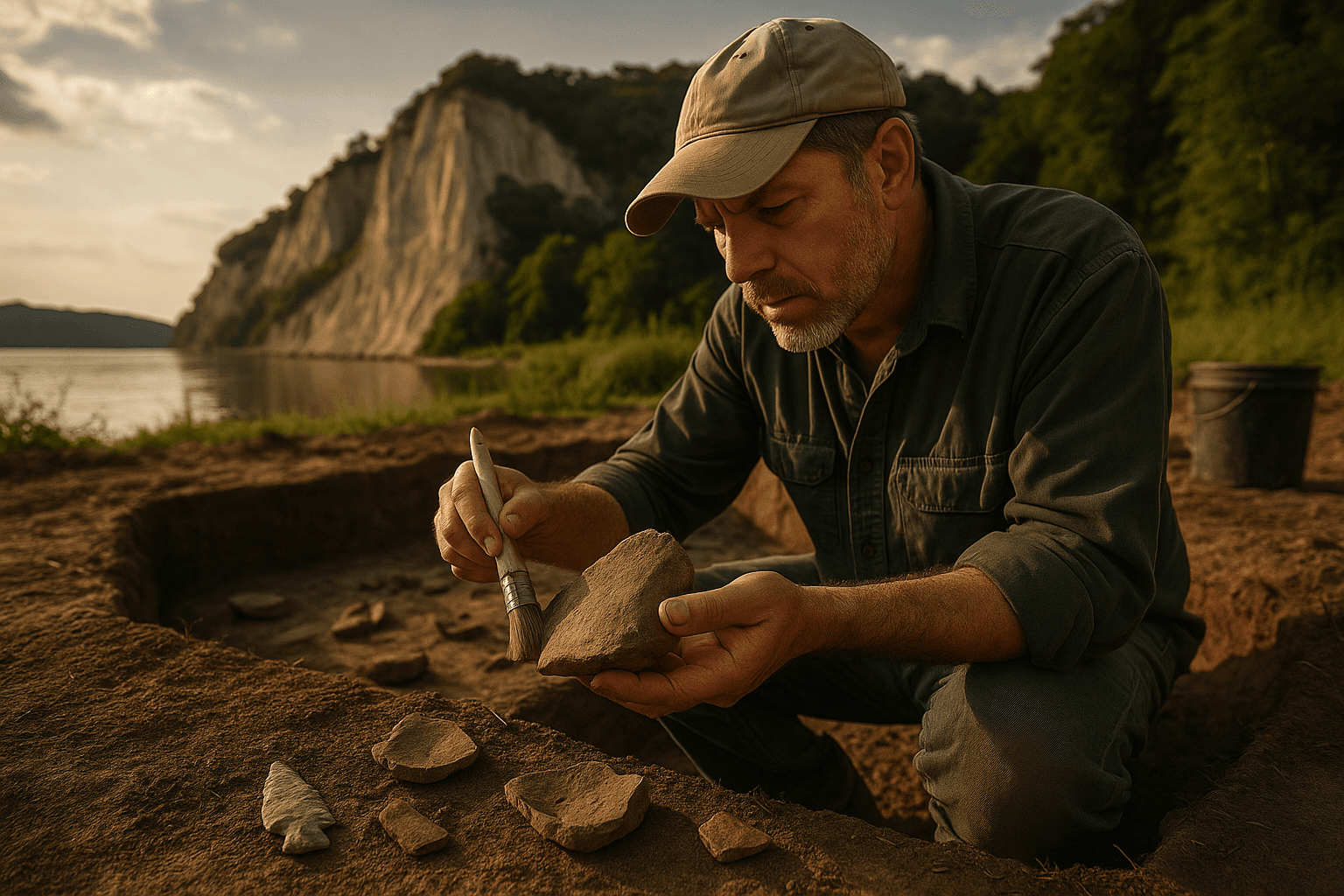
Beyond legal and cultural implications, the discovery speaks to broader trends in archaeology and Indigenous rights. Increasingly, scholars are triangulating documentary records with tribal oral traditions and scientific fieldwork to resolve long standing questions about pre contact and early contact landscapes. That interdisciplinary approach has helped other tribes win returned lands and protections, and experts say the Fones Cliffs material is likely to become a touchstone in regional histories of the Chesapeake.
Practical next steps will include systematic cataloguing, radiocarbon and typological analysis of the materials, and coordination between the college team, state archaeologists and the Rappahannock Tribe on conservation and access. The tribe’s ongoing land reclamation work means the artifacts may play a direct role in shaping how the bluffs are governed and preserved going forward.
The findings at Fones Cliffs not only offer tangible confirmation of narratives recorded in early colonial documents, they also amplify a modern agenda for recognition and stewardship of Indigenous heritage along the Rappahannock River.
This article was produced by Prism’s automated news system from verified source data, official records, and press releases, then run through automated quality and moderation checks before publishing. The system is built and supervised by the people who set the standards it runs under. Read our full AI policy.
Did this article answer your question?

