Arizona Classroom Spending Share Drops to 52.1%, Impacting La Paz Schools
Arizona districts devoted 52.1% of spending to instruction in FY2025, the lowest in about 20 years — Arizona per-student spending was $14,629 versus a $19,132 national average.
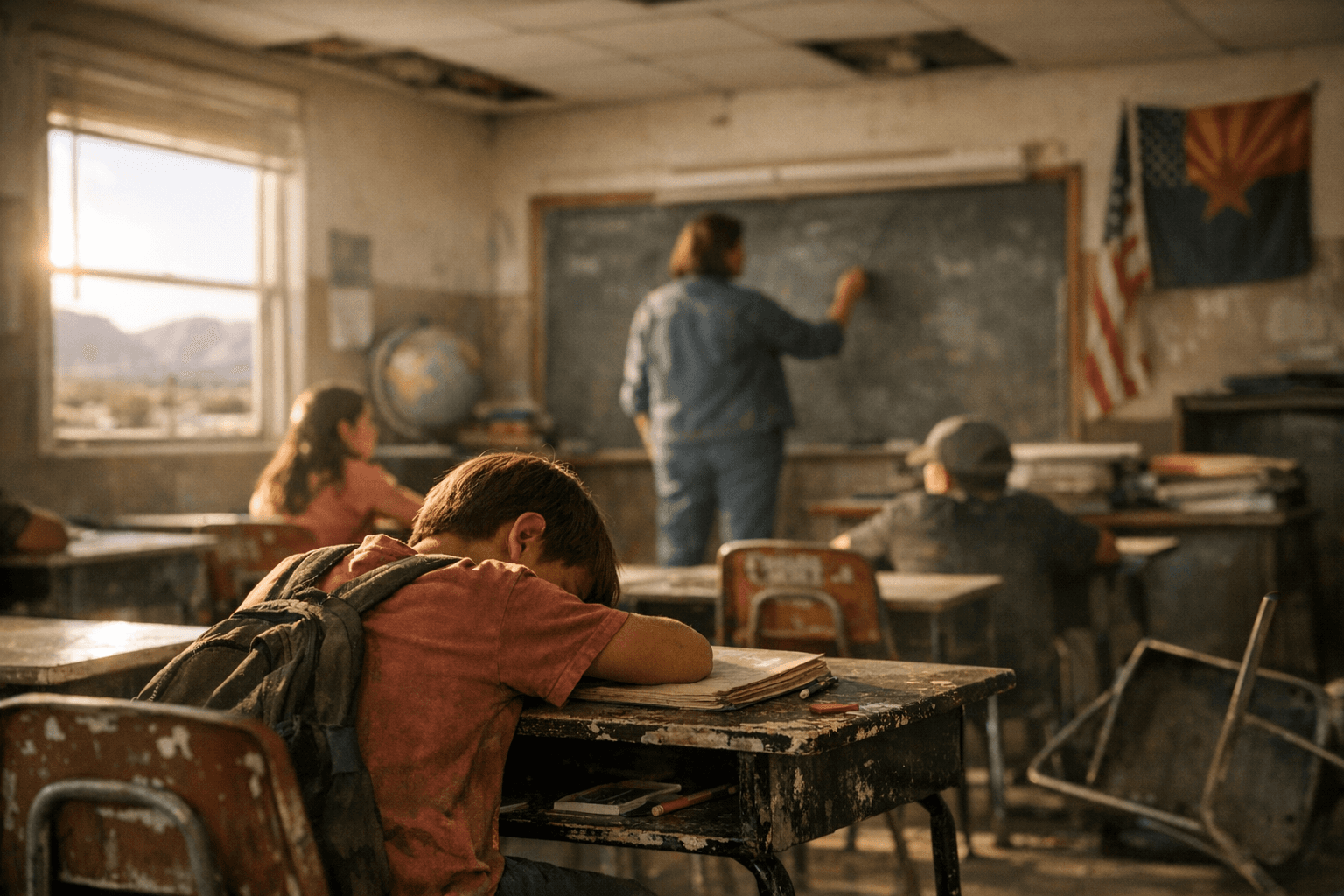
Arizona school districts allocated 52.1 cents of every dollar to classroom instruction in fiscal year 2025, down from 52.6 cents the prior year and the lowest instructional spending percentage the Arizona Auditor General has tracked in roughly two decades. The decline tightens pressure on local budgets, and the Auditor General identified a shift of dollars away from instruction toward student support services and plant operations.
The Auditor General’s report classifies instruction to include salaries and benefits for teachers, aides and substitutes, plus general instruction supplies and aids, field trips and athletics. Statewide per-student spending in FY2025 was $14,629, compared with a national average of $19,132 cited in the analysis. Year-over-year, actual instructional spending rose by about $30 per student while plant services spending increased by about $59 per student, and total district spending statewide was roughly $300 million higher than the previous year largely because of non-operational costs such as buildings and equipment. As the report put it, "The multi-year decline in the State-wide ISP is a result of most districts reducing the proportion of monies spent on instruction and directing a higher proportion of their total spending toward other priorities-primarily student support services and plant operations."
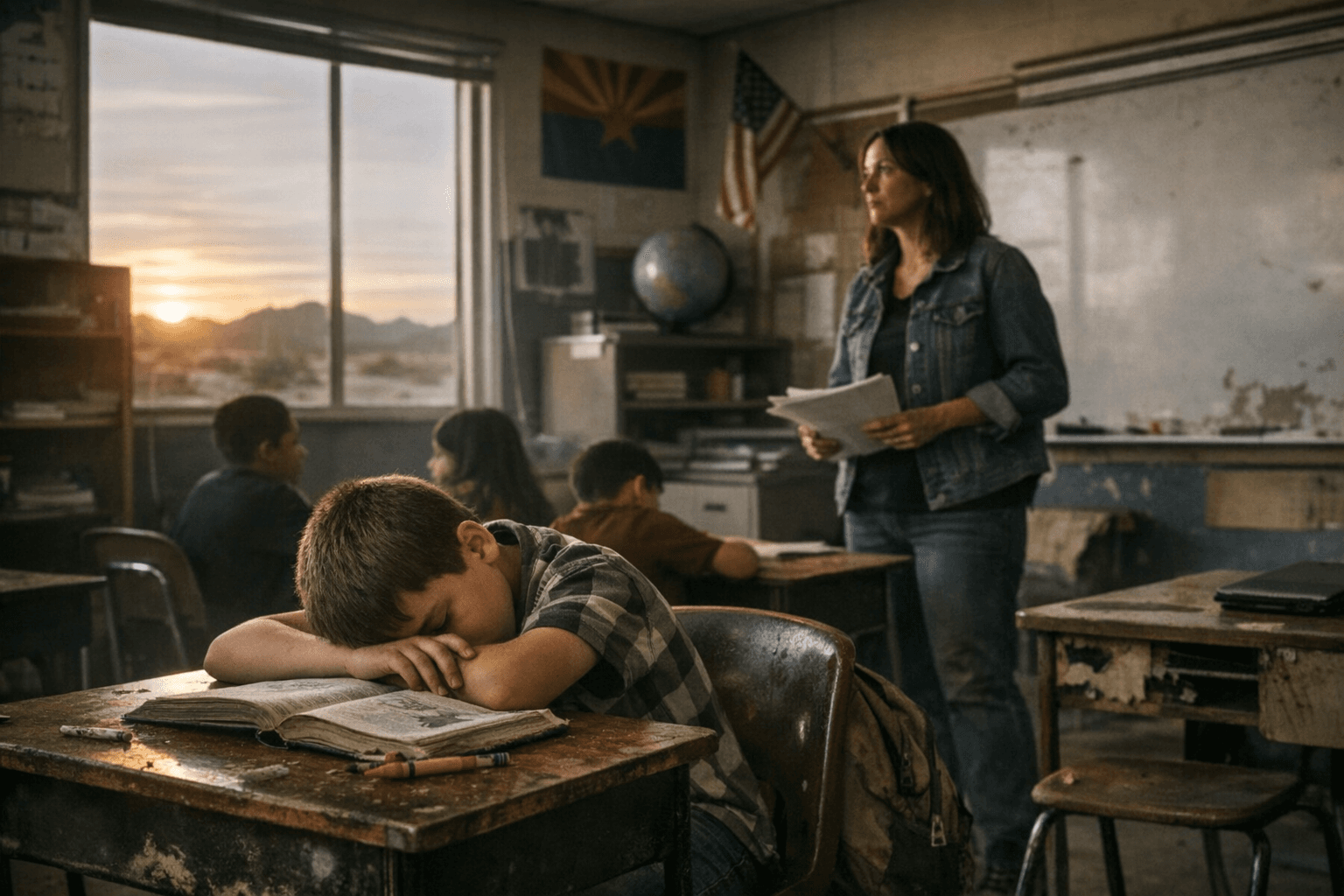
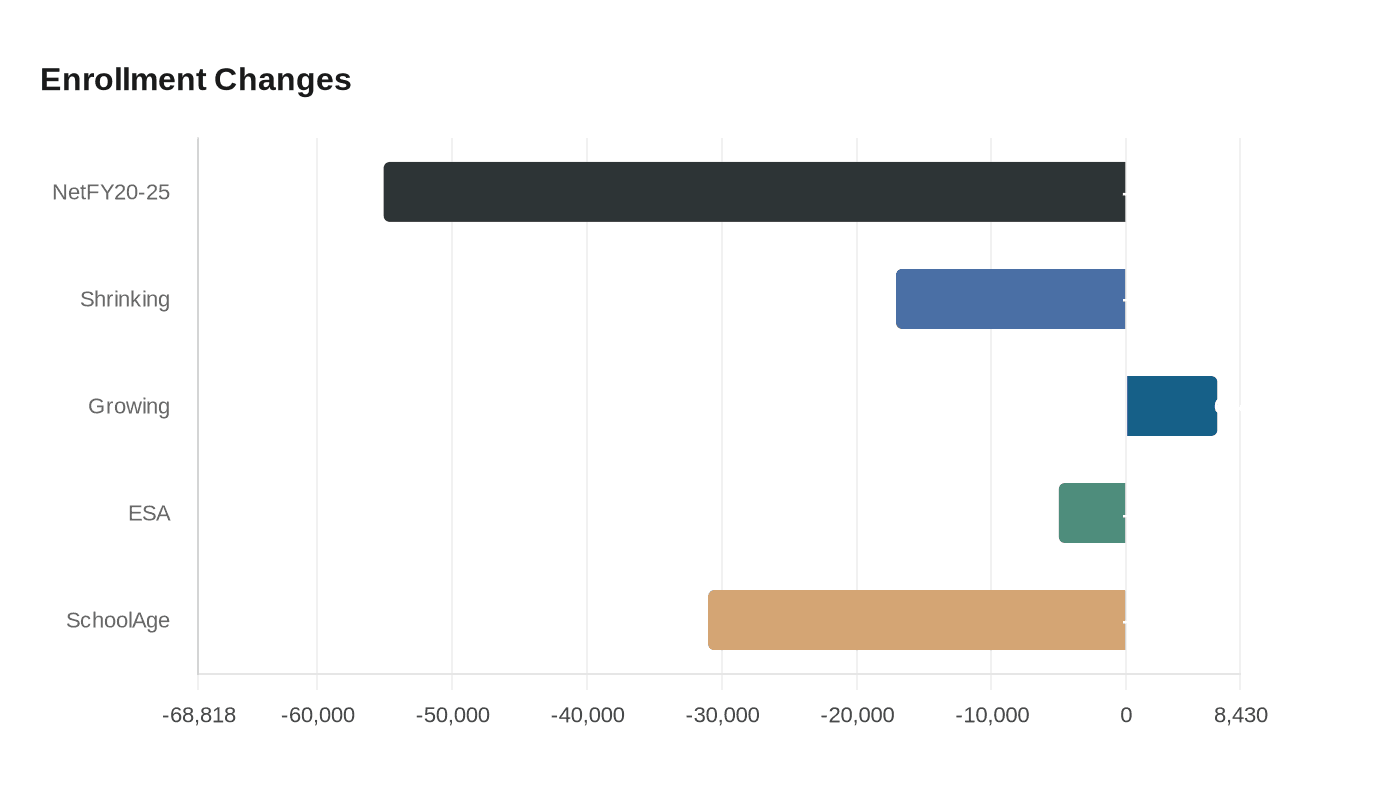
Enrollment trends complicate the funding picture. Sixty-six percent of Arizona districts lost enrollment between FY2024 and FY2025; shrinking districts reported a net loss of 17,070 students while growing districts gained 6,744. Since FY2020 Arizona districts have shed a net 55,054 students, approximately 5,000 students left last year for the Empowerment Scholarship Account program, and the number of school-aged children in the state has dropped by about 31,000 in recent years. Chuck Essigs, lobbyist for the Arizona Association of School Business Officials, noted the pressure of fixed costs, saying, "Things like food service. It doesn't cost less to feed kids in Arizona." He added, "Ditto transportation costs," and told KJZZ the numbers "are not surprising" and "represent the fiscal realities of not just fixed costs but also a declining enrollment, and it’s complicated by the fact that Arizona spends far less than the national average on education."
State political response is emerging: Republican lawmakers are pursuing a November ballot measure that would require districts to reach a 60 percent instructional spending threshold, directing districts to increase classroom spending by at least a nickel each year until the target is met and threatening loss of certain state funds for districts that fail to comply. The ballot language and formal sponsors have not been finalized publicly, and details on enforcement and exceptions remain to be released.
For La Paz County, none of the aggregated coverage included district-level ISP or per-student breakdowns, so local implications depend on district budgets and enrollment trends. Statewide reporting shows districts have closed campuses and eliminated positions in response to enrollment and budget pressures; one Phoenix district that lost roughly 31 percent of enrollment over five years closed a campus. The Auditor General also noted that districts could have saved about $9 million from 2021 to 2025 by increasing efficiency, a finding that will influence local budget discussions in county schools facing higher plant and support costs.
La Paz County school leaders now face choices about staffing, facilities and capital plans as statewide instructional share falls and policymakers debate a voter-enforced 60 percent target.
Know something we missed? Have a correction or additional information?
Submit a Tip